









Starting a successful retail store business requires the right products, a suitable location, reliable suppliers, and careful financial planning. I recommend researching customer demand, preparing a realistic budget, managing inventory efficiently, and building a strong local presence before expanding. A profitable retail shop depends not only on attracting customers but also on controlling expenses and encouraging repeat purchases.
Whether you want to open a grocery store, clothing boutique, electronics shop, stationery store, or neighbourhood convenience shop, I believe a structured approach can reduce unnecessary risks. Establishing an online presence through platforms such as TokoGen can also support your efforts to make your store easier for local customers to discover.
In this guide, I explain how to start a retail business, manage daily operations, calculate selling prices, attract customers, and grow sustainably.
What Is a Retail Store Business?
A retail store business sells products directly to consumers for personal or household use. Retailers typically purchase goods from manufacturers, wholesalers, or distributors and sell them to customers through physical stores, online channels, or both.
What Are the Different Types of Retail Stores?
| Retail Store Type | Common Products |
| Grocery store | Food, beverages and daily essentials |
| Clothing boutique | Apparel, footwear and fashion accessories |
| Electronics shop | Mobile phones, computers and accessories |
| Stationery store | Books, school supplies and office essentials |
| Beauty store | Cosmetics, skincare and personal care products |
| Home essentials store | Kitchenware, cleaning supplies and household goods |
I recommend choosing a retail category that matches local demand, available investment, and your ability to understand the products.
Quick Takeaway: A retail store business connects customers with products they need. I suggest selecting a product category based on customer demand and business feasibility rather than popularity alone.
How Can I Start a Retail Store Business Step by Step?
Starting a retail shop becomes easier when I break the process into manageable steps.
What Are the Essential Steps to Open a Retail Store?
- Identify your target customers and product category.
- Research competing businesses and local purchasing habits.
- Prepare a retail business plan.
- Estimate startup costs and arrange funding.
- Complete necessary registrations and permits.
- Select an accessible store location.
- Find reliable suppliers and purchase initial inventory.
- Set up shelving, billing, payments, and security.
- Establish store policies and employee responsibilities.
- Promote the shop and launch operations.
Why Should I Prepare a Retail Business Plan?
A retail business plan explains what products you will sell, who will buy them, how much you need to invest, and how the business will generate revenue.
For example, if I were planning a stationery shop near a school, I would assess student demand, supplier prices, expected seasonal sales, nearby competitors, and monthly operating expenses before renting a property.
Quick Takeaway: Starting a retail store requires organized planning, market research, supplier selection, and operational preparation. I recommend preparing a written business plan before committing significant capital.
How Do I Choose the Right Retail Business Idea?
The right retail business idea depends on customer needs, purchasing frequency, competition, and potential profitability.
I recommend researching the neighbourhood to identify products customers purchase regularly and categories where existing shops fail to meet their expectations.
Which Retail Business Ideas Should I Consider?
Grocery and daily essentials: Suitable for residential areas where people regularly purchase household products.
Fashion and accessories: Appropriate for locations with customers interested in clothing, footwear, and seasonal fashion.
Mobile phones and electronics: Require product knowledge, reliable sourcing, and support for warranties or returns.
Books and stationery: Can serve students, schools, offices, and educational institutions.
Beauty and personal care: May attract regular customers when product quality and availability remain consistent.
How Can I Validate Product Demand?
Before choosing a category, I suggest interviewing potential customers, observing competing stores, and checking which products frequently sell out.
A small pilot through a temporary stall or permitted market event can also help test customer response.
Quick Takeaway: The best retail business idea solves a genuine customer need while offering manageable costs and reliable supply. I recommend validating demand before purchasing large quantities of inventory.
How Much Investment Do I Need to Open a Retail Store?
Retail startup costs vary based on shop size, city, product category, fixtures, and initial inventory.
Instead of relying on a general market estimate, I recommend preparing a budget using actual supplier quotations and property costs.
What Expenses Should I Include?
| Expense | What It Covers |
| Store deposit and rent | Property advance and monthly rent |
| Shop interiors | Shelves, counters, signage and lighting |
| Initial inventory | Products purchased for resale |
| Equipment | Billing devices, scanners and security equipment |
| Licenses and registration | Applicable legal and professional expenses |
| Staffing | Employee salaries and training |
| Marketing | Store launch promotions and advertising |
| Working capital | Money reserved for daily operations |
How Can I Prepare an Example Startup Budget?
Suppose I plan a small neighbourhood retail shop with the following illustrative expenses:
- Store deposit: ₹60,000
- Shelving and fixtures: ₹50,000
- Initial inventory: ₹1,50,000
- Billing and equipment: ₹20,000
- Launch marketing: ₹10,000
- Initial working-capital reserve: ₹60,000
Total illustrative investment: ₹3,50,000.
This is a hypothetical budget, not a verified average startup cost. Actual costs may be substantially higher or lower.
I recommend collecting at least three quotations for major purchases and keeping extra funds available for unexpected expenses.
Quick Takeaway: A retail business budget should include setup costs, inventory, and ongoing working capital. I suggest calculating expected monthly expenses before deciding how much to invest.
What Registrations and Licenses Does a Retail Store Need?
Retail stores must comply with applicable business registration, taxation, employment, and local authority requirements.
In India, the exact requirements depend on the state, business structure, products sold, turnover, and sales channels.
Which Registrations Should I Check?
Shop and Establishment registration: Check the applicable state rules for retail establishments.
GST registration: Determine whether registration is required based on current GST law, turnover, state, and business activities. Some businesses must register regardless of the usual turnover exemption.
Local trade permissions: Check municipal or local authority requirements for the premises.
Udyam registration: Eligible micro, small, and medium enterprises can explore the official Udyam Registration portal. Registration is free through the government portal.
Product-specific licenses: Food, medicines, and certain regulated products may require additional permissions.
I recommend reviewing the official GST registration guidance and consulting a qualified professional before opening.
Quick Takeaway: Retail licensing requirements vary according to business activities and location. I recommend confirming the applicable registrations before selling products or signing long-term agreements.
How Can I Choose the Best Retail Store Location?
A suitable retail location makes it easier for target customers to visit the shop and purchase products.
I recommend evaluating customer activity, access, rent, competition, and available space.
What Should I Consider Before Renting a Shop?
Customer footfall: Observe how frequently potential customers pass the property.
Accessibility: Check parking, pedestrian access, and nearby transportation.
Competition: Identify existing retailers and evaluate whether the area can support another shop.
Rental affordability: Compare the rent against projected sales and contribution margins.
Storage requirements: Ensure sufficient space for inventory and safe product handling.
For example, a stationery store near a school may benefit from regular student demand, while a grocery shop might perform well in a densely populated residential neighbourhood.
I also recommend visiting potential locations during weekdays and weekends before making a decision.
Quick Takeaway: A successful retail location balances customer convenience, product demand, and affordable operating expenses. I suggest researching several locations rather than selecting a shop based only on appearance.
How Do I Find Reliable Wholesale Suppliers?
Reliable suppliers help maintain product availability, consistent quality, and manageable purchasing costs.
I recommend comparing multiple wholesalers before establishing long-term purchasing relationships.
What Should I Check When Choosing Suppliers?
- Product quality and authenticity.
- Wholesale pricing and available discounts.
- Minimum order quantities.
- Delivery time and reliability.
- Replacement and return policies.
- Payment terms and invoice documentation.
- Product warranties where applicable.
For example, a mobile accessories retailer should confirm product compatibility, warranty coverage, and replacement procedures before ordering substantial quantities.
Why Should I Avoid Depending on One Supplier?
Using only one supplier can create stock shortages when deliveries are delayed or products become unavailable.
I recommend maintaining alternative suppliers for essential, frequently purchased products.
Quick Takeaway: Good supplier relationships help retailers maintain quality, stock availability, and purchasing efficiency. I suggest evaluating suppliers on reliability and total cost, not wholesale price alone.
How Can I Manage Retail Inventory and Daily Operations?
Effective retail store management requires accurate stock records, organized product displays, reliable billing, and consistent customer service.
I recommend establishing simple daily procedures that employees can follow.
How Can I Improve Inventory Management?
Track stock movement: Record purchases, sales, returns, and damaged goods.
Set reorder levels: Identify the minimum stock quantity needed before placing another order.
Use FIFO where appropriate: Sell older suitable inventory before newer stock, particularly for products with expiration dates, while following product-specific storage rules.
Review slow-moving products: Reduce unnecessary purchases when items remain unsold.
Conduct stock checks: Compare physical inventory with billing records.
How Can a POS System Help?
A point-of-sale system can record transactions, track product sales, and assist with inventory monitoring.
For example, a grocery store owner can use sales reports to identify frequently purchased products and plan restocking.
I recommend starting with a system that supports your actual store requirements rather than purchasing unnecessary features.
Quick Takeaway: Efficient retail operations depend on accurate inventory, reliable payments, clear procedures, and staff accountability. I suggest reviewing stock and sales records regularly to prevent avoidable losses.
How Should I Price Retail Products to Make a Profit?
Retail pricing should account for the purchase cost, additional product expenses, market demand, competitive prices, and the profit required to cover operating costs.
I recommend calculating gross margin rather than simply adding a random percentage to product costs.
How Can I Calculate Retail Gross Margin?
Gross margin percentage = (Selling price − Cost of goods sold) ÷ Selling price × 100
For example, if a product costs ₹600 and sells for ₹1,000:
Gross margin = (₹1,000 − ₹600) ÷ ₹1,000 × 100 = 40%.
This means ₹400 remains before paying other applicable expenses such as rent, staff wages, and utilities.
How Can I Calculate Break-Even Sales?
Suppose a store has monthly fixed costs of ₹80,000 and a contribution margin of 40%.
Break-even monthly revenue = ₹80,000 ÷ 0.40 = ₹2,00,000.
This simplified example assumes the contribution margin includes applicable variable costs and that the sales mix remains consistent.
I recommend reviewing discounts carefully because lower prices can reduce the amount available to cover expenses.
Quick Takeaway: Profitable retail pricing requires an understanding of product costs, contribution margins, and operating expenses. I suggest calculating break-even revenue before setting sales targets.
How Can I Attract Customers and Increase Retail Sales?
Retail business growth depends on customer discovery, useful product selection, dependable service, and repeat purchases.
I recommend combining neighbourhood marketing with a clear digital presence.
1. Create a Professional Business Profile
Keep your business name, address, contact number, opening hours, and product information accurate.
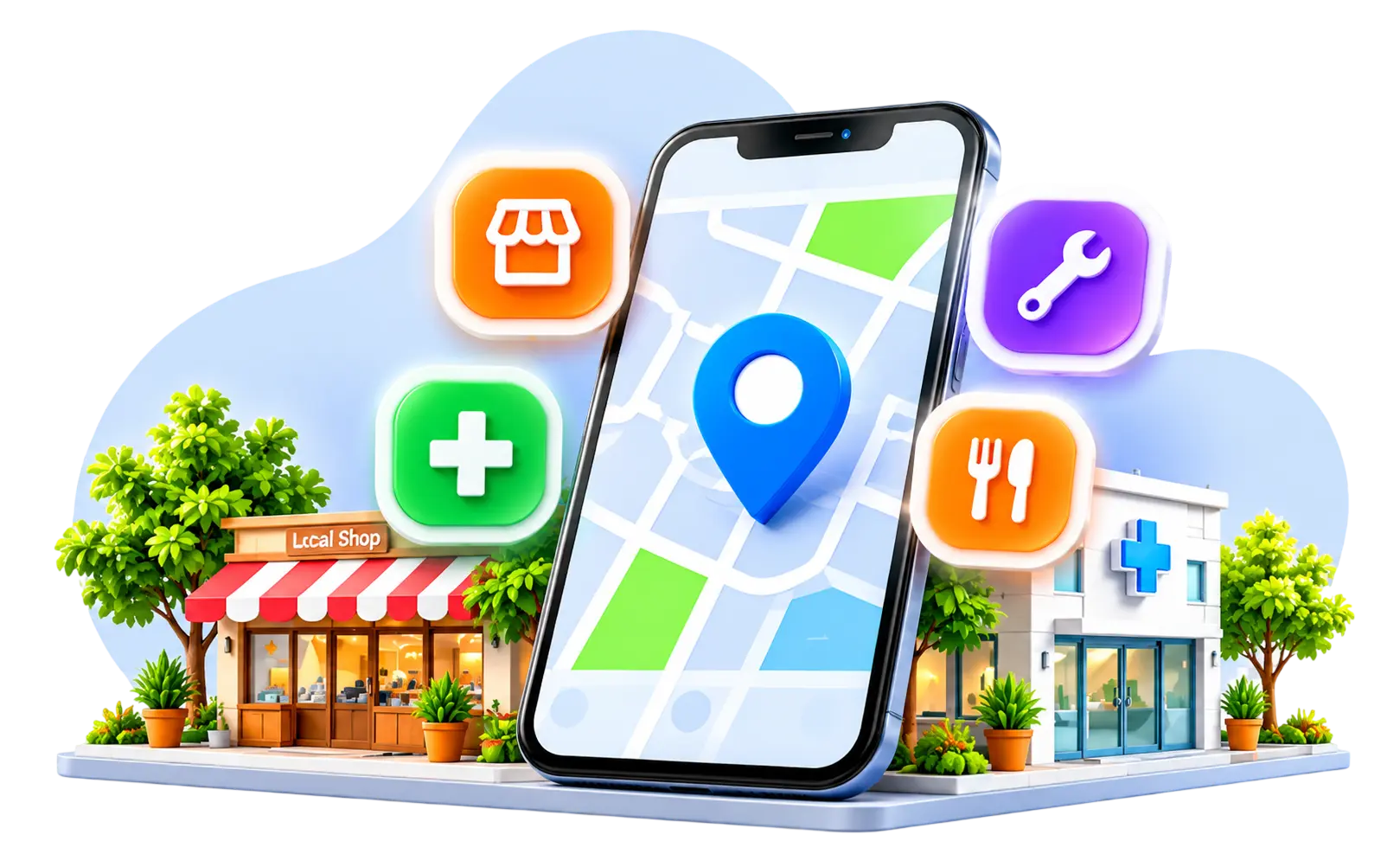
Resources such as TokoGen for Business can help retailers explore how to present their shops and business details to neighbourhood customers.
2. Improve Local Search Visibility
A complete Google Business Profile can help people find your shop on Google Search and Maps.
I recommend keeping business hours accurate and uploading genuine store and product photographs.
3. Promote Products Through Social Media
Share new arrivals, useful product demonstrations, seasonal collections, and special offers.
For example, a clothing shop could publish short videos featuring outfit combinations and available sizes.
4. Create Attractive Product Displays
Organize products by category, display accurate prices, and keep frequently purchased items easy to locate.
5. Encourage Repeat Customers
I recommend offering reliable service, clear return policies, and relevant loyalty benefits when financially practical.
Quick Takeaway: Retail marketing is most effective when customers can easily discover the store, understand its products, and enjoy a consistent shopping experience. I recommend prioritizing local visibility and repeat customers over excessive discounts.
Which Retail Business Metrics Should I Track?
I recommend monitoring a few financial and operational indicators to understand whether a retail shop is growing profitably.
| Metric | Why It Matters |
| Monthly revenue | Measures total sales |
| Gross profit margin | Shows product-level profitability |
| Inventory turnover | Measures how efficiently inventory sells |
| Average transaction value | Shows average spending per transaction |
| Stockout rate | Identifies product availability problems |
| Operating expenses | Tracks the cost of running the store |
| Repeat customer rate | Indicates customer loyalty |
How Can I Use These Metrics?
Suppose sales increase, but profit remains unchanged.
I would investigate product margins, discount spending, supplier costs, and operating expenses rather than assuming that higher revenue automatically means better business performance.
Quick Takeaway: Retail performance should be measured through profitability, inventory efficiency, and customer behaviour. I recommend reviewing these metrics monthly and making purchasing decisions based on actual results.
What Common Retail Business Mistakes Should I Avoid?
Some retail mistakes can consume working capital and make daily operations difficult.
1. Buying Too Much Initial Inventory
Purchasing excessive stock can tie up money in products that customers do not want.
2. Choosing an Expensive Location
High rent can reduce profits even when customer footfall is strong.
3. Ignoring Product Demand
I recommend checking sales patterns before repeatedly ordering the same products.
4. Using Inconsistent Pricing
Poorly calculated discounts can reduce profit margins.
5. Neglecting Customer Service
Unhelpful staff, inaccurate information, and difficult returns can discourage repeat purchases.
6. Failing to Maintain Financial Records
Without reliable expense and sales records, owners may struggle to understand whether the business is profitable.
Quick Takeaway: Retail business mistakes often result from weak planning, excess inventory, and poor cost control. I recommend making decisions using customer feedback, accurate records, and realistic financial targets.
How Can I Grow a Successful Retail Store Business?
Long-term retail growth requires consistent product availability, customer satisfaction, operational discipline, and financial stability.
I recommend improving the performance of one store before opening additional outlets.
Which Growth Strategies Should I Prioritize?
Expand popular product categories: Add products that complement your best-selling items.
Improve supplier relationships: Negotiate better purchasing terms when order volumes justify them.
Strengthen digital visibility: Maintain accurate business listings and relevant product information.
Improve customer retention: Offer dependable service and respond to customer feedback.
Consider additional sales channels: Evaluate online ordering, pickup, or delivery only when operational capacity and margins support them.
For small businesses, I believe steady improvement is often more sustainable than rapid expansion funded by excessive borrowing.
Quick Takeaway: Sustainable retail growth depends on reliable operations, profitable products, repeat customers, and manageable expenses. I recommend expanding only when the existing business demonstrates stable financial performance.
How Can I Build a Sustainable Retail Store Business?
Building a successful retail store business takes planning, customer understanding, accurate inventory control, and consistent financial management.
I recommend starting with a focused product selection, researching local demand, choosing dependable suppliers, and monitoring cash flow from the beginning.
As the business grows, maintaining an accurate digital presence becomes increasingly valuable. Retail entrepreneurs can explore TokoGen’s business visibility resources to learn about presenting shop details and connecting with neighbourhood customers.
The most successful retail strategy is not necessarily to offer the largest product collection or lowest prices. I believe long-term success comes from providing customers with the right products, dependable service, and a shopping experience that encourages them to return.
Quick Takeaway: A sustainable retail business combines customer demand, disciplined inventory management, sound pricing, and effective local visibility. I recommend building a profitable foundation before considering expansion.
Frequently asked questions
Is starting a retail store business profitable?
Yes, a retail store can be profitable when product sales generate enough gross profit to cover operating expenses. I recommend evaluating supplier costs, rent, competition, and customer demand before investing. Profitability depends on the business model rather than simply the number of customers visiting the shop.
How much money is required to start a small retail shop?
The investment depends on location, store size, inventory, and equipment. I recommend preparing a customized budget using rental quotations and wholesale prices. A small stationery shop may require a different investment from an electronics store with expensive inventory.
Which retail business is best for beginners?
A retail category with consistent local demand and manageable startup costs can be suitable for beginners. I recommend considering groceries, stationery, daily essentials, or a focused specialty shop after researching competition and supplier availability.
How can I start a retail store with limited investment?
Start with a small product range, affordable premises, and controlled inventory purchases. I suggest testing demand before investing in expensive interiors or large stock quantities. A compact shop or permitted temporary retail outlet can help validate the concept.
How can I increase sales in my retail shop?
Improve product availability, store presentation, customer service, and local visibility. I recommend identifying popular products, promoting useful offers, and maintaining accurate online business information. Consistent service and returning customers can support more predictable sales.