


















Local appointment planning becomes easier when you organize confirmed appointments, shopping pickups, and everyday errands around realistic travel times and priorities. I recommend listing everything you need to do, fixing time-sensitive appointments first, grouping nearby activities, and confirming important details before leaving home. A well-planned schedule can reduce unnecessary travel, missed appointments, and last-minute confusion.
From visiting a salon and collecting groceries to arranging an appliance repair or attending a scheduled consultation, everyday tasks can become difficult when they are not properly organized. I believe effective planning should make daily life easier, not create another complicated routine. Neighbourhood discovery resources such as TokoGen can serve as a starting point for exploring local businesses and understanding available options before planning your visits.
In this guide, I explain how to organize appointments, coordinate pickups, manage travel time, and create a daily routine that fits your actual schedule.
What Is Local Appointment Planning and Why Does It Matter?
Local appointment planning means organizing scheduled activities, service visits, pickups, and nearby errands within a manageable daily timetable.
It involves deciding where you need to go, when you must arrive, how much time each activity requires, and what should happen first.
Why Should I Plan Everyday Activities in Advance?
I recommend planning ahead because different activities have different timing requirements.
For example, a salon appointment may have a confirmed time, while collecting a parcel could be possible anytime during the shop’s working hours.
Without a clear plan, you may travel back and forth unnecessarily or arrive after a business has closed.
An organized schedule helps you:
- Keep track of confirmed appointments.
- Reduce repeated trips between locations.
- Prepare for service visits and collections.
- Avoid overlapping commitments.
- Manage unexpected delays more easily.
- Reserve time for personal responsibilities.
Quick Takeaway: Local appointment planning helps coordinate time-sensitive activities with flexible errands. I recommend creating one clear schedule that includes locations, timing, travel, and necessary preparations.
How Can I Plan My Appointments and Pickups in One Day?
I recommend starting with a complete list of activities instead of immediately assigning times to every task.
Step 1: Write Down All Planned Activities
Include appointments, purchases, pickups, deliveries, and household responsibilities.
For example:
- Attend a salon appointment.
- Collect a repaired mobile phone.
- Purchase groceries.
- Visit a stationery store.
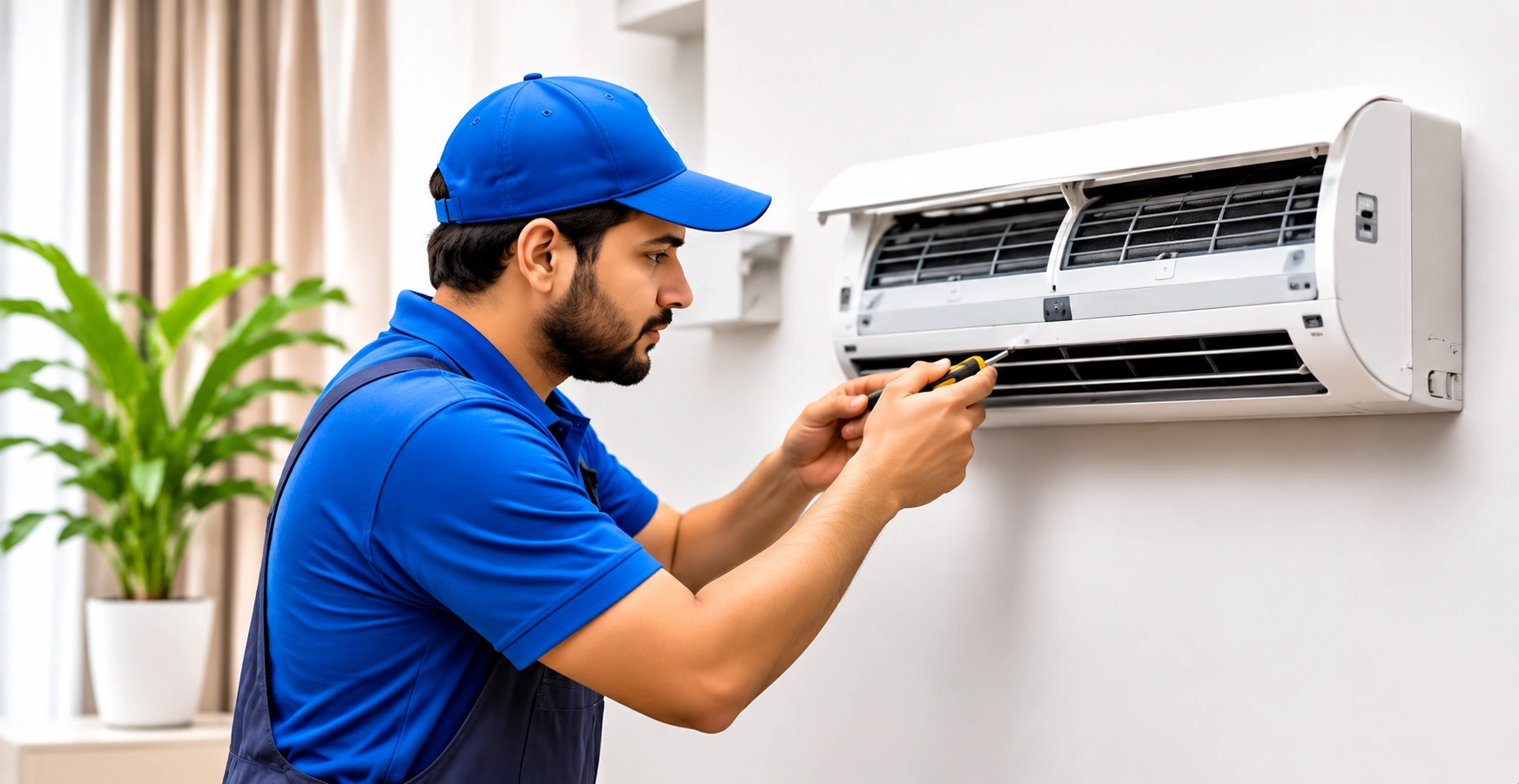
- Be home for an appliance technician.
Step 2: Identify Confirmed Time Slots
Mark appointments that already have a specific time.
A confirmed appointment should usually be planned before flexible activities.
Step 3: Check Each Location
Write down addresses, opening hours, and any special collection instructions.
Step 4: Estimate Travel and Activity Time
Use realistic estimates for travel, waiting, service duration, parking, and payment.
Step 5: Arrange Flexible Tasks Around Fixed Commitments
Fit nearby errands into available periods without risking a confirmed appointment.
Step 6: Review the Schedule Before Leaving
Confirm that the required products, documents, or services will be available.
Quick Takeaway: Planning multiple appointments starts with identifying fixed commitments and arranging flexible errands around them. I suggest keeping all activities in one schedule to avoid conflicts.
Which Everyday Activities Should I Include in My Schedule?
Daily planning should cover more than formal appointments.
I recommend including activities that involve travel, opening hours, waiting periods, or coordination with another person.
What Types of Activities Should I Organize?
| Activity Type | Examples | Main Planning Requirement |
| Personal appointments | Salon, grooming and wellness | Confirmed time and duration |
| Healthcare appointments | Doctor, clinic and diagnostic visits | Timing, documents and preparation |
| Shopping pickups | Groceries, clothing and electronics | Product readiness |
| Home services | Plumbing, electrical and cleaning | Provider arrival window |
| Repair collections | Mobile phone and appliance repair | Completion confirmation |
| Family errands | School supplies and household items | Location and opening hours |
| Professional visits | Accounting and legal consultations | Confirmed schedule and documents |
Why Should I Separate Appointments From Errands?
Appointments usually involve agreed time slots, while some errands can be completed within broader opening hours.
For example, I would prioritize a confirmed doctor’s appointment over an optional shopping visit.
I also recommend keeping preparation requirements in mind. Some medical appointments require fasting or other instructions that should take precedence over ordinary errands.
Quick Takeaway: A useful daily schedule includes both fixed appointments and flexible activities. I recommend identifying each task’s timing restrictions before deciding the order.
How Can I Prioritize Appointments and Flexible Errands?
Prioritizing activities helps prevent important tasks from being delayed by less urgent errands.
I recommend classifying activities into three groups.
1. Fixed-Time Commitments
These include confirmed appointments, scheduled consultations, and time-sensitive collections.
Plan these first because rescheduling may be difficult.
2. Time-Window Activities
These include pickups or home service visits available during a particular period.
Arrange them around confirmed appointments.
3. Flexible Errands
These include grocery shopping, browsing local stores, and nonurgent purchases.
Move these to available time slots if the schedule becomes busy.
How Should I Decide What Comes First?
Consider urgency, appointment availability, location, and consequences of missing the activity.
For example, if a technician is scheduled to visit your home between 2 PM and 4 PM, I would avoid planning an unpredictable shopping trip during that period.
Quick Takeaway: Prioritize tasks according to their timing restrictions and importance. I recommend completing fixed-time commitments first and using flexible errands to fill suitable gaps.
How Can I Save Travel Time Between Nearby Locations?
Travel planning becomes important when appointments and errands take place at different locations.
I recommend grouping activities within the same neighbourhood whenever practical.
How Can I Organize Multiple Stops?
Start by identifying the locations you need to visit.
Then:
- Place confirmed appointments in the schedule.
- Identify nearby flexible errands.
- Check travel routes between destinations.
- Compare transport options where relevant.
- Avoid unnecessary journeys across town.
- Review the route for traffic or transportation changes.
Google Maps provides multi-stop route planning, allowing users to add several destinations and rearrange their order for supported transport modes.
What Does a Better Route Look Like?
Suppose you need to visit a salon, grocery store, and electronics shop.
If the grocery and electronics stores are close to the salon, completing those errands in the same area may reduce repeated travel.
However, a shorter route is not always practical if a pickup is not ready or a store has limited opening hours.
Quick Takeaway: Grouping nearby destinations can help reduce unnecessary travel. I recommend checking location, opening hours, and appointment times together rather than choosing a route based only on distance.
How Much Extra Time Should I Leave Between Appointments?
Leaving additional time between activities helps manage ordinary delays such as traffic, queues, parking, or a service running longer than expected.
There is no universal buffer that works for every appointment.
How Can I Estimate a Suitable Time Buffer?
I recommend considering:
- Expected travel duration.
- Parking and walking time.
- Waiting or check-in requirements.
- The likelihood of an appointment running late.
- Time needed to prepare for the next activity.
For example, if the journey takes 20 minutes, parking and walking take 10 minutes, and you want another 15 minutes for uncertainty, reserve 45 minutes between commitments.
This is a planning example, not a guaranteed travel time.
For more variable activities, I suggest leaving a larger gap.
Why Should I Avoid Back-to-Back Scheduling?
Back-to-back appointments leave little room for unexpected delays.
Zoho’s appointment scheduling guidance also recommends confirmation details, reminders, and buffer time as useful scheduling practices.
Quick Takeaway: Suitable buffer time depends on travel conditions and the nature of each appointment. I recommend accounting for the complete journey and likely delays before accepting consecutive time slots.
How Can I Confirm Appointments and Pickup Availability?
Confirming arrangements before travelling can prevent unnecessary visits and misunderstandings.
I recommend checking directly with the relevant business or provider.
What Should I Confirm Before an Appointment?
Date and time: Verify the agreed appointment slot.
Location: Confirm the correct branch or service address.
Service details: Check what is included and how long it may take.
Preparation: Ask whether you need documents, photographs, prescriptions, or other materials.
Payment information: Confirm applicable charges and accepted payment methods.
What Should I Check Before Collecting an Order?
For shopping or repair pickups, I suggest confirming that the item is ready for collection.
Ask about the reference number, identification requirements, collection hours, and any balance payment.
For example, before collecting a repaired phone, I would check whether the repair is complete and whether the store requires the original service receipt.
Quick Takeaway: Confirming service and collection details can prevent wasted travel. I recommend checking readiness, timing, location, and any required documents before leaving.
Which Digital Tools Can Help Me Plan My Day?
Digital tools can help you record appointments, check travel routes, set reminders, and discover local businesses.
I recommend using a small number of tools that work well together.
How Can a Digital Calendar Help?
A digital calendar can store appointment times, locations, and notes.
I suggest adding reminders before important commitments and keeping travel preparation in the event description.
Google Calendar also offers Google Maps integration, including options for viewing locations and adding travel information.
How Can Maps Help With Local Errands?
Map applications can help estimate journeys and identify practical routes.
Check travel conditions before leaving because estimates may change.
How Can Neighbourhood Discovery Platforms Help?
Local discovery platforms can make it easier to find published information about nearby shops and services.
For example, TokoGen’s previously referenced neighbourhood journeys page is intended to support exploration and everyday planning. Users should verify the page and any currently available features before relying on it.
I recommend confirming appointments, pickup readiness, prices, and other arrangements directly with the relevant businesses.
Quick Takeaway: Calendars, maps, and local discovery platforms serve different planning needs. I recommend using them together while treating provider confirmations as the source of truth for appointments and pickups.
How Can I Create a Practical Daily Planning Schedule?
A daily schedule should be realistic rather than filled with activities from morning until evening.
I recommend using fixed appointments as the foundation and inserting optional errands only when enough time remains.
What Does an Example Daily Schedule Look Like?
Consider this hypothetical schedule:
| Time | Activity | Planning Note |
| 9:00–9:20 AM | Review tasks and confirmations | Check business details |
| 9:20–10:00 AM | Travel to salon | Includes arrival buffer |
| 10:00–11:00 AM | Salon appointment | Confirmed booking |
| 11:00–11:30 AM | Travel and flexibility | Allow for delays |
| 11:30 AM–12:00 PM | Collect repaired phone | Confirm collection first |
| 12:00–1:00 PM | Lunch and break | Flexible |
| 1:00–1:45 PM | Grocery shopping | Check shopping list |
| 1:45–2:30 PM | Return home | Allows time before home visit |
| 2:30–4:00 PM | Home service arrival window | Provider confirmation required |
These times are illustrative, not actual journey estimates.
Why Should I Keep Some Time Unscheduled?
Unexpected tasks, delays, and personal needs can change your plans.
I recommend leaving at least one flexible period, especially on busy days.
Quick Takeaway: A practical daily schedule combines confirmed commitments, realistic travel estimates, and free time. I suggest avoiding unnecessary appointments when the day is already crowded.
What Common Appointment Planning Mistakes Should I Avoid?
Small planning mistakes can create unnecessary travel, missed appointments, and scheduling conflicts.
1. Forgetting to Confirm Appointments
Business hours or appointment arrangements may change.
2. Scheduling Too Many Tasks
An overloaded timetable leaves little time for unexpected events.
3. Ignoring Travel Time
Two appointments may not be compatible even when their listed times do not overlap.
4. Travelling Before a Pickup Is Ready
I recommend confirming product or repair readiness before making a special trip.
5. Keeping Multiple Unconnected Schedules
Appointments stored in different messages, notes, and calendars can be easy to overlook.
6. Forgetting Required Documents
Some visits require identification, receipts, forms, or other information.
7. Failing to Update Changes
When an appointment is rescheduled, update the main calendar and review any affected errands.
Quick Takeaway: Most everyday planning problems involve incomplete information, unrealistic timing, or forgotten commitments. I recommend keeping one current schedule and confirming important arrangements in advance.
How Can I Make Everyday Planning a Consistent Habit?
A useful planning routine should be simple enough to follow regularly.
I recommend reviewing upcoming commitments the previous evening and checking them again before leaving home.
What Daily Planning Habits Should I Follow?
The previous evening: List appointments, errands, and collection requirements.
Before leaving: Confirm important bookings, review routes, and prepare required items.
During the day: Update the schedule when appointments change.
After completing tasks: Record unfinished errands and move them to another suitable day.
I also recommend grouping nonurgent activities whenever possible instead of travelling separately for every small requirement.
The goal is not to control every minute. It is to understand your priorities and reduce avoidable confusion.
For additional ideas about neighbourhood discovery and preparing for everyday tasks, explore TokoGen and its available local information resources.
Quick Takeaway: Consistent planning works best when it remains simple and flexible. I recommend using one task list, reliable confirmations, practical travel estimates, and short daily reviews.
Frequently asked questions
What is local appointment planning?
Local appointment planning is the process of organizing nearby appointments, service visits, pickups, and errands into a practical schedule. I recommend considering fixed times, business hours, travel duration, and preparation requirements before arranging the day.
How can I manage multiple appointments in one day?
Start by listing confirmed appointment times and locations, then arrange flexible errands around them. I suggest checking travel estimates and allowing extra time between commitments so one delay does not disrupt the entire schedule.
How can I plan appointments and shopping pickups together?
Prioritize appointments with fixed time slots and place shopping pickups into suitable gaps. I recommend confirming that products are ready and checking collection hours before travelling to avoid unnecessary trips.
How much buffer time should I leave between appointments?
Allow enough time for travel, parking, walking, preparation, and possible delays. I recommend calculating the buffer for each journey rather than using the same number of minutes everywhere. Longer or unpredictable activities may require additional flexibility.
What is the best way to avoid missing appointments?
Keep all commitments in one calendar, set useful reminders, and confirm important details in advance. I suggest adding appointment locations and preparation notes so you do not need to search through messages at the last minute.