












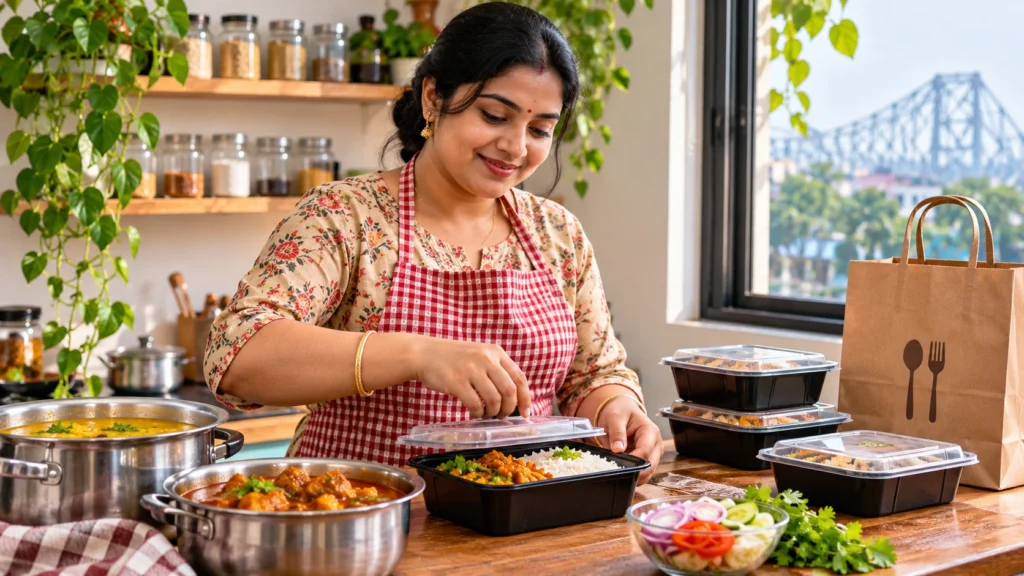
Home Cooking Services in Kolkata can attract more customers by offering quality homemade meals, building a strong local presence, sharing clear menus online, and encouraging satisfied customers to order again.
For home chefs and small food entrepreneurs, preparing delicious meals is only one part of running a successful business. Customers also need to know what food is available, how much it costs, where delivery is offered, and how to place an order.
I recommend starting with a clear online business profile. Platforms such as TokoGen for Business provide ways to present business information, products, services, photographs and contact details to potential customers.
In this guide, I explain practical ways to promote homemade food, reach nearby customers and build long-term relationships without spending heavily on advertising.
Why Are Home Cooking Services Becoming Popular in Kolkata?
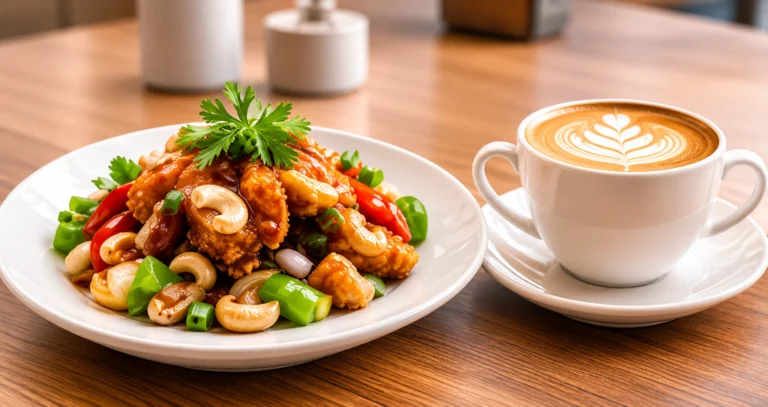
Home cooking services provide an alternative for people who want freshly prepared meals without cooking every day.
Students, working professionals, elderly residents and busy families may look for convenient meal arrangements that match their preferences and schedules.
Kolkata’s food culture also creates opportunities for specialised homemade meals. A home chef could offer traditional Bengali lunches, vegetarian thalis, regional dishes or seasonal preparations.
What Makes Homemade Meals Attractive?
Customers may value several qualities:
- Familiar home-style flavours and recipes.
- Clearly explained ingredients and preparation methods.
- Flexible portion sizes and meal plans.
- Convenient lunch or dinner arrangements.
- Direct communication with the person preparing the food.
I suggest concentrating on a clearly defined offering rather than trying to provide every type of cuisine.
For example, a small business specialising in Bengali lunch boxes may communicate its value more clearly than a business advertising dozens of unrelated dishes.
Quick Takeaway: Home cooking businesses can appeal to customers who value convenient, familiar and clearly described meals. A specialised menu makes the business easier to understand and promote.
How Can Home Cooking Services Identify Their Ideal Customers?
Understanding the target audience helps home chefs design relevant menus, choose suitable delivery areas and communicate effectively.
Identify Potential Customer Groups
| Customer group | Possible service offering |
| College students | Affordable lunch and dinner plans |
| Office employees | Scheduled weekday lunch delivery |
| Working professionals | Weekly meal subscriptions |
| Families | Family meal portions and pre-orders |
| Senior citizens | Simple meals with clearly discussed dietary preferences |
| Small gatherings | Pre-ordered homemade catering |
Focus on Specific Kolkata Neighbourhoods
I recommend choosing a manageable service area before expanding.
Depending on where the kitchen is located, potential areas might include Salt Lake, New Town, Garia, Jadavpur, Behala or Tollygunge.
These are examples of neighbourhoods to evaluate, not verified high-demand locations.
A home chef based in Jadavpur, for example, could test demand in nearby residential areas before offering deliveries across Kolkata.
Shorter delivery routes may help reduce transport costs and make delivery arrangements more predictable.
Quick Takeaway: Home cooking services should identify a specific customer group and a realistic delivery area. Starting locally makes it easier to understand demand, manage costs and improve customer service.
How Can Home Chefs Promote Their Services Online?
Online promotion helps potential customers learn what a home cooking business offers before making an enquiry.
I recommend using a combination of business listings, social media and direct customer communication.
Create a Clear Online Business Profile
A useful business profile should communicate essential information without forcing customers to ask basic questions.
Include the following:
- Business name and food speciality.
- Available dishes and meal plans.
- Clear photographs of prepared meals.
- Service areas and delivery arrangements.
- Ordering hours and contact information.
- Prices or instructions for requesting a quotation.
Home chefs can explore TokoGen’s local business features to understand how business information and available offerings can be presented to customers.
Use Google Business Profile Where Eligible
A Google Business Profile may help an eligible local food business appear on Google Search and Maps.
However, eligibility matters. Google allows certain delivery-only food businesses under specific conditions, and service-area businesses must follow its address and customer-contact requirements. Home chefs should check the official guidelines before creating a listing.
Google Business Profile Help+1
Promote Your Menu on Social Media
Instagram and Facebook can help showcase meals and explain what makes a home kitchen different.
Useful content ideas include food preparation videos, weekly menus, seasonal specials, packaging demonstrations and genuine customer feedback shared with permission.
I recommend prioritising clear, authentic content over complicated video production.
Make WhatsApp Enquiries Simple
A WhatsApp Business profile can help organise customer communication.
Share an updated menu, establish order cut-off times and explain delivery charges before confirming orders.
Quick Takeaway: Home chefs can improve online visibility through complete business information, appropriate local listings, useful social content and convenient enquiries. Clear ordering details are more valuable than posting frequently without a purpose.
What Marketing Strategies Can Attract More Local Customers?
Local marketing helps home cooking businesses reach people who are more likely to order within their delivery area.
Encourage Genuine Customer Referrals
Satisfied customers may recommend homemade meals to neighbours, friends and colleagues.
I suggest asking for feedback after successful deliveries and inviting customers to share the service with people who may find it useful.
An introductory discount or referral offer can be tested if it remains financially sustainable.
Build Relationships With Nearby Communities
Home chefs can explore suitable promotional opportunities among apartment communities, student accommodation providers and local office groups.
Any promotion should follow community rules and avoid unsolicited messages.
Share Weekly Menus
A predictable weekly menu helps customers plan meals.
For example:
| Day | Illustrative lunch menu |
| Monday | Rice, dal, vegetables and egg curry |
| Tuesday | Roti, mixed vegetable curry and dal |
| Wednesday | Rice, fish curry and seasonal vegetables |
| Thursday | Vegetable pulao and paneer curry |
| Friday | Bengali-style rice, dal and chicken curry |
Menus should be adjusted for customer preferences, food availability, preparation capacity and pricing.
Use Limited Local Promotions
Rather than offering permanent discounts, I recommend testing small promotions such as a first-order offer or a weekly subscription trial.
Record which promotions generate enquiries and profitable repeat orders.
Quick Takeaway: Referrals, community relationships and predictable menus can help attract nearby customers. Promotions should be simple, targeted and measured against actual business costs.
How Can Home Cooking Businesses Set Better Prices and Menus?
A carefully planned menu helps control preparation costs while making ordering easier for customers.
Calculate the Real Cost of Each Meal
Before setting prices, consider ingredient expenses, cooking fuel, packaging, labour, delivery charges and food wastage.
For example, an illustrative meal calculation might look like this:
| Expense | Example cost |
| Ingredients | ₹45 |
| Cooking and preparation | ₹15 |
| Packaging | ₹10 |
| Delivery | ₹20 |
| Total estimated cost | ₹90 |
If the meal sells for ₹130, the difference is ₹40 before other overheads, taxes and unexpected expenses. These figures are hypothetical, not Kolkata market prices.
I suggest testing prices against actual costs and what customers are willing to pay for the quality and convenience offered.
Introduce Flexible Meal Plans
Possible options include individual meals, five-day lunch subscriptions, weekly dinner plans and family meal packages.
Subscription plans may improve planning, but businesses should clearly explain cancellations, menu changes and advance payment terms.
Quick Takeaway: Home chefs should price meals using their full operating costs rather than ingredient costs alone. Clear menus and flexible plans can support more predictable ordering.
How Can Home Cooking Services Build Trust and Repeat Orders?
Trust is essential when customers order food prepared in a home kitchen.
Maintain Food Safety Standards
Food businesses in India must follow applicable FSSAI registration or licensing requirements. The appropriate category depends on the business and current eligibility rules.
Home chefs should verify the requirements and apply through the official FoSCoS portal.
FSSAI+1
Alongside regulatory compliance, I recommend maintaining a hygienic kitchen, using suitable food-safe packaging, handling allergens carefully and following appropriate food storage and transport practices.
Deliver Consistent Quality
Customers should know what to expect from each order.
Consistency involves portion sizes, food quality, delivery timing and accurate menu descriptions.
If a dish is unavailable, communicate the change before accepting payment or confirming an order.
Collect Honest Customer Reviews
Ask customers to share genuine feedback about food quality, packaging and delivery.
Respond professionally to complaints and use recurring feedback to improve the service.
Encourage Repeat Orders
A simple follow-up message, sent with the customer’s permission, can introduce the next week’s menu or remind them about an available subscription.
Avoid excessive promotional messages.
Quick Takeaway: Trust grows through safe preparation, transparent communication and dependable service. Repeat orders become more likely when customers consistently receive what they were promised.
What Mistakes Should Home Cooking Businesses Avoid?
Even good food may struggle to attract repeat customers when important business details are unclear.
I recommend avoiding these common mistakes:
- Offering too many dishes: A large menu can increase food waste and complicate preparation.
- Ignoring delivery costs: Small orders may become unprofitable when transport expenses are underestimated.
- Publishing unclear prices: Customers should understand food charges, packaging and delivery costs.
- Using misleading photographs: Images should accurately represent the meals being sold.
- Overpromising delivery times: Accept orders according to actual kitchen and delivery capacity.
- Ignoring customer complaints: Unresolved issues can damage customer confidence.
- Depending on one promotional channel: Using only social media may make customer acquisition less predictable.
I also suggest reviewing business performance regularly instead of assuming that a high number of enquiries means strong profitability.
Quick Takeaway: Home cooking businesses should avoid unclear menus, unrealistic delivery commitments and uncontrolled costs. Reliable operations are just as important as marketing.
How Can Home Chefs Start Growing Their Business Today?
A small, structured action plan can make customer acquisition more manageable.
A Practical Seven-Day Marketing Plan
| Day | Action |
| Day 1 | Identify target customers and delivery areas |
| Day 2 | Finalise a focused menu and pricing |
| Day 3 | Photograph meals and prepare a digital menu |
| Day 4 | Update business profiles and contact details |
| Day 5 | Share the menu through appropriate local channels |
| Day 6 | Collect feedback from existing customers |
| Day 7 | Review enquiries, orders, costs and improvements |
I recommend tracking enquiries, confirmed orders, repeat customers and profit after expenses.
After the first week, continue the activities that produce worthwhile results and adjust those that require too much effort.
Quick Takeaway: A seven-day plan provides a practical starting point for improving local visibility and customer communication. Consistent measurement helps home chefs identify what works before increasing their marketing budget.
Frequently asked questions
How can I get more customers for my home cooking business in Kolkata?
Start by promoting your food to customers within a manageable delivery area. I recommend sharing a clear menu, using suitable local business profiles, collecting genuine feedback and encouraging referrals. Concentrate on people who are likely to place regular orders rather than promoting to everyone across the city.
How can I advertise my homemade food business for free?
You can begin with organic social media content, WhatsApp Business, neighbourhood referrals and eligible free business listings. I suggest using real meal photographs and keeping prices and contact information consistent. Free promotion still requires time, so measure which activities produce actual customer enquiries.
Do home cooking services need FSSAI registration?
Yes, commercial food businesses generally require appropriate FSSAI registration or licensing, including qualifying home-based food operations. The exact requirement depends on the nature and scale of the activity. I recommend checking current eligibility and application requirements through the official FoSCoS portal before starting commercial sales.
How can I increase repeat orders for my tiffin service?
Offer consistent meal quality, convenient subscriptions, reliable delivery and clear communication. I suggest asking regular customers about preferred dishes, portion sizes and ordering schedules. Responding to feedback and keeping the weekly menu predictable may encourage customers to continue ordering.
What type of homemade food can I sell in Kolkata?
Home chefs can explore Bengali meals, vegetarian lunch boxes, regional dishes, snacks, sweets and pre-ordered family meals. I recommend selecting dishes based on preparation capacity, customer preferences, delivery suitability and food safety requirements. A small, dependable menu is often easier to manage when starting.