



You can run a 30-Day Marketing Campaign for your local shop under ₹3,000 by combining free Google visibility, WhatsApp customer communication, affordable shop promotions and a small, measurable advertising test.
Many local shop owners believe marketing requires a large budget. However, a neighbourhood store may not need to reach thousands of unrelated people across an entire city. It needs to reach customers who live, work or shop nearby.
A grocery shop may want more daily visits, while a boutique may want customers interested in new clothing collections. A mobile accessories store might need enquiries about specific phone models.
I recommend starting with one clear business goal and a realistic spending limit.
Free business discovery tools should form the foundation of the campaign. Platforms such as TokoGen can also be explored for local shop and service visibility, subject to current listing features.
In this guide, I explain how to allocate ₹3,000, plan promotional activities across 30 days and measure whether the campaign creates useful business results.
Why Should Local Shops Use a 30-Day Marketing Campaign?
A 30-day campaign gives shop owners enough structure to test a small number of promotional activities without committing to a long-term advertising expense.
Instead of posting random offers every day, owners can organise activities around a specific objective.
What Should Your Main Goal Be?
Choose one primary goal, such as increasing store visits, generating product enquiries, introducing a new category or encouraging repeat purchases.
For example, a stationery shop may aim to increase enquiries for school supplies.
I recommend recording the number of enquiries and sales before the campaign begins so that results can be compared.
Quick Takeaway: A 30-day campaign helps small shops organise promotion and spending. Choose one primary business objective and measure outcomes consistently.
How Can You Divide a ₹3,000 Marketing Budget?
The best budget allocation depends on your business type, existing customer base and available resources.
I recommend spending less on advertising until essential business information is accurate.
Example Budget Allocation
| Marketing activity | Budget |
| Small local social media advertising test | ₹1,200 |
| Flyers and QR contact cards | ₹500 |
| Limited customer promotional allowance | ₹500 |
| Shop signage and offer display | ₹300 |
| Content production materials | ₹300 |
| Contingency and possible taxes | ₹200 |
| Total | ₹3,000 |
The offer allowance should represent the actual cost of a discount or promotional benefit, not the normal selling price of an item.
Use free tools for activities that do not require additional spending.
Quick Takeaway: Divide your marketing budget between visibility, customer incentives and shop promotion. Track actual expenses and keep the campaign within the ₹3,000 ceiling.
How Can You Prepare Your Shop Before Starting Marketing?
Advertising an incomplete or inaccurate business listing can waste a limited budget.
I recommend preparing your store information before launching promotions.
Update Your Google Business Profile
Eligible shops can create or claim a free Google Business Profile to manage information on Google Search and Maps.
Google Business Profile Help
Add your real business name, correct location, working hours, suitable category, contact number and genuine photographs.
Set Up WhatsApp Business
Prepare an accurate business profile and add relevant products to the catalogue where suitable.
Select Your Main Products
Choose three to five products or services that customers regularly request and that your shop can profitably supply.
Prepare an Enquiry Process
Decide who will answer customer calls, WhatsApp messages and product availability questions.
Quick Takeaway: Marketing works better when customers find accurate shop information and receive clear responses. Complete your business profiles and prepare your staff before spending on advertisements.
What Should You Do During the First Seven Days?
The first week should focus on preparation and no-cost promotional activities.
Days 1–2: Review Your Business Information
Check the shop’s Google listing, contact details, operating hours and genuine photographs.
Days 3–4: Prepare Promotional Content
Take clear product photographs using a smartphone and create a few simple promotional posts.
Days 5–6: Introduce Customer Communication
Use WhatsApp Status and appropriate customer conversations to share information about available products.
Only send direct promotional messages to people who have agreed to receive them.
Day 7: Review the Initial Response
Record incoming enquiries, store visits associated with promotions and any completed purchases.
I recommend avoiding paid advertisements during this preparation stage.
Quick Takeaway: The first seven days should establish accurate business information and useful promotional content. Free visibility and existing customer communication provide a starting point for later spending.
How Can WhatsApp Help Promote Your Shop Without a Large Budget?
WhatsApp Business offers business profiles, product catalogues and customer communication features.
Its official documentation explains that businesses can share catalogues and individual product links across supported channels.
WhatsApp for Business
What Should You Share?
Consider sharing relevant new arrivals, actual stock availability, short offer announcements and helpful product information.
Use Short, Clear Messages
An example for a grocery shop:
Fresh vegetables and daily essentials are available today at our shop. Contact us for current prices and stock availability.
Avoid Unwanted Messages
Frequent unsolicited promotions can reduce customer trust.
I recommend asking permission before sending marketing updates and making it easy for people to stop receiving them.
Quick Takeaway: WhatsApp can help existing and interested customers discover current products and contact your shop. Accurate information and respectful messaging matter more than the number of promotional messages sent.
How Can You Run a Small Local Social Media Advertisement?
A limited advertisement can be useful after you have tested your basic promotional message.
I recommend keeping the campaign focused on one location and one clear customer action.
Choose a Simple Objective
A shop may aim to receive WhatsApp enquiries, promote a specific offer or introduce products to nearby audiences.
Use a Genuine Product Image
Display real items, clear prices where appropriate and a working contact method.
Test a Small Budget
A suggested advertising allocation is ₹1,200 within the overall campaign.
For illustration, this could support a six-day test averaging ₹200 in planned advertising spend per day, provided the platform accepts the selected budget and objective.
Actual minimum budgets, delivery and billing rules vary. Meta ad accounts may warn when a selected budget is too low for the campaign settings.
Marketlube
Monitor Actual Spending
Check platform charges and applicable taxes so that the overall campaign does not exceed ₹3,000.
Quick Takeaway: Small advertisements should target a relevant audience and a clear business objective. Treat paid promotion as a controlled experiment, not a guaranteed source of enquiries or sales.
How Can Printed Flyers and Shop Signage Attract Nearby Customers?
Physical promotion may still be useful for shops that serve a small neighbourhood.
Create Simple Flyers
Include your genuine shop name, main product or service, location and contact information.
Use a QR Contact Code
A QR code may make it convenient for a customer to open a verified business contact link or location.
Improve Store Signage
Display a clear, accurate offer or product announcement where it is visible and permitted.
Distribute Responsibly
Ask permission before placing promotional materials in other businesses or residential communities.
I recommend testing printed promotion in areas already relevant to your customers rather than distributing flyers randomly across the city.
Quick Takeaway: Local flyers and signage can complement online discovery. Clear information and relevant distribution are more useful than printing large quantities without a plan.
How Can You Create Customer Offers Without Losing Profit?
Discounts may attract attention, but they should not reduce profitability unnecessarily.
I recommend choosing promotions that are easy to understand and financially sustainable.
Offer Small Bundles
A stationery shop might bundle commonly purchased school supplies, while a mobile accessories store could offer a compatible cover and screen protector.
Set Clear Conditions
Explain the offer period, applicable products, availability and any exclusions.
Calculate the Cost
If 20 customers each redeem a promotion costing the shop ₹25 in contribution margin, the promotional allowance used is ₹500.
This is a hypothetical example.
Avoid Misleading Savings Claims
Do not inflate an original price merely to display a large discount.
Quick Takeaway: Customer offers should encourage suitable purchases without sacrificing essential profit. Calculate the true cost of each promotion and communicate terms clearly.
How Can TokoGen Support Your Local Shop’s Visibility?
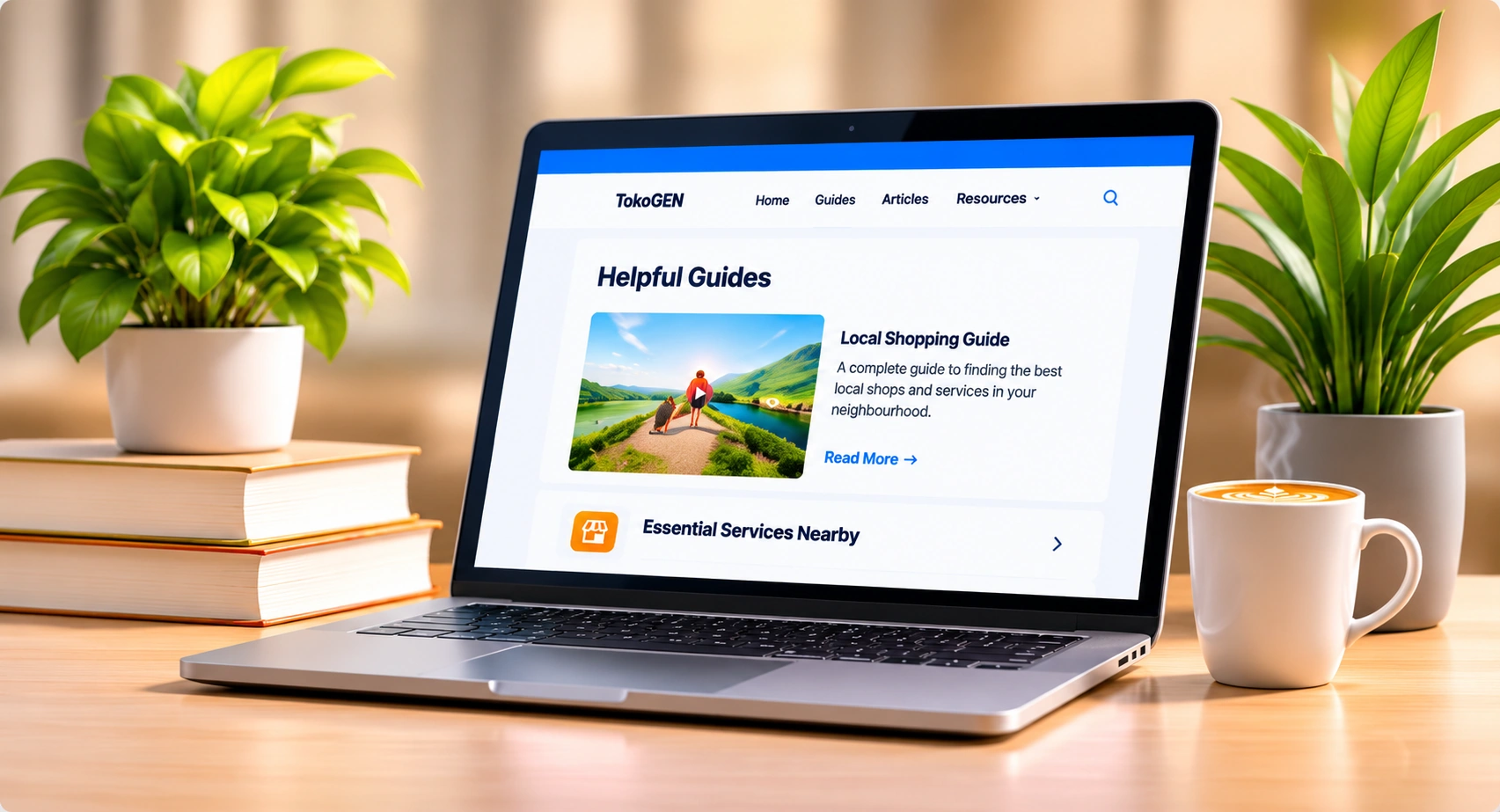
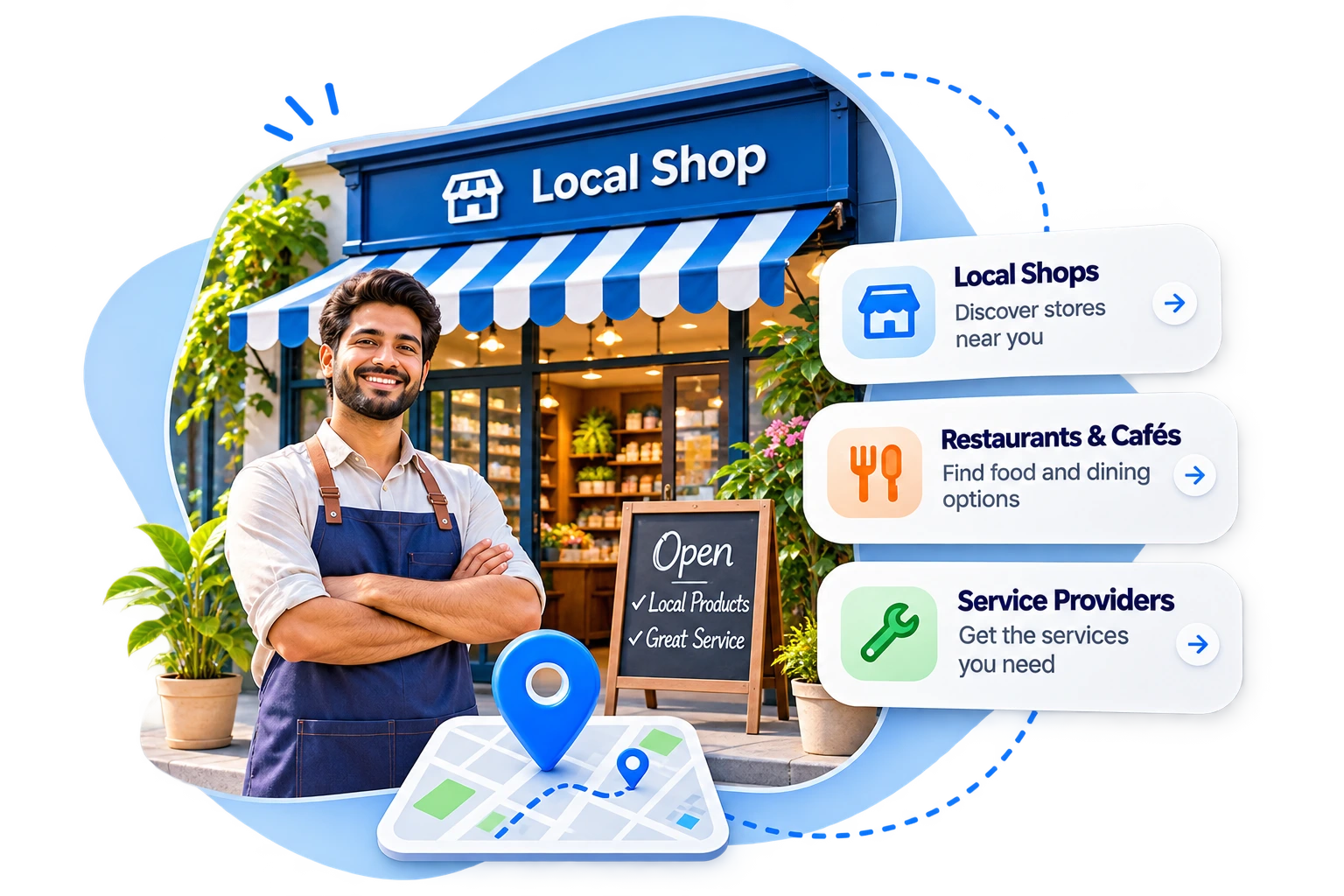
TokoGen describes a neighbourhood discovery experience involving local businesses, shops, products and services.
Its current website also presents business profiles and a proposed onboarding journey. Some displayed shopping workflows are previews rather than completed transactions on the landing page.
LocalConnect
I recommend exploring available listing options for your actual business category.
A useful shop profile should include the business name, location, genuine photographs, contact details and accurate product or service information.
Do not assume that advanced order processing, advertising or promotional tools are active without checking the current app.
Quick Takeaway: TokoGen can be explored as an additional local discovery channel. Accurate business information helps customers understand what a shop offers, while specific listing and transaction features should be verified.
How Can You Follow a 30-Day Marketing Schedule?
Instead of spending the entire budget immediately, I recommend dividing the campaign into preparation, promotion, testing and review stages.
30-Day Local Shop Marketing Planner
0 of 25 tasks completed
0%
Week 1 · Prepare
Day 1: Record current sales and customer enquiries
Day 2: Update Google Business Profile
Day 3: Prepare WhatsApp Business catalogue
Day 4: Photograph five popular products
Day 5: Prepare promotional messages
Day 6: Share the first organic post
Day 7: Review initial responses
Week 2 · Promote Locally
Day 8: Select one customer offer
Day 9: Design a simple flyer
Day 10: Print approved materials
Day 11: Update in-store offer signage
Day 12: Share offer with opted-in customers
Day 13: Explore a suitable local business partnership
Day 14: Review enquiries and costs
Week 3 · Test Advertising
Day 15: Select the best-performing product
Day 16: Prepare one local advertisement
Day 17: Set a spending cap and check billing
Days 18–23: Run the six-day ad test if budget permits
Day 24: Review leads and confirmed purchases
Week 4 · Measure and Improve
Day 25: Check customer feedback
Day 26: Review product-level profit
Day 27: Identify the most useful promotion
Day 28: Contact customers only where permitted
Day 29: Reconcile all campaign expenses
Day 30: Record results and plan the next month
This schedule assumes the shop owner can perform most routine tasks using existing equipment and free tools. Printing, advertising and promotional expenses should remain within the original allocation.
Quick Takeaway: A phased campaign allows shop owners to prepare before spending and evaluate results afterward. Reserve the final week for measurement rather than launching unnecessary new promotions.
How Can You Measure Marketing Success After 30 Days?
An effective campaign should be measured through actual customer responses and profitable purchases.
I recommend recording the source of each enquiry wherever practical.
Example Campaign Performance
| Metric | Hypothetical result |
| Campaign expenditure | ₹3,000 |
| Total new enquiries | 60 |
| Purchases attributed to the campaign | 24 |
| Sales revenue from those purchases | ₹12,000 |
| Gross margin on those sales | 35% |
| Gross profit before marketing | ₹4,200 |
| Contribution after marketing expenses | ₹1,200 |
These are illustrative numbers, not predicted results.
The contribution calculation is:
₹4,200-₹3,000=₹1,200
This does not necessarily represent final net profit, because other business overheads may still apply.
The same example produces a customer acquisition cost of ₹125 per attributed purchase and a marketing return on ad spend calculation of 4:1 when all campaign expenditure is treated as the advertising denominator. More precisely, this is a campaign revenue-to-spend ratio, since the budget includes several non-advertising activities.
Quick Takeaway: Measure enquiries, attributed purchases, gross margin and actual expenses. A campaign is financially useful when it creates sufficient incremental contribution to justify its cost.
What Marketing Mistakes Should Small Shop Owners Avoid?
Common mistakes include:
- Spending the full budget before checking business information.
- Promoting products that are unavailable.
- Targeting locations too far from the shop.
- Running too many advertisements with a small budget.
- Offering discounts without calculating their cost.
- Sending unsolicited WhatsApp promotions.
- Using inaccurate prices or misleading images.
- Failing to track customer enquiries and purchases.
- Ignoring taxes, printing charges or other expenses.
- Assuming more social media views automatically mean more sales.
I recommend improving the quality of customer responses before increasing spending.
Quick Takeaway: Budget discipline, relevant targeting and accurate customer information are essential. A ₹3,000 campaign should focus on a few measurable activities rather than attempting every marketing channel.
Frequently asked questions
Can I market my local shop for ₹3,000?
Yes. A shop can combine free business listings, existing customer communication, printed promotion and a small paid advertising test within a ₹3,000 budget. I recommend tracking all charges carefully and selecting activities relevant to nearby customers.
Which marketing method should I start with?
Start by improving your Google Business Profile and preparing a reliable customer contact method. I recommend checking your shop's actual information, photographs and product availability before paying for additional reach.
How much should I spend on Facebook or Instagram ads?
There is no universal amount suitable for every shop. A ₹1,200 test allocation may be considered for this example, provided the selected platform settings permit it and the entire campaign stays within budget. Results are not guaranteed.
Can WhatsApp marketing help local shops increase sales?
WhatsApp can help shops share relevant products, answer questions and communicate with interested customers. I recommend sending promotional messages only to customers who have agreed to receive them and maintaining accurate catalogue information.
How many customers can a ₹3,000 campaign attract?
There is no reliable fixed number. Results depend on business category, product demand, pricing, location, promotion quality and competition. I suggest setting a realistic target using your existing sales records and measuring actual results.