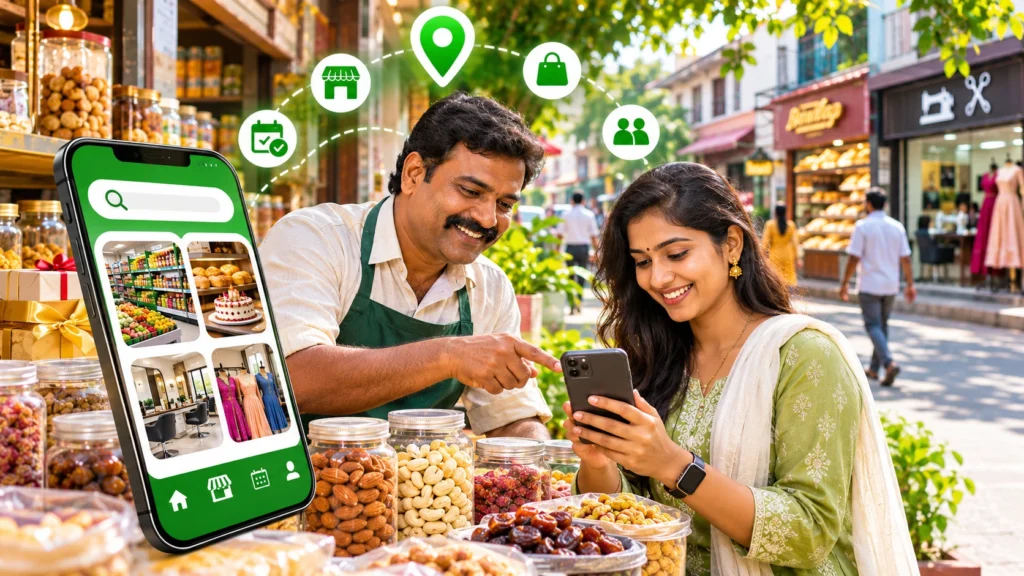



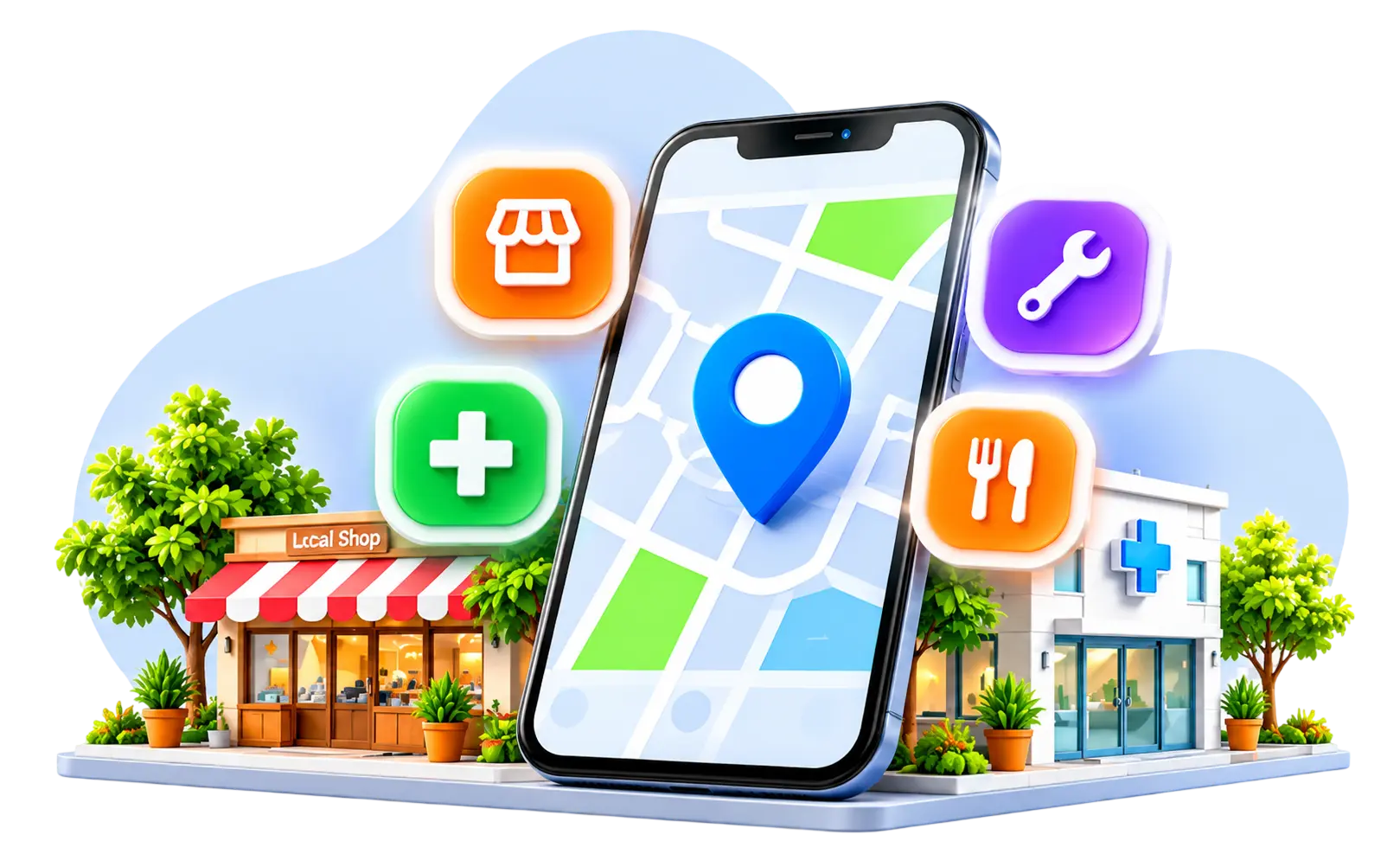





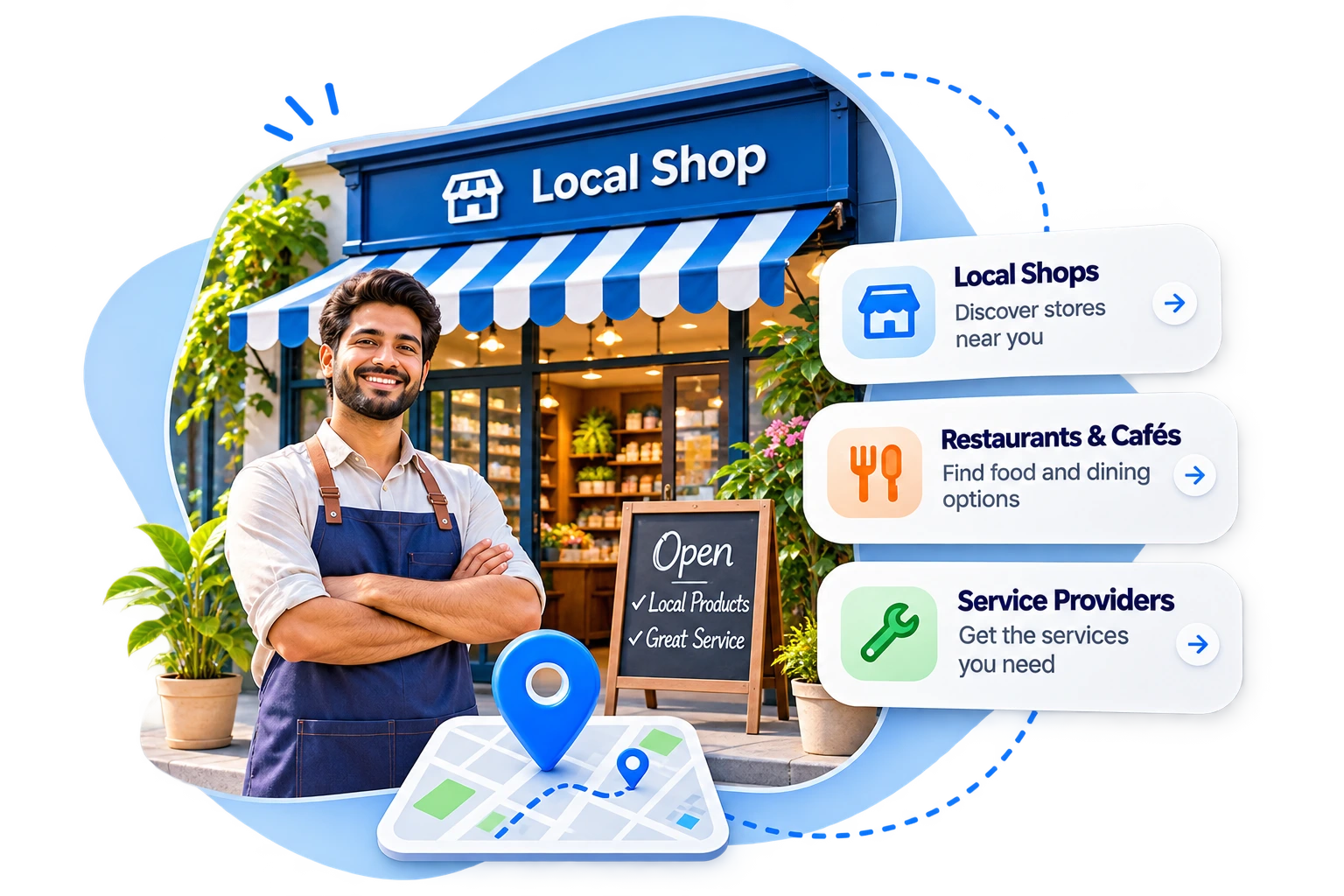

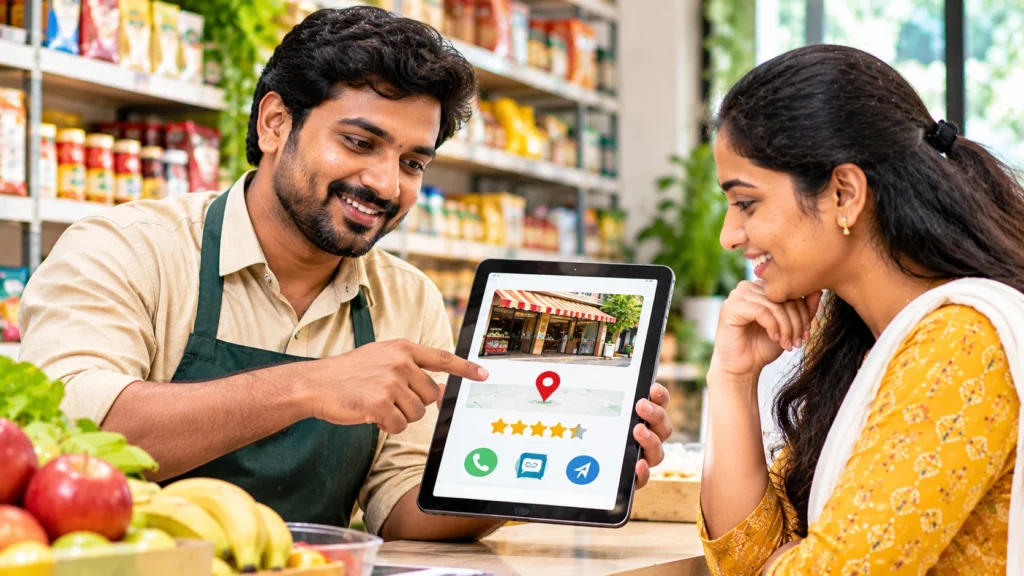
An Online Business Profile helps customers find your shop by showing your business name, location, products, services, opening hours, photographs and contact details in a place they can discover online. It helps nearby customers understand what your business offers before deciding to call or visit.
A customer may need a grocery store, bakery, tailoring shop, salon or mobile accessories retailer just a few streets away. Your shop might offer exactly what they want, but they may not know it exists.
I recommend creating accurate business information across suitable local discovery platforms instead of depending entirely on walk-in traffic and word-of-mouth recommendations.
Platforms such as TokoGen introduce neighbourhood business discovery, while eligible businesses can also use Google Business Profile to manage their appearance in Search and Maps.
In this guide, I explain how online profiles support local visibility, which details matter most and how shop owners can improve their profiles.
What Is an Online Business Profile and Why Does Your Shop Need One?
An online business profile is a digital listing that introduces a business to potential customers.
It acts like an online shop information card, displaying important details in one convenient place.
A useful profile can explain the type of shop, its location, available products or services and how interested people can make contact.
How Is a Business Profile Different From a Website?
A website is a dedicated digital property that a business can organise into detailed pages.
An online business profile usually appears within a larger platform, directory or discovery service.
| Online business profile | Business website |
| Displays essential shop details | Supports detailed business pages |
| May appear in local discovery results | Can build an independent online presence |
| Often includes location and contact information | Can offer custom functions |
| Usually quicker to maintain | Requires additional setup and maintenance |
A business may benefit from using both.
For a small shop without a website, a well-maintained listing can still give customers essential information.
Quick Takeaway: An online business profile is a digital introduction to your shop. It helps customers understand what you offer and how to reach you, even if you do not have a dedicated website.
How Does an Online Business Profile Help Nearby Customers Discover Your Shop?
People like to look up the product or service they need near them, not the company name.
For example, someone may be looking for a bakery close to his home, a mobile repair shop in his area, or a tailor in his city.
A good business listing helps search and discovery platforms know if your shop is relevant.
How Does a Business Become Local Search Relevant?
Key information: The real category of the shop, its location, the products or services offered, and current business details.
For Google in particular, local results are based on prominence, distance and relevancy.
Google Business Profile Support
This is not a remark regarding TokoGen’s ranking system, these are Google’s ranking variables.
Example of Customer Search
Consider a consumer in Anna Nagar, Madurai, looking for a nearby stationery shop.
A full biography of a stationery business can clarify the shop’s location, hours and product categories available.
But whether a result appears relies on the individual platform’s eligibility, coverage, and discovery process.
Quick Take: * A company profile is a way for discovery platforms to learn about your shop and a way for shoppers to evaluate it. Correct categories and location information are especially critical in nearby searches.
What Information Should Every Online Business Profile Include?
A useful business profile should answer the most important customer questions without requiring a phone call.
I recommend preparing accurate information before creating a listing.
Essential Business Profile Details
| Profile field | Customer benefit |
| Shop name | Identifies the business |
| Business category | Explains the type of shop |
| Address or service area | Shows geographical relevance |
| Opening hours | Helps customers plan visits |
| Contact number | Makes enquiries easier |
| Product or service descriptions | Explains available offerings |
| Genuine photographs | Helps customers recognise the shop |
| Website or supported contact link | Provides further information |
| Relevant reviews, where supported | Helps customers assess experiences |
How Should You Write the Business Description?
Use short, specific wording.
For example:
A neighbourhood stationery shop offering notebooks, pens, school supplies and everyday office essentials in Anna Nagar, Madurai.
This explains what the business provides and where it operates without exaggerated promotional claims.
Avoid inserting unrelated products or locations just to increase visibility.
Quick Takeaway: A complete profile should help customers identify your shop, understand its offerings and find a reliable contact method. Clear, specific descriptions are more valuable than keyword-heavy promotional text.
How Can Product Photographs and Descriptions Improve Customer Interest?
Photos let customers know which products or services a shop offers.
Someone looking for a furniture store might want to see genuine sofa designs, a bakery consumer might want to see cakes and pastries.
“I would recommend clear photos of actual merchandise.
Which photos should you add?
Recognisable shopfront shot, tidy interior views and close-ups of key merchandise.
In the case of service organisations, good examples of completed work might help clients comprehend the expertise of the provider.
How to describe the products?
Add correct product names, appropriate sizes, types and availability information where possible.
Availability of items. If an item is out of stock or discontinued we will notify you.
Why Authenticity Matters?
Stock photos or carefully modified photos can generate expectations the store cannot deliver.
I urge you accurately portray your true business.
Quick Take: Real photos and informative descriptions set the customer’s expectations. Accuracy of product is key to turning initial attention into substantial enquiries.”
Why Do Accurate Shop Locations and Opening Hours Matter?
They want to know where your firm is located and when they may stop by.
Wrong address or out of date opening times lead to wasted journeys and frustration.
I suggest you check these information anytime your business activities alter.
What to Look For?
Check that the location on the map is your true location, that the contact number is working and that the opening hours are correct.
If your shop is closed for festivals, maintenance or other reasons, update special hours where the platform permits.
What about businesses without a shop front?
Some service providers come to the consumer rather than requiring the customer to come to a physical site.
Google has distinct eligibility and address display guidelines for service-area businesses. Do not use a private residential address as a public customer-facing shop location unless it is eligible under the platform’s policies.
Why Is This Important for Trust?
Customers may be less likely to contact a business if it consistently lists wrong location or hours.
Quick Take: • Accurate locations and operating hours provide customers the confidence to plan their trips. Shops and service area enterprises must meet each platform’s address and eligibility requirements.
How Can Reviews and Complete Business Information Build Customer Trust?
Customers typically desire some confidence before entering a shop they have never used.
Having a business profile with real pictures, useful information and real feedback from clients will help them develop an impression at first sight.
Responding to reviews and maintaining helpful photos are part of having an approved Business Profile, Google says.
Google My Business Help
How should shop owners react to feedback?
Thank customers for honest comments, address valid problems and reply professionally.
Do not disclose private purchase details while replying publicly.
Should You Ask Customers for Reviews?
Yes, if the platform supports it. Encourage clients to leave their honest experience without pushing for positive evaluations.
No fake testimonials, no paid reviews, no incentives that violate platform rules.
Does having a complete profile = more sales?
No, while a better profile can provide more information to customers, sales are driven by demand, price, product quality, service, and other considerations.
Quick Takeaway: Reviews and information that are genuine allow customers to assess a firm. Trust must also be underpinned by reliable products, service and appropriate reactions to feedback.
How Can Customers Contact Your Shop After Finding Its Profile?
A useful profile should help customers decide what to do next.
They may want to call the owner, check available products, ask for a service quotation or plan a shop visit.
I recommend keeping the enquiry process simple.
What Does the Customer Journey Look Like?
- Discover the shop
The customer finds a relevant listing on a supported platform. - Review business information
They check products, location, photographs and hours. - Make an enquiry
They use an available call, contact or enquiry option. - Receive a response
The shop confirms current prices, availability or service details. - Choose the next step
The customer may visit or arrange a purchase through an available channel.
How Can Shop Owners Improve Enquiries?
Keep your phone number current and explain products clearly.
Answer relevant questions during business hours and avoid promising unavailable stock.
For example, a laptop retailer should confirm the exact model, RAM, storage and current price before asking a customer to visit.
Quick Takeaway: A business profile helps customers move from discovery to enquiry. Accurate details and timely responses can reduce unnecessary questions and improve the buying experience.
How Can TokoGen Help Customers Explore Nearby Shops and Services?
TokoGen describes a neighbourhood centred discovery experience for stores, products, health care providers and everyday services.
Its public webpage offers a journey where clients choose an area, browse business profiles and compare available product or service information.
Local Connect
Lessons Shop Owners Can Learn From TokoGen’s Business Journey
The website explains how to enter your shop or service details, evaluate any optional account links and check your profile before you access a business workspace.
“That’s a good example of how structured business information can help with local discovery.
What Businesses Are Relevant?
A local discovery can be a boon for businesses including grocery stores, bakeries, mobile shops, tailoring services, salons and home-service providers.
Please check the listing categories and account availability in the live platform.
Do you take online orders and payment through the website?
Its landing-page purchasing, appointment and delivery journeys are previews, TokoGen says. The landing page does not handle the transactions.
LocalConnector
Shop owners should check the app’s current operating features separately.
Quick Take: TokoGen has a local business discovery methodology that enables clients to learn what is available in the community. Shop owners should ensure they have proper profile information and check which registration, contact and transaction options are available now.
How Can Shop Owners Create a Better Online Business Profile?
I recommend following a straightforward preparation process before submitting your business information to any platform.
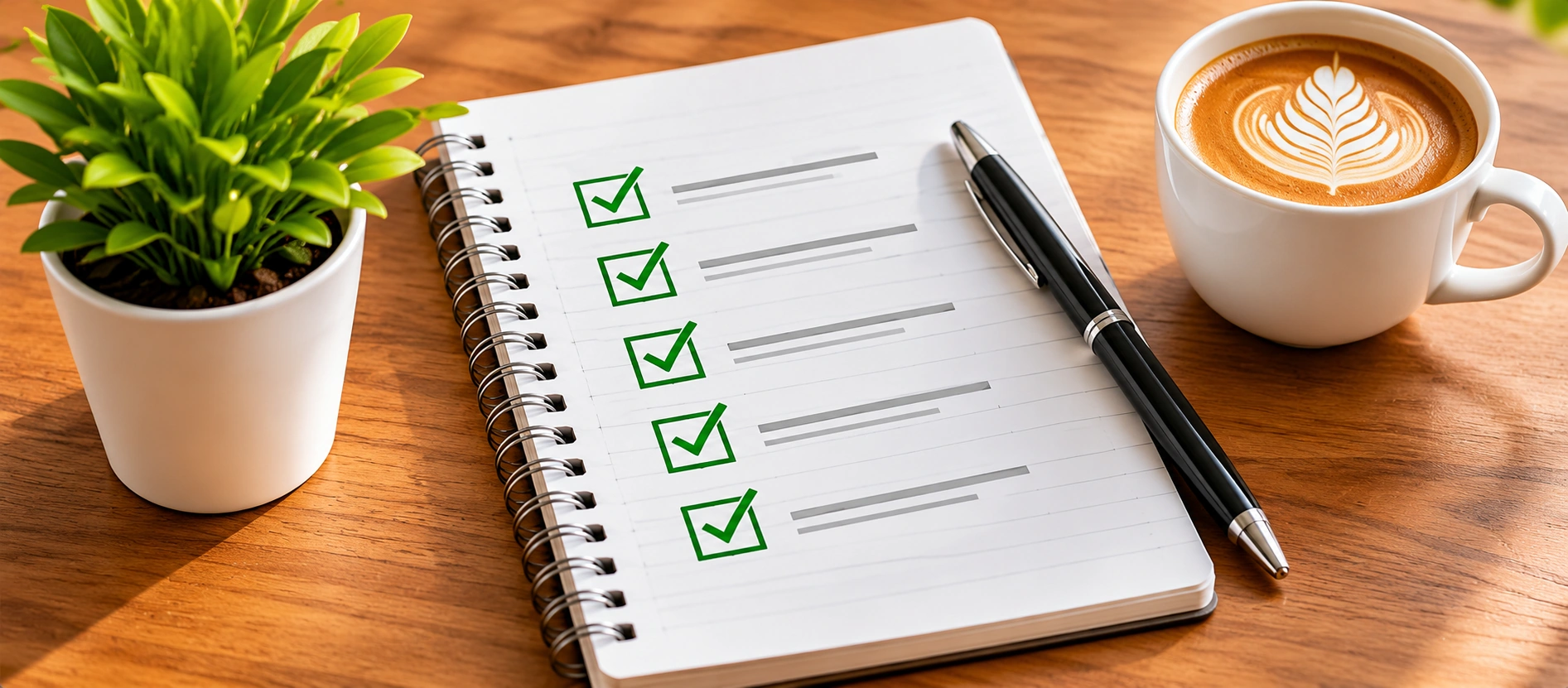
Business Profile Setup Checklist
Your Shop Profile Checklist
0 of 9 completed
Confirm your actual business name
Choose the most relevant business category
Add the correct address or genuine service area
Verify the current phone number
Enter regular and special opening hours
Take clear photographs of the real shop or products
Write a short product or service description
Review all displayed details before publishing
Check the listing periodically for outdated information
Should You Use the Same Description Everywhere?
Keep fundamental business information consistent, but adapt descriptions to each platform’s available fields.
A Google listing, social media profile and TokoGen profile may present information differently.
I recommend checking each platform’s category options and description rules rather than copying irrelevant keywords into every field.
Quick Takeaway: Creating a useful online business profile starts with accurate information and genuine photographs. Reviewing and maintaining the listing is just as important as the initial setup.
What Common Online Business Profile Mistakes Should Shop Owners Avoid?
A profile can be confusing if it contains inadequate or false information.
Common errors consist of incorrect map locations, out-of-date phone numbers, inappropriate business hours, irrelevant product pictures and overstated service descriptions.
Another error is making several deceptive listings so they can show up in different neighbourhoods.
How might these problems be avoided?
Regularly check your profile details and update the information whenever there is any major change in your firm.
Delete products that are permanently out of stock and verify that the services advertized are the same as the services offered by the shop.
When gathering consumer enquiries do not request superfluous personal information.
Fast Takeaway: False or out-of-date business information can erode confidence among customers. Regular evaluations, correct locations and honest descriptions make online profiles more helpful.
How Can You Measure Whether Your Online Business Profile Is Helping?
Profile visibility is useful, but shop owners should also understand whether it leads to relevant customer actions.
I recommend measuring enquiries and purchases rather than focusing on view counts alone.
Google Business Profile includes performance information showing how customers interact with a profile, including supported views, clicks and other actions.
Google Business Profile Help
Which Metrics Should You Track?
| Metric | What it indicates |
| Profile views | How often the listing was seen |
| Contact interactions | Attempts to contact the business |
| Direction requests | Interest in visiting the location |
| Relevant enquiries | Customers asking about products or services |
| Confirmed sales | Purchases associated with the profile |
| Customer feedback | Quality of the customer experience |
Not all platforms provide all these metrics.
Example of a Simple Monthly Record
Suppose a shop records 40 enquiries attributed to its online listings and 12 completed purchases from those enquiries.
The enquiry-to-purchase conversion rate is:
\[ \frac{12}{40}\times100=30\% \]
This is a hypothetical calculation, not a TokoGen performance benchmark or a predicted sales result.
What Should You Improve First?
If customers frequently ask for information that could be included in the profile, update the listing.
If enquiries are relevant but do not convert, examine product availability, pricing and response quality.
Quick Takeaway: Track how many relevant enquiries and completed purchases result from your business profile where attribution is possible. Views are useful context, but customer outcomes provide a stronger measure of practical value.
Frequently asked questions
What's an Online Business Profile?
An Online firm Profile is a digital listing comprising basic information about a firm such as its name, location, products, services, hours and contact information. I'd recommend you have one on the platforms your customers use. A concise listing might assist folks understand what you have to offer before they approach you.
Will buyers locate my shop via an internet business profile?
Yes. A good profile can help eligible businesses appear in relevant discovery platforms and provide important information to nearby customers. I would recommend uploading real photos, keeping the contact details up to date and selecting the relevant categories. Visibility is real, depending on the platform and client searches.
Is it possible to construct an online business profile without a website?
Yes. Many business listing platforms allow qualifying firms to register a profile without having a dedicated website. You need to think about a website if you require more specific product information or independent functionality. I would suggest you start with the basic business basics.
Is Google Business Profile free to use?
Yes. Google gives out a qualifying Business Profile for free, and does not charge for listings, while third-party services and extra advertising can cost. I would recommend going through the formal setup process and check your eligibility before creating a profile.
What images should I put on my shop profile?
Use real photos of your shopfront, interior, key items, or relevant examples of your services. I would propose good pictures that are clear and show what clients will get. Do not use unrelated stock images, misleading changes and photos released without legal permission.