











An Online Business Profile for Boutiques helps customers discover a fashion store, explore its collections, check its location and contact the owner before visiting. A boutique can begin building this digital presence without developing an expensive website.
Your boutique may have beautiful sarees, designer blouses, stylish kurtis or exclusive fashion collections. You may spend hours selecting fabrics, arranging displays and helping customers find the right outfit.
But what happens when someone nearby searches online for a boutique like yours?
If your shop information is difficult to find, potential customers may never discover your collections.
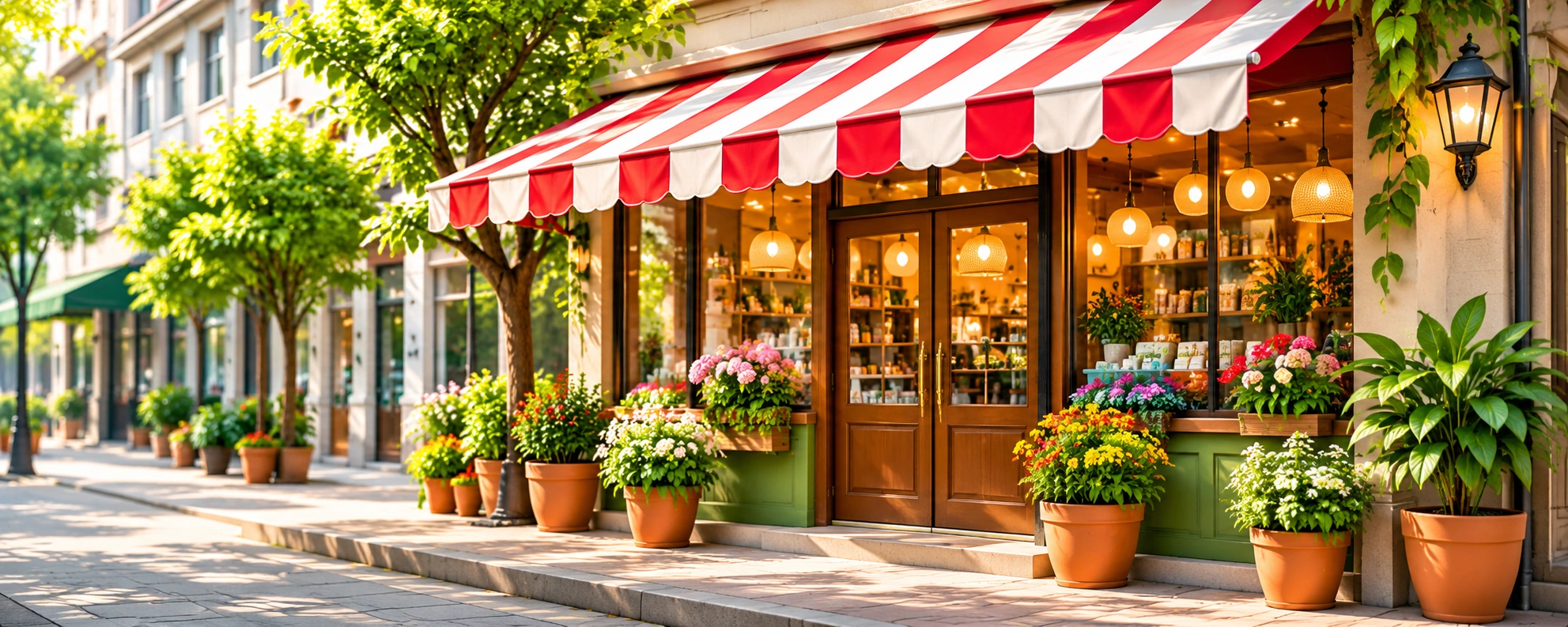
I recommend giving your boutique a digital identity that reflects its real style, services and location.
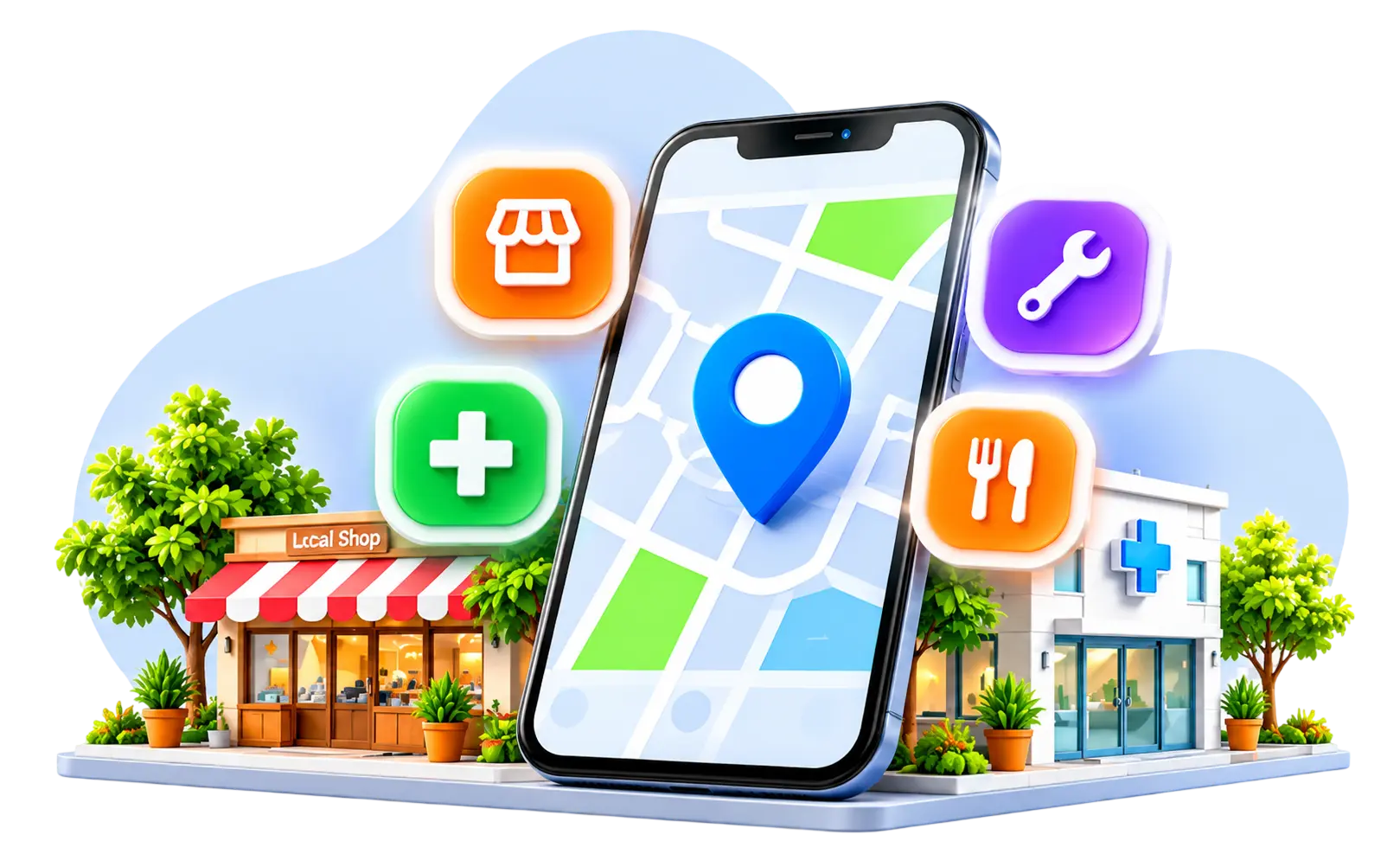
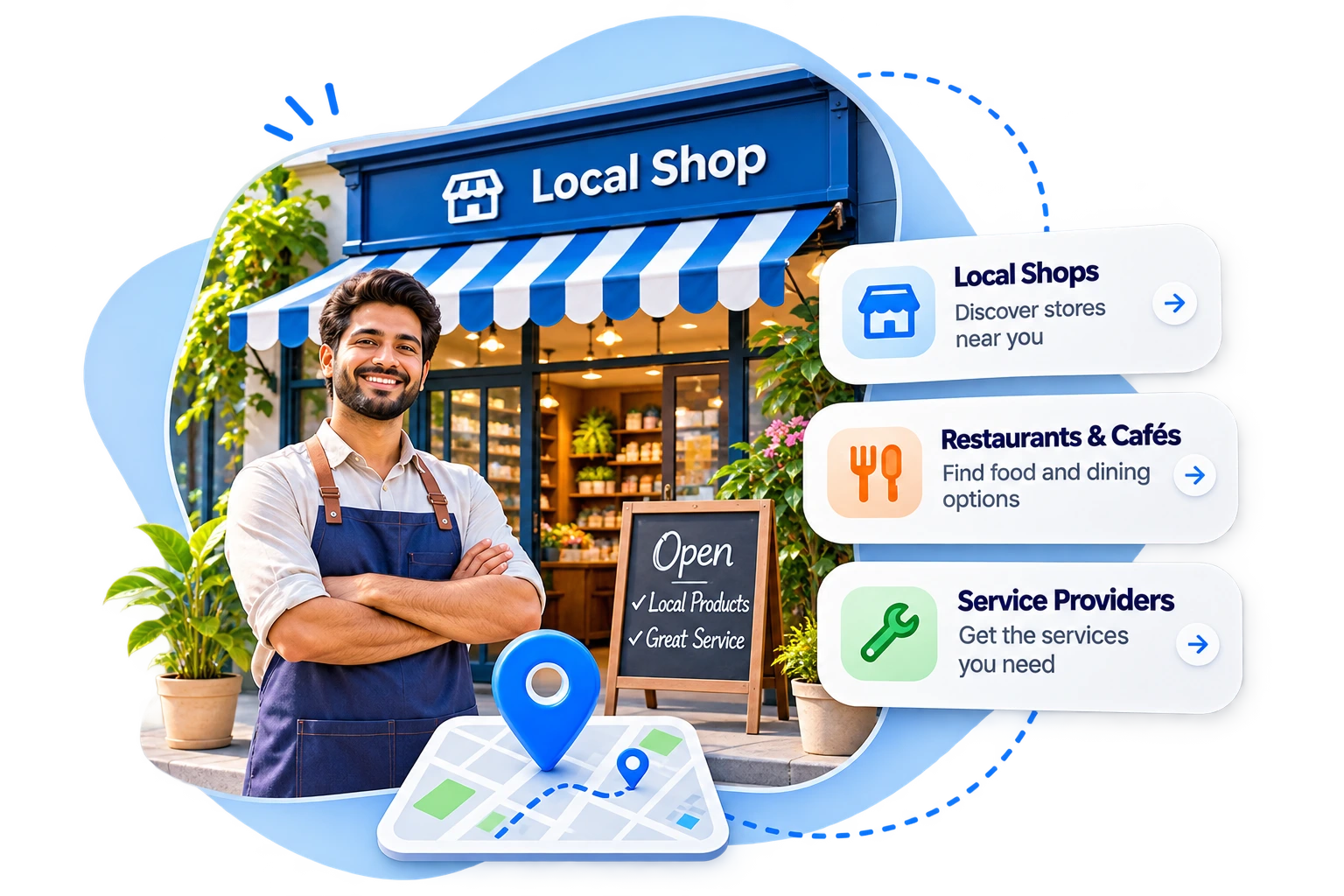
Platforms such as TokoGen introduce neighbourhood business discovery, helping people explore local shops and services.
In this guide, I explain how boutique owners can showcase their businesses online and make it easier for nearby customers to connect with them.
Why Does Every Boutique Need an Online Business Profile?
While a stunning shopfront may attract individuals passing by your boutique, an online business profile will promote your shop to customers searching digitally.
A buyer, seeking for a trendy blouse in Madurai may not know which store offers bespoke sewing.
Another customer who has been looking for ethnic wear in Chennai may want to explore adjacent clothing shops before visiting.
A good business profile helps to deliver that information.
What Does an Online Profile Describe?
It can tell you the name, location, specialisations, collection categories, working hours and customer contact choices of your boutique.
Do You Need a Web Site?
No A dedicated website can help, but it is not a must for every boutique to take the first steps online.
Start with good listings and photos of your products and then think about a website when your firm needs more functionality.
Takeaway: Quick A business profile online may be found and gives your shop a digital identity. It lets customers know what you have to offer, without needing a full e-commerce website.
How Can Nearby Customers Find Your Boutique Through Online Search?
You can search for boutiques by product categories, neighbourhood names or services.
Examples: boutique near me, designer blouse stitching, women’s boutique in Madurai, ethnic wear shop near Anna Nagar.
A full profile gives discovery platforms information about your genuine business.
How Google Local Search Works?
Google asserts that local ranking is based mostly on relevance, distance, and prominence. “Complete business information helps Google understand a business and match it with relevant searches”.
Google Business Profile Support
What do you do?
Select the right business category, ensure your location is true and describe your actual products and services.
If you are a boutique in Coimbatore, don’t claim branches in Chennai or Bengaluru to boost searches.
Could Local Discovery Platforms Help?
Platforms built around neighbourhood businesses could allow shoppers another opportunity to find suitable stores.
Actual exposure is dependent on platform coverage, category support and profile availability.
Quick Takeaways: Accurate location data and relevant company categories help make your boutique more discoverable for customers. Avoid misleading location claims or irrelevant keywords.
What Information Should Your Boutique Business Profile Include?
Customers need enough information to decide whether your shop is worth contacting or visiting.
I recommend preparing your details before creating a profile.
Essential Boutique Profile Information
| Profile element | Why it matters |
| Boutique name | Helps customers identify your business |
| Business category | Explains the type of fashion retailer |
| Shop address or qualifying service area | Supports local discovery |
| Contact number | Allows customers to enquire |
| Opening hours | Helps customers plan a visit |
| Collection categories | Explains the clothing you offer |
| Genuine shop photographs | Helps shoppers recognise your store |
| Available sizes and styles | Supports product enquiries |
| Alteration or customisation details | Clarifies additional services |
How Should You Describe Your Boutique?
A useful example is:
A women’s fashion boutique in Madurai offering kurtis, sarees, designer blouses and selected ethnic wear, with custom stitching available for supported designs.
Use only products and services your shop genuinely provides.
I recommend keeping descriptions short and easy to understand.
Quick Takeaway: Your boutique profile should help customers identify the shop, understand its collections and make contact. Accurate details are more useful than exaggerated promotional claims.
How Can You Showcase Your Boutique Collections Through Real Photographs?
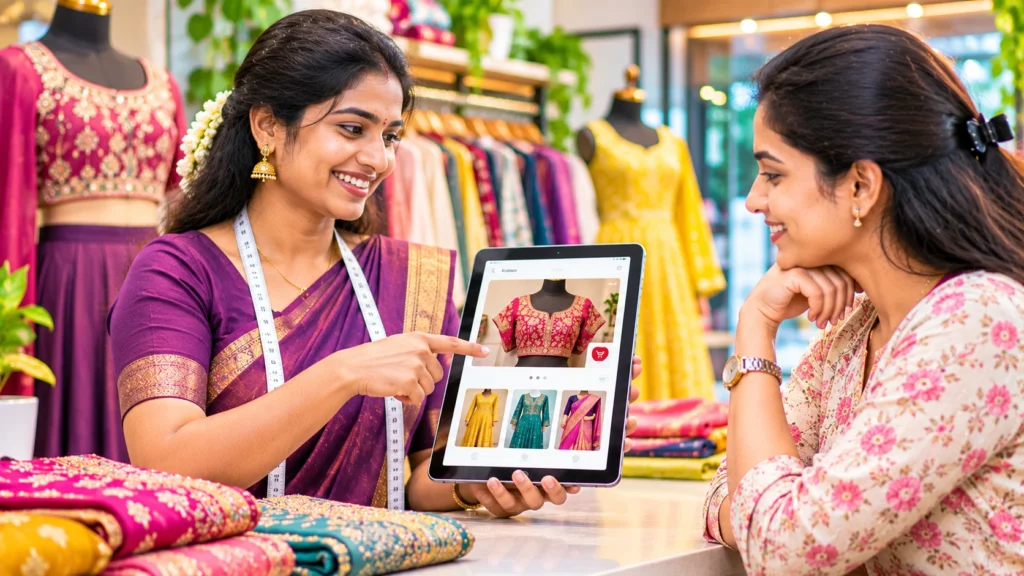
Fashion is very visual. They want to see colours, materials, patterns and fitting styles before they decide to come.’
I would consider taking photos of your own collections, rather than just using supplier or stock imagery.
How To Make Clothing Photos More Helpful?
Show the clothing from several angles. Photograph details like embroidery, sleeves, necklines and fabric texture.
Use natural, balanced lighting to render colours as precisely as feasible.
Which Product Specifications Should You Include?
Include available sizes, type of fabric, colour options, costs where relevant and whether adjustments are offered.
A buyer seeking for a silk blouse will have different needs from a buyer looking for a casual cotton kurti.
Google suggests to use representative product photos that will enable customers to comprehend the things a firm offers.
Google Business Profile Support
Quick takeaway: Real fashion photos can familiarise visitors with your selections before they come. The quality of your enquiries can be improved by including real photos, the correct colours and relevant product information.
Can Boutique Owners Build an Online Presence Without a Website?
Yes. Small boutiques can begin with suitable business profiles, product catalogues and social media accounts.
Each channel has a different purpose.
| Platform | How it can help a boutique |
| Google Business Profile | Help eligible stores appear on Google Search and Maps |
| WhatsApp Business | Display clothing catalogues and communicate with interested customers |
| Share outfit photographs, videos and new collections | |
| Publish shop information and relevant updates | |
| TokoGen | Explore supported local business discovery and profile options |
| Dedicated website | Provide a more independent digital presence when needed |
How Can WhatsApp Business Help?
With WhatsApp Business you may create catalogues to show your products and send specific catalogue items to your consumers.
WhatsApp Business
A boutique might classify things like kurtis, sarees, designer blouses and other available categories.
What About Instagram?
Instagram can also be used to showcase styling suggestions, new arrivals and garment specifics.
I would recommend adding useful information consistently, rather than just posting discount notifications.
Does Every Boutique Need to Be on All Platforms?
No. Start with the channels that are important to your clients, and that you can consistently keep up with.
Quick Takeaway: A boutique can have an online presence that is functional without having a website. Social media and local discovery sites, Google and WhatsApp can play complimentary roles.
How Can Customer Reviews Help Your Boutique Build Trust?
When the store is a new fashion store, customers may have some hesitancy to go.
Honest feedback can let them see how other consumers have found the quality of the product, the fit, the service and the delivery promise.
How to Request Feedback?
Ask customers to submit honest experiences after purchase or after they complete a stitching order.
Do not force them to give good ratings.
Are you able to share customer photos in outfits?
Yes, if authorised.
A real photograph of a customer wearing a custom suit can show fitting and design quality, but permission should be secured before sharing.
How To Handle Negative Feedback?
Please reply professionally and explore any legitimate complaints.
For example, if multiple clients claim that blouses are fitting inconsistently, examine your measuring and fitting practices.
Reviews should be used to indicate areas for improvement, not simply to rack up five-star ratings.
Fast Fact: Honest reviews can assist unfamiliar clients to assess your boutique. Customer input is most beneficial when it results in better products, fit and service.
How Can TokoGen Help Boutique Owners Connect With Nearby Customers?
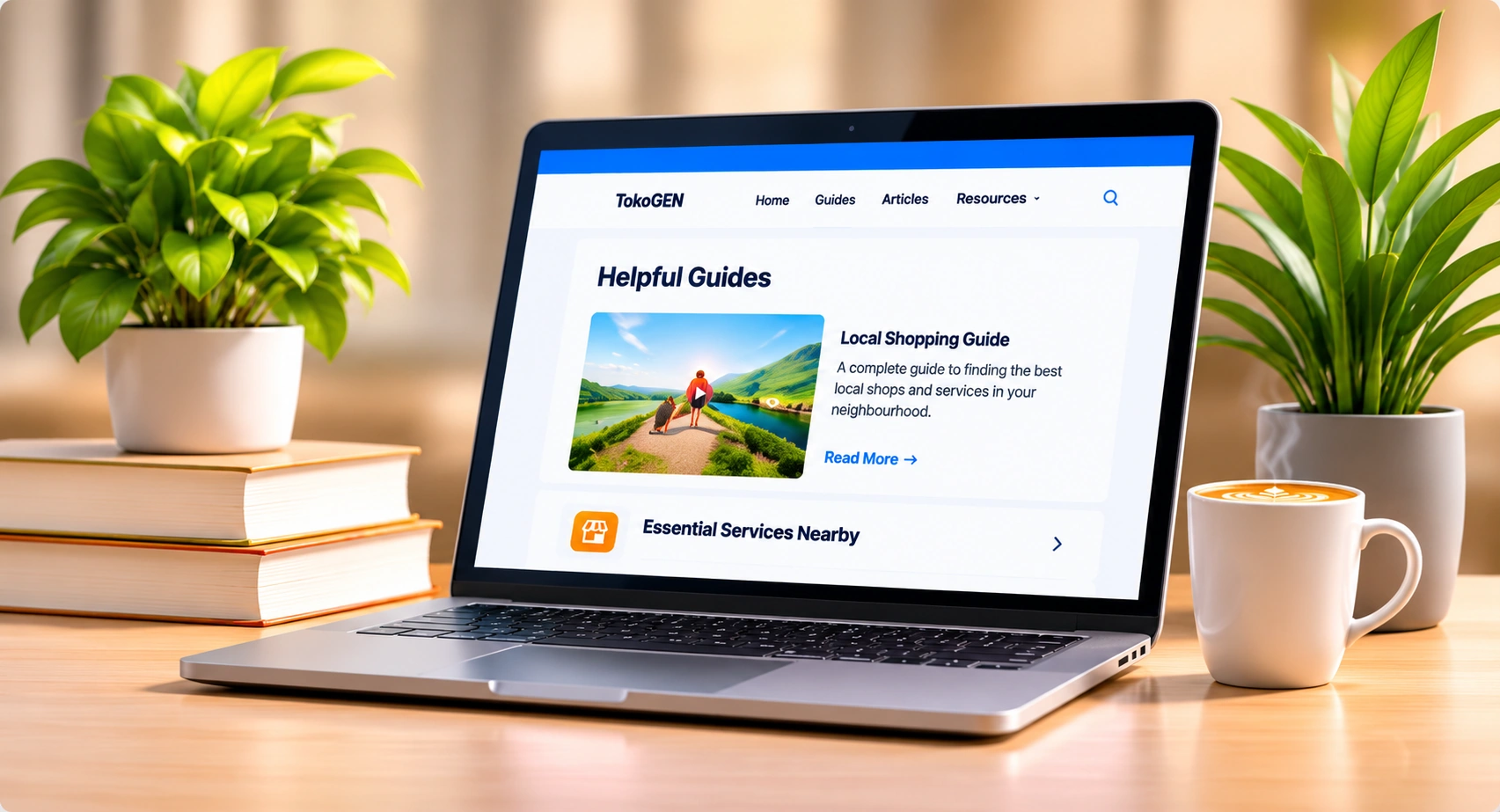
TokoGen says it is a neighbourhood-based way to find shops, products and local services.
On its official website it presents business profiles and a journey for owners to prepare shop specifics, review information and discover a business workspace.
Local Connect
What does this mean for boutique owners?
A boutique could sell unique clothing, alterations or bespoke designs that people in the area don’t know about.
A good business profile might make information about such services easier to discover.
What a Boutique Owner Must Prepare?
Good beginning point is the actual business name, category, location, contact data, images and descriptions of the main clothing lines.
Can customers directly buy clothes from TokoGen?
Shopping and Service journeys are showcased as product previews on TokoGen’s website. The landing page itself does not manage orders, payments or delivery, therefore current app functioning has to be checked individually.
Local Connect
Before you start counting on the platform for sales, my advice would be to check the supported fashion business category and the registration alternatives available.
Hot Tip: Another local business discovery channel to check out is TokoGen. Boutique proprietors should have correct profiles and monitor listing and transaction characteristics currently .
How Can You Create an Online Business Profile for Your Boutique?
I recommend preparing a simple checklist before registering on a business platform.
Boutique Profile Setup Checklist
0/8 completed
Confirm your boutique name and relevant category
Check your actual shop address or eligible service area
Add a working business contact number
Enter correct opening hours
Photograph your boutique and best collections
Describe available clothing and tailoring services
Review your profile before publishing
Update collections and information when they change
Should You Use Your Boutique Logo?
You can use your genuine business logo where supported, but clear product photographs should also be included.
How Often Should You Update Your Profile?
Review your details whenever opening hours, contact information, services or main product collections change.
I recommend removing outdated claims about availability and seasonal collections.
Quick Takeaway: Creating a boutique profile begins with accurate information, real photographs and useful descriptions. Keeping the profile current is just as important as completing the initial setup.
What Common Mistakes Should Boutique Owners Avoid Online?
An online profile might be rendered less valuable by inaccurate or incomplete information.
Typical blunders include advertising clothing that is out of stock as available, using severely retouched product colours, publishing inaccurate prices, claiming delivery locations you don’t cover and sharing photographs of customers without permission.
Another error is keeping clients waiting too long for basic size or availability information.
How Can You Avoid Those Problems?
Keep business details uniform across all platforms.
Make sure product photos are true to the real clothing. Agree on any pricing or customisation terms before accepting orders.
I suggest you delegate the checking of messages and updating of collection data.
TL;DR: A good boutique profile needs a true fashion picture, realistic stock information and reliable answers. Deceptive product claims and obsolete company information.
How Can Boutique Owners Improve Online Visibility in 30 Days?
A simple four-week plan can help a boutique establish its digital identity without committing to expensive advertising.
| Week | Main focus | Recommended activities |
| Week 1 | Business identity | Prepare shop details, category, location and contact information |
| Week 2 | Collection photography | Photograph clothing and write clear product descriptions |
| Week 3 | Local visibility | Create or improve eligible listings and relevant social profiles |
| Week 4 | Customer enquiries | Review messages, customer questions, profile accuracy and completed sales |
How Can You Measure Progress?
Track enquiries from different channels, requests about sizes or collections, store visits attributed to online discovery and completed purchases.
Example Monthly Performance
| Metric | Hypothetical result |
| New boutique enquiries | 40 |
| Enquiries about available items | 28 |
| Completed purchases | 12 |
| Average purchase value | ₹1,500 |
| Revenue from these purchases | ₹18,000 |
These figures are illustrative, not industry averages or promised TokoGen results.
I recommend calculating actual profit after merchandise, alterations, packaging, returns and operating expenses.
Quick Takeaway: A 30-day plan helps boutique owners organise their digital presence and measure customer responses. Focus on relevant enquiries and profitable purchases rather than follower counts alone.