Top 10 Grocery & Daily Essentials for Every Household
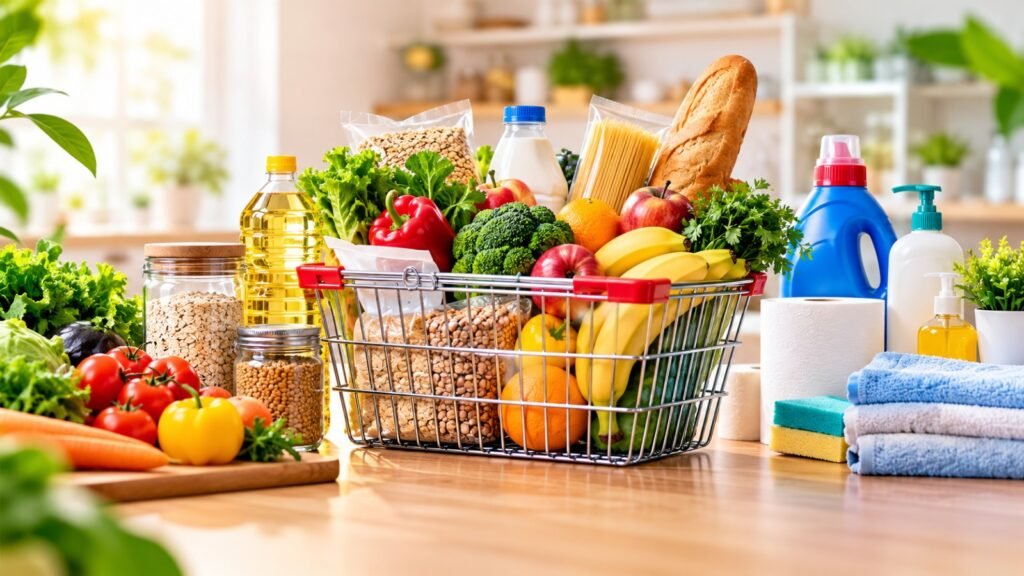
Every household needs to have a well planned list of items to purchase including fresh produce, healthy foods and staple foods. By categorising your shopping & daily essentials it will make it easier to keep on budget, limit wastage and have an abundance of food in the home.
Shopping in supermarkets or local shops, selecting the right products will simplify the preparation of everyday meals. If you know how to pick the right local grocery store to shop at, you will be able to pick products that are fresh, affordable, available & convenient.
What Are The Top 10 Grocery Items To Have In Your House?
These items will help you get your daily essentials and healthy ingredients. Let’s look at 10 items.
1. Fresh Fruits & Vegetables
They contain healthy vitamins, minerals & fibres.
Get seasonal fruits and vegetables according to how much your house consumes.
- Apples, bananas, oranges, and seasonal fruits
- Tomatoes, onions, potatoes, and carrots
- Spinach and other leafy vegetables
- Ginger, garlic, lemons, and fresh herbs
Make sure to get fresh seasonal fruits & vegetables. Buy fresh vegetable regularly.
2. Dairy & Milk
Dairy & milk products are commonly found in most houses. You can use them in drinks, breakfast, cooking & snacking.
Check the date on the packaging. Check if they need to be refrigerated and check the ingredients.
- Milk and curd
- Paneer and cheese
- Butter and ghee
- Unsweetened yogurt
If your house is dairy free, there are some good fortified plant-based options.
Buy what your house consumes and ensure they are refrigerated.
3. Eggs
Eggs are a versatile item to add to your shopping. You can use them for breakfast, lunch & dinner.
Add eggs to your shopping list if they are suitable for your house.
- Boiled eggs for breakfast
- Omelets and scrambled eggs
- Egg curry
- Baking and meal preparation
Check packaging, expiry and storage.
They are a great source of protein and can be used in many everyday recipes.
4. Meat & Poultry
They are a common source of protein for non-vegetarian households. Choose items from shops that handle the items hygienically and are refrigerated.
- Chicken
- Mutton
- Lean meat cuts
- Frozen poultry products
Ensure raw meat is kept separate from ready to eat items.
Only buy what you need. Handle safely, keep refrigerated and cook safely.
5. Fresh Seafood
Seafood provides protein and also some helpful nutrients depending on type (omega 3’s).
Choose a reputable seller. Ensure they are fresh and kept chilled.
- Fish
- Prawns
- Crab
- Frozen seafood
Ensure seafood is kept chilled whilst transporting. Refrigerate or freeze.
Choose seafood that has been stored correctly. Plan to buy fresh items.
6. Rice, Grains & Pulses
These are a staple in a lot of households. The great thing about these is that most dry varieties will last you a while so its great to include when making a shopping list each month.
- Rice
- Wheat Flour
- Toor/Moong Dal
- Chickpeas
- Lentils
- Oats
- Millets
I would recommend storing grains and pulses in a clean dry airtight container. Store your staple grains and pulses depending on how often you cook with them and how much space you have.
7. Spices & Dried Fruit
Spices and dried fruits can add extra flavour and texture to your everyday food. I would recommend keeping some of your most used spices in stock. Some staples to keep:
- Turmeric
- Cumin
- Pepper
- Coriander
- Chilli Powder
- Almonds
- Cashews
- Raisins
- Cardamom
- Cinnamon
Make sure to compare the quality of the packaging, ingredients and quantity. Keep your staple spices and dried fruits to hand.
8. Organic & Health Food
If you have specific dietary requirements then you can find alternatives to your usual foods at organic stores and health food shops. I would recommend looking at the nutritional value, ingredients and proper certification. Some staples to look out for:
- Certified Organic Grains
- Wholegrain Cereals
- Seeds & Nuts
- No Added Sugar
Look for healthy foods based on the nutritional values, quality and price.
9. Coffee & Tea Powder
These are a common staple in a lot of households. Choose your coffee/tea based on your taste, how much you use, freshness and quality of packaging. Some common choices:
- Filter Coffee Powder
- Instant Coffee
- Black Tea
- Green Tea
Store in an airtight container away from moisture and strong smells. Buy in sensible quantities to keep your tea/coffee flavours intact and avoid wasting money.
10. Packaged Drinking Water
Drinking water is a staple in everyday life. Packaged water can be helpful if you are travelling, in an emergency or do not have safe drinking water. Make sure to check the seal, brand information and any quality certifications. If there are safe drinking water systems in place then you could look into using reusable containers to reduce packaging waste. Make sure to prioritise having safe drinking water and purchase according to your actual needs.
How Can You Create a Budget-Friendly Grocery Shopping List?
I recommend organizing purchases according to how frequently products are consumed.
| Grocery Category | Suggested Shopping Frequency |
| Fruits and vegetables | Weekly |
| Dairy and milk | Daily or as needed |
| Eggs | Weekly or as needed |
| Meat and seafood | Weekly or as needed |
| Rice, grains, and pulses | Monthly |
| Spices and dry fruits | Monthly or as needed |
| Tea and coffee | Monthly |
| Drinking water | Based on consumption |
These are planning suggestions, not fixed requirements.
Before visiting a store, I recommend checking existing supplies, planning meals, comparing unit prices, and setting a spending limit.
A category-based grocery list improves shopping efficiency and helps control unnecessary purchases.
Buy Groceries Weekly or Monthly?
I would say a combination of weekly shopping for some things, and monthly for others.
Week’s Shopping List:
It is a good idea to do your weekly shop for fresh produce like fruit, veg, milk, eggs and fresh protein.
Shopping Monthly
Items available on a monthly basis include rice, pulses, cooking oils, spices, pre-packed items and cleaning items.
Only buy in bulk if you can get a discount on each item and if the items can be safely stored and used.
Whether you shop weekly or monthly it will help you get the most out of your ingredients.
How to Choose the Best Supermarket/Grocery Store:
Choosing the right supermarket/grocery store may not be as simple as choosing the cheapest.
I would investigate:
- Quality and freshness of products.
- Buying the essentials.
- Clear pricing and cost per unit
- Food safety and sanitation.
- Hours and convenience.
- Easy pick-up/delivery options.
The U.S. The Food and Drug Administration recommends that you put perishable groceries in the refrigerator immediately and keep them at the proper temperature to ensure your food is safe.
Pick your grocery stores on the quality of their products, their price, convenience and safe handling.
Conclusion:
Knowing exactly what groceries and essentials you need can help your household stay on top of what they need. When purchasing some fresh foods and monthly pantry items you can be assured you are getting the best quality. It is also a good idea to compare the local stores.
For more tips on how to compare local shops, check product details and make sure you have collection/delivery options, check out our local shopping and product discovery guide from Tokogen.