






Yes, your Grocery Shop can compete with quick-commerce platforms in 2026 by combining personal customer relationships, convenient digital ordering, competitive everyday pricing and products that match local needs.
Apps such as Blinkit, Zepto and Swiggy Instamart have changed how customers purchase groceries. Instead of visiting a store for every household requirement, shoppers can order everyday essentials through their smartphones and receive deliveries quickly in supported areas.
But this does not mean neighbourhood grocery stores have lost their value. Local shops continue to offer familiar service, flexible purchases and products selected for their communities.
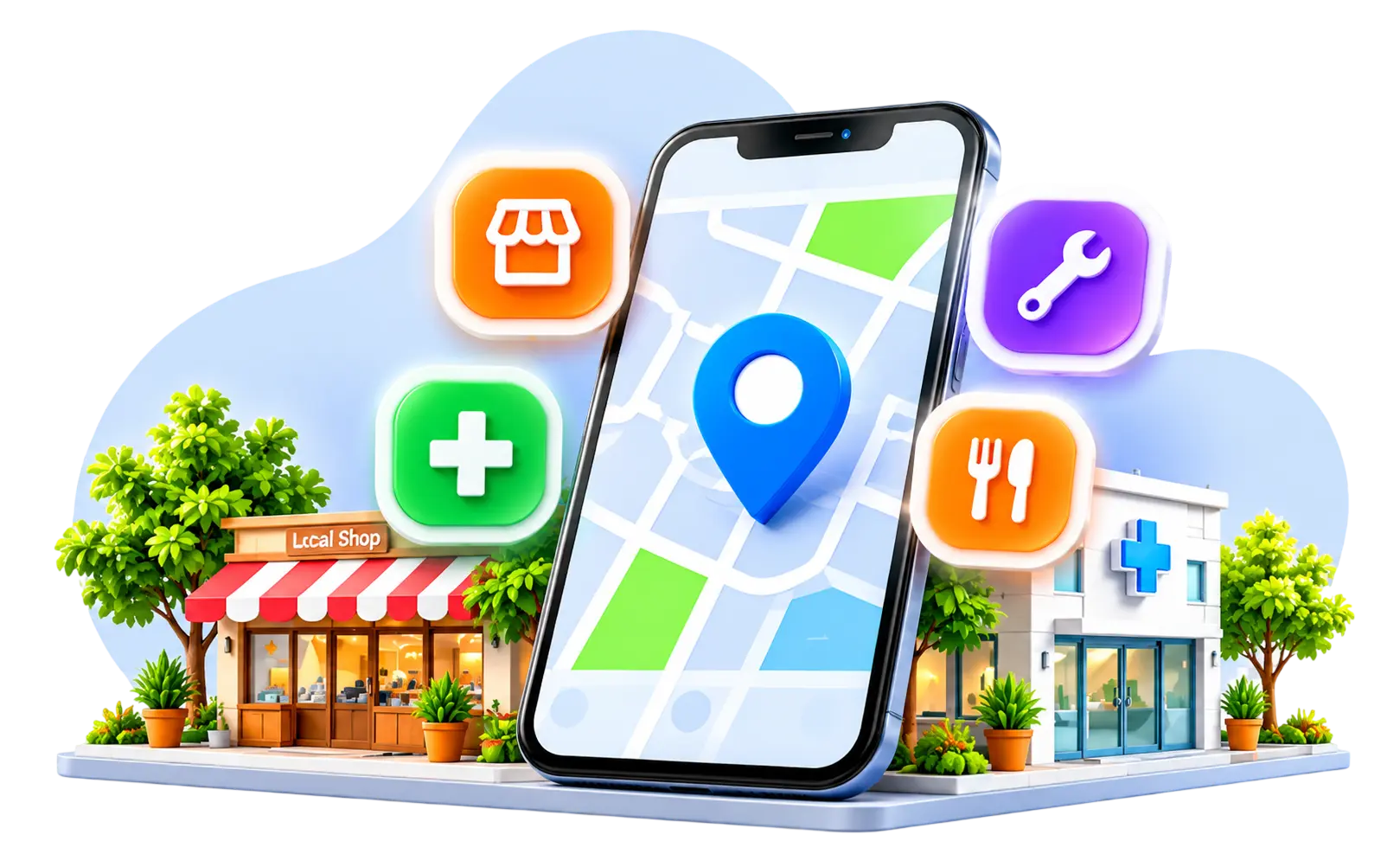
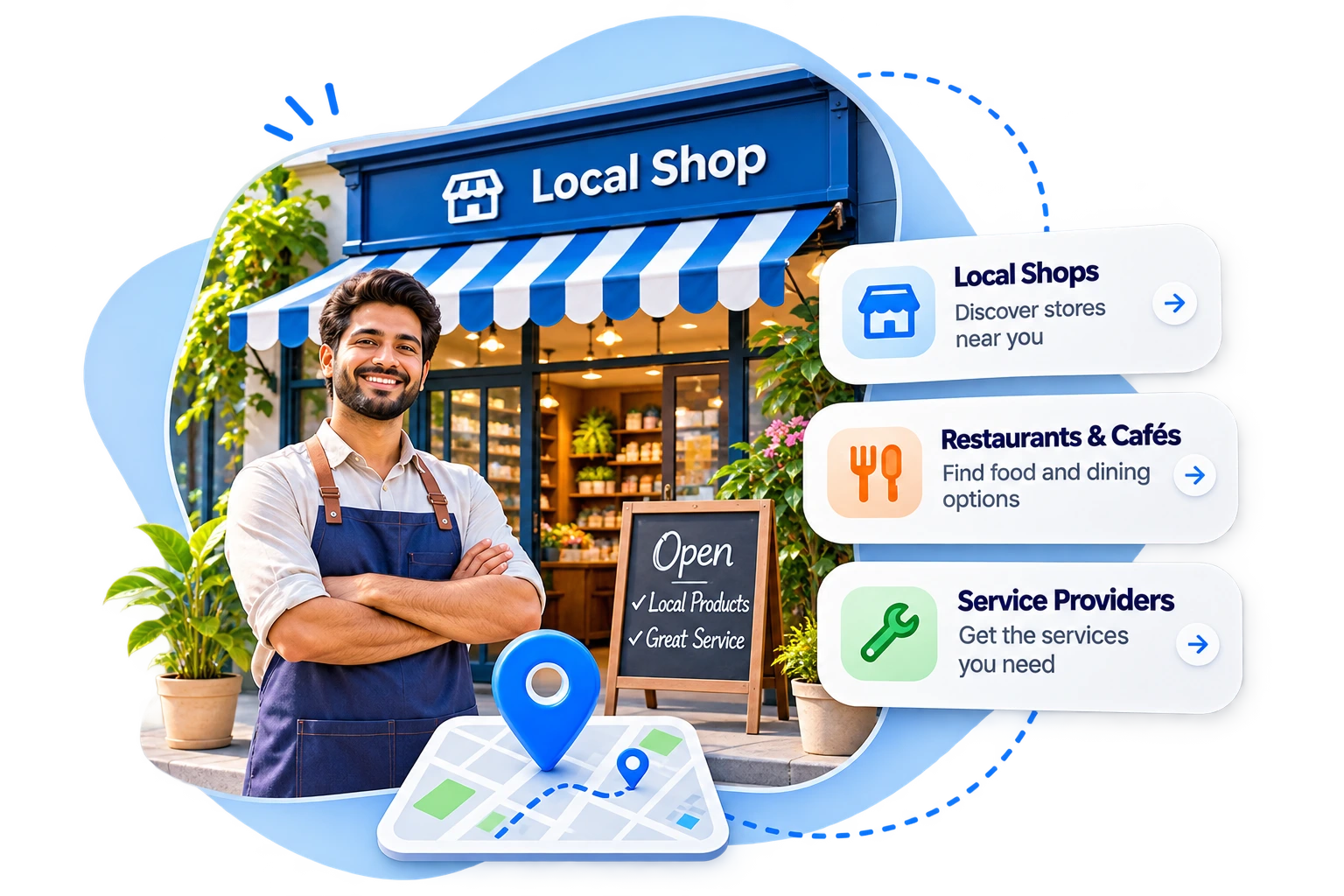
I recommend making your grocery shop easier to discover and contact through digital channels. For example, TokoGen is a local business discovery platform that owners can explore for presenting shop information to nearby customers.
In this guide, I explain how small grocery businesses can adapt, compete and grow without trying to copy every feature of large delivery platforms.
Why Is Quick Commerce Changing Grocery Shopping in 2026?
Quick commerce is changing customer expectations around convenience, product availability and ordering.
Customers increasingly value the ability to check products, compare prices and place orders without visiting a physical store.
According to Redseer’s October 2026 research, India’s quick-commerce market has grown substantially, and its next stage may involve larger household grocery purchases alongside smaller urgent orders.
Redseer Strategy Consultants
What Does This Mean for Grocery Owners?
Traditional grocery shops may face increased competition in fast-moving products such as packaged snacks, milk, beverages and household essentials.
However, customer preferences still vary by location, income, product category and shopping frequency.
I recommend observing which purchases customers are shifting online rather than assuming that every product faces the same level of competition.
Quick Takeaway: Quick commerce is raising expectations for speed and convenience, but its impact differs across customer groups and locations. Grocery shop owners should adapt to changing buying habits while retaining the strengths of neighbourhood retail.
Can a Small Grocery Shop Really Compete With Blinkit and Zepto?
Yes, but competing effectively does not mean copying their entire business model.
Quick-commerce platforms benefit from technology, established delivery operations and large product networks. Small shops may have advantages in customer familiarity, flexible service and locally relevant products.
Grocery Shop vs Quick Commerce in 2026
| Feature | Local Grocery Shop | Quick-Commerce Platform |
| Customer relationship | Direct and personal | Primarily app-based |
| Ordering | Walk-in, phone or WhatsApp | Mobile app |
| Delivery | Depends on shop capacity | Fast in supported areas |
| Product selection | Adapted to local preferences | Selected platform catalogue |
| Small quantities | Often flexible | Depends on listed pack sizes |
| Payments | Cash, UPI and other accepted methods | Digital and available platform methods |
| Customer assistance | Direct interaction | Platform support |
| Monthly household shopping | Can provide personalised lists | Increasingly supported |
I suggest improving the areas where your shop already performs well rather than spending heavily to match app-based delivery times.
Quick Takeaway: Small grocery shops can compete through personalised service, relevant stock and convenient ordering. The goal is to provide dependable neighbourhood shopping rather than imitate every quick-commerce feature.
What Advantages Does a Local Grocery Shop Have Over Quick Commerce?
Neighbourhood grocery shops have advantages that come from regular customer interactions.
1. Personal Customer Relationships
Shop owners may know which products regular customers prefer, which brands they purchase and when they usually shop.
This familiarity can make purchasing more convenient.
2. Local and Regional Products
A grocery shop can stock products that reflect neighbourhood preferences, including regional food ingredients, locally popular snacks and specific household essentials.
3. Flexible Purchase Quantities
Where appropriate and compliant with applicable packaging and food safety rules, shops may offer selected products in smaller quantities.
4. Direct Customer Assistance
Customers can ask questions about products, inspect suitable items and discuss availability directly with the shopkeeper.
5. Convenient Monthly Shopping
A family can provide its regular household grocery list and arrange pickup or scheduled delivery.
I recommend building on these practical advantages rather than competing through discounts alone.
Quick Takeaway: Trust, familiar service, locally relevant products and convenient household purchasing can differentiate a grocery shop. These advantages become more valuable when combined with organised digital communication.
How Can Grocery Shops Attract Customers Without 10-Minute Delivery?
Not every customer requires instant delivery.
Some prefer predictable delivery, accurate orders and reasonable charges.
Offer Scheduled Neighbourhood Delivery
I recommend testing delivery within a manageable service area.
For example, a store could offer evening delivery for orders received before a specified cut-off time.
The shop should communicate realistic delivery windows rather than guarantee speeds it cannot maintain.
Accept Grocery Orders Through WhatsApp
Customers could send a typed grocery list, product photographs or a voice message.
The shopkeeper can confirm product availability, prices, possible substitutions and delivery charges before preparing the order.
Introduce Store Pickup
Allow customers to place orders in advance and collect packed groceries at a convenient time.
This saves waiting time without requiring delivery staff.
Quick Takeaway: Grocery shops do not need 10-minute delivery to improve convenience. WhatsApp ordering, scheduled delivery and advance pickup can simplify purchases while keeping operating costs manageable.
How Can I Make My Grocery Shop Easy to Find Online?
Digital visibility helps customers discover a shop before visiting or placing an order.
I recommend creating complete and accurate business profiles.
Use Google Business Profile
An eligible grocery shop can maintain its location, opening hours, contact information and photographs on Google Search and Maps.
Keep the business details current, especially during holidays or changes in operating hours.
Explore Local Business Discovery Platforms
A grocery shop should make essential details easy to access, including:
- Shop name and address.
- Product categories.
- Opening and closing times.
- Contact number.
- Accepted ordering methods.
- Delivery availability, where offered.
Owners can explore TokoGen’s business tools as a potential option for presenting business information, subject to confirming current listing availability.
Use Social Media Selectively
Share useful information such as new stock arrivals, seasonal products, opening hours and genuine special offers.
Avoid publishing repetitive advertisements that provide little value.
Quick Takeaway: Online visibility begins with accurate business information. Google, business discovery platforms and simple social updates can help nearby shoppers find and contact a grocery store.
What Products Should Grocery Shops Focus On in 2026?
Product selection can influence customer loyalty as much as delivery speed.
I recommend identifying the items that nearby households purchase regularly and looking for products that are difficult to find conveniently elsewhere.
Focus on Everyday Essentials
Maintain dependable stock of frequently purchased items such as rice, pulses, cooking oil, flour, dairy products and household supplies.
Include Local Favourites
Stock regionally popular products when there is genuine demand.
Examples include traditional snack brands, local spices and specific cooking ingredients.
Evaluate Fresh Products
Vegetables, fruits and other perishable items may attract regular visits, but they require suitable storage, quality control and careful stock planning.
Track Fast-Moving and Slow-Moving Stock
Review which products sell consistently and which remain unsold for long periods.
Reducing unnecessary inventory can free working capital for more relevant products.
Quick Takeaway: Grocery shops should build their product range around local demand, everyday essentials and profitable speciality items. Careful inventory management helps reduce waste and improve availability.
How Can I Keep Grocery Customers Coming Back Regularly?
Repeat customers are essential for stable grocery revenue.
I recommend focusing on convenience, trust and consistent service rather than relying only on promotional discounts.
Introduce Monthly Grocery Lists
Offer regular households the option to share or reuse their monthly shopping lists.
Confirm prices and availability before preparing each order.
Maintain Accurate Customer Records
With consent, record useful information such as preferred contact methods and recurring product requirements.
Keep personal information secure and avoid unnecessary data collection.
Build Customer Loyalty
Consider small, sustainable benefits for repeat customers.
These might include convenient collection slots, priority notification of relevant stock or limited loyalty rewards.
Handle Complaints Promptly
Respond professionally when products are damaged, unavailable or supplied incorrectly.
A clear replacement or refund policy helps customers understand what to expect.
Quick Takeaway: Repeat customers value predictable service, convenient ordering and accurate fulfilment. Strong relationships can help grocery businesses retain households even when shoppers also use quick-commerce apps.
How Can I Compete Without Cutting My Grocery Prices?
Price competition can be difficult for businesses operating on narrow margins.
Instead of discounting everything, I suggest understanding where customers compare prices most closely and where additional service creates value.
Compare Important Everyday Products
Review the prices of frequently purchased essentials against nearby alternatives.
Use these comparisons to identify reasonable pricing adjustments.
Create Useful Grocery Bundles
A shop could assemble a monthly essentials package, breakfast bundle or festival grocery kit.
Bundles should contain genuinely useful products and transparent prices.
Understand Delivery Costs
Consider an illustrative local delivery order:
| Item | Example amount |
| Grocery order value | ₹500 |
| Cost of goods sold | ₹440 |
| Gross margin | ₹60 |
| Packing and delivery cost | ₹25 |
| Remaining contribution | ₹35 |
This hypothetical ₹35 contribution is before rent, other operating expenses and taxes. It is not guaranteed profit.
I recommend using calculations like this before offering free delivery or discounts.
Quick Takeaway: Grocery shops can compete on dependable service and fair value without cutting every price. Owners should evaluate product margins and delivery costs before introducing promotional offers.
What Mistakes Should Grocery Shop Owners Avoid in 2026?
Adapting to quick commerce does not mean adopting every new technology or promotion.
Common mistakes include:
- Trying to promise 10-minute delivery: Unrealistic timelines can lead to late orders and unhappy customers.
- Copying every competitor discount: Frequent price reductions can damage margins.
- Ignoring customer enquiries: Slow or unclear responses make ordering difficult.
- Stocking too many unpopular products: Excess inventory increases working capital requirements.
- Neglecting product quality: Damaged packaging, expired goods and poor storage can destroy trust.
- Offering uncontrolled customer credit: Credit arrangements require clear records and sensible limits.
- Ignoring regulatory requirements: Check applicable FSSAI registration or licensing, municipal rules, and tax obligations.
Food business operators in India must meet applicable FSSAI registration or licensing requirements. Grocery retailers should check their current category and eligibility through the official FoSCoS portal.
FSSAI+1
Quick Takeaway: Grocery owners should avoid unsustainable discounts, unrealistic delivery commitments and unnecessary inventory. Operational discipline and compliance are essential to competing sustainably.
How Can I Make My Grocery Shop Competitive in 30 Days?
A four-week plan can help shop owners introduce improvements without major upfront investment.
- Week 1 — Understand Your Customers
Identify frequently purchased products, review customer complaints, compare local alternatives and evaluate your existing prices. - Week 2 — Improve Digital Visibility
Update business information, organise WhatsApp enquiries and publish clear details about available products and ordering methods. - Week 3 — Improve Shopping Convenience
Test advance orders, scheduled pickup or limited neighbourhood delivery. Introduce an optional monthly grocery list service. - Week 4 — Measure Performance
Track completed orders, repeat customers, stock availability, delivery costs and complaints. Continue only the improvements that produce worthwhile results.
I recommend evaluating each improvement before expanding to more products, customers or delivery areas.
Quick Takeaway: A 30-day action plan helps grocery owners improve customer relationships, digital discovery and ordering convenience. Measuring real business results prevents unnecessary spending.
Frequently asked questions
Can small grocery shops survive quick commerce in 2026?
Yes. Small grocery shops can remain competitive by offering convenient ordering, relevant products, personal service and dependable pricing. I recommend focusing on neighbourhood customers and repeat purchases instead of trying to match every feature of major delivery platforms.
How can my grocery shop compete with Blinkit and Zepto?
Improve customer convenience through WhatsApp ordering, accurate stock information, scheduled delivery and advance pickup. I suggest strengthening personal customer relationships and maintaining useful local products. Competing successfully does not require offering identical delivery speeds.
Do grocery shops need their own mobile apps?
No. A dedicated mobile app is not essential for every grocery business. A clear business profile, reliable contact number and organised ordering process may provide an effective starting point. I recommend considering more advanced technology only when order volume and customer needs justify the cost.
How can I increase grocery shop sales without expensive advertising?
Focus on customer referrals, local business listings, repeat-order services and relevant neighbourhood promotions. I suggest maintaining accurate shop information and offering a dependable selection of everyday essentials. Track actual orders rather than judging success through online views alone.
Is home delivery necessary for every grocery shop?
No. Home delivery can improve convenience but may not be profitable for every business. I recommend first testing scheduled delivery within a small service area. Advance pickup is another option for customers who want to save time without paying delivery charges.