
















Logistics, Rental and Industrial Supply Businesses should prepare to join TokoGen by organizing their business information, selecting the necessary service categories, explaining their capabilities and reviewing their contact details before establishing a profile.
A transport company may be looking for enterprises with items to carry. An equipment rental company can be a good target for a construction contractor. An industrial supplier may want manufacturers to find available machines and components.
These companies provide varied services but they all have one thing in common; potential clients need to find out about them and know what they do.
I would suggest that a clear digital business presence be established outlining capabilities, service areas and how to make an inquiry.
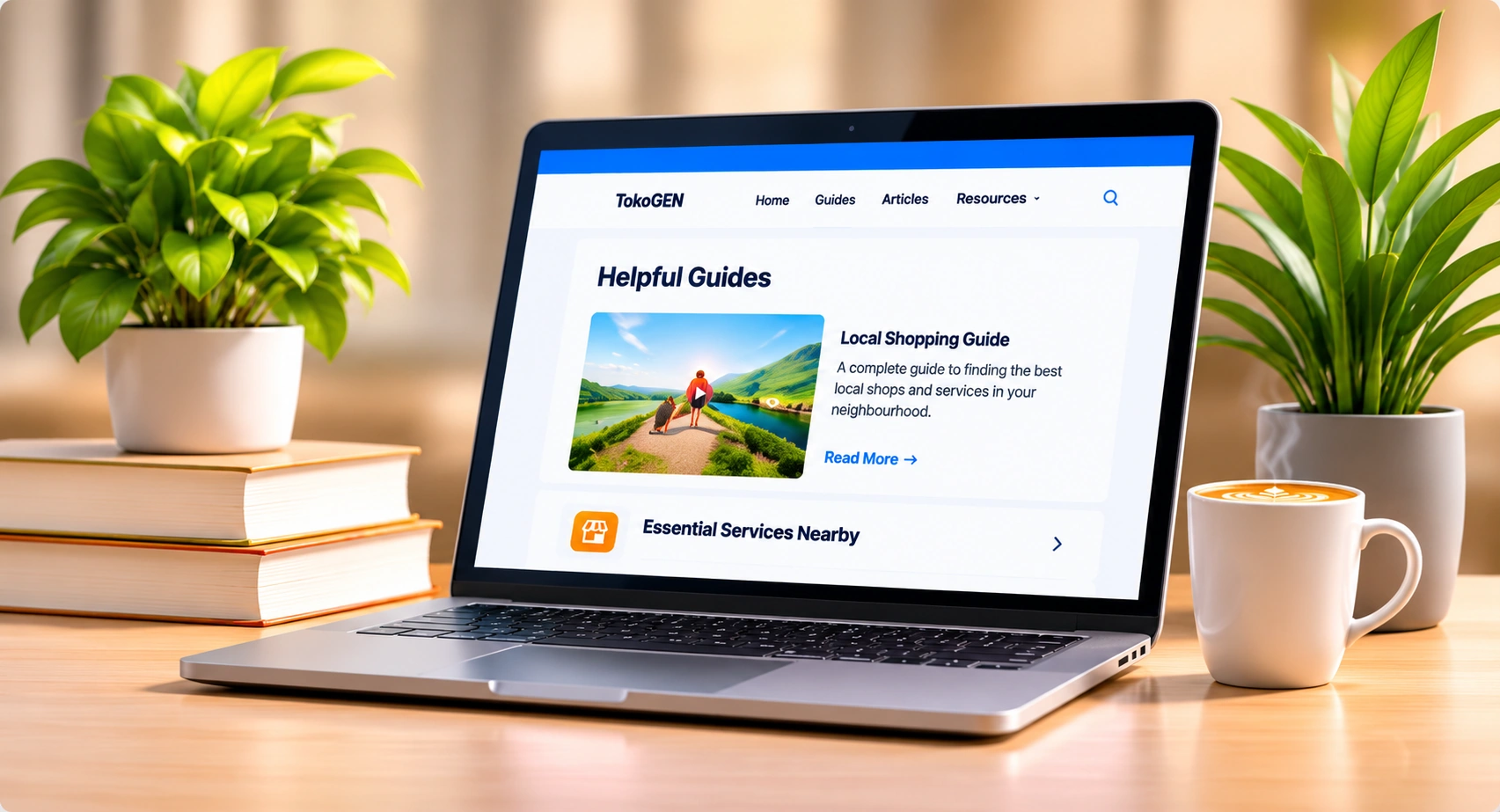
TokoGen presents a neighborhood business and service discovery experience, including a suggested onboarding journey for company owners.
In this tutorial I describe how these providers can prepare their information, examine TokoGen’s listing procedure and improve the quality of potential consumer inquiries.
Why Should Logistics, Rental and Industrial Supply Businesses Build an Online Presence?
Service providers are routinely researched by industrial buyers and commercial clients prior to contact.
They require a truck operator to make a delivery, equipment for a building project or a replacement part for a manufacturing machine.
A concise business profile might allow them to find acceptable providers.
What Are The Key Benefits?
Having an online presence allows businesses to display what kind of services they offer, where they work, what equipment they have and how to contact them.
It also helps customers decide if a provider is relevant before asking for a quote.
For example, if a company provides just local goods transportation, it should clearly indicate the area of coverage and not hint at providing freight services throughout the country.
Fast Takeaway: By being visible online, company clients can identify suppliers and learn about their offerings. Accurate service descriptions might open up for more relevant inquiries.
What Is TokoGen and How Can Businesses Explore It?
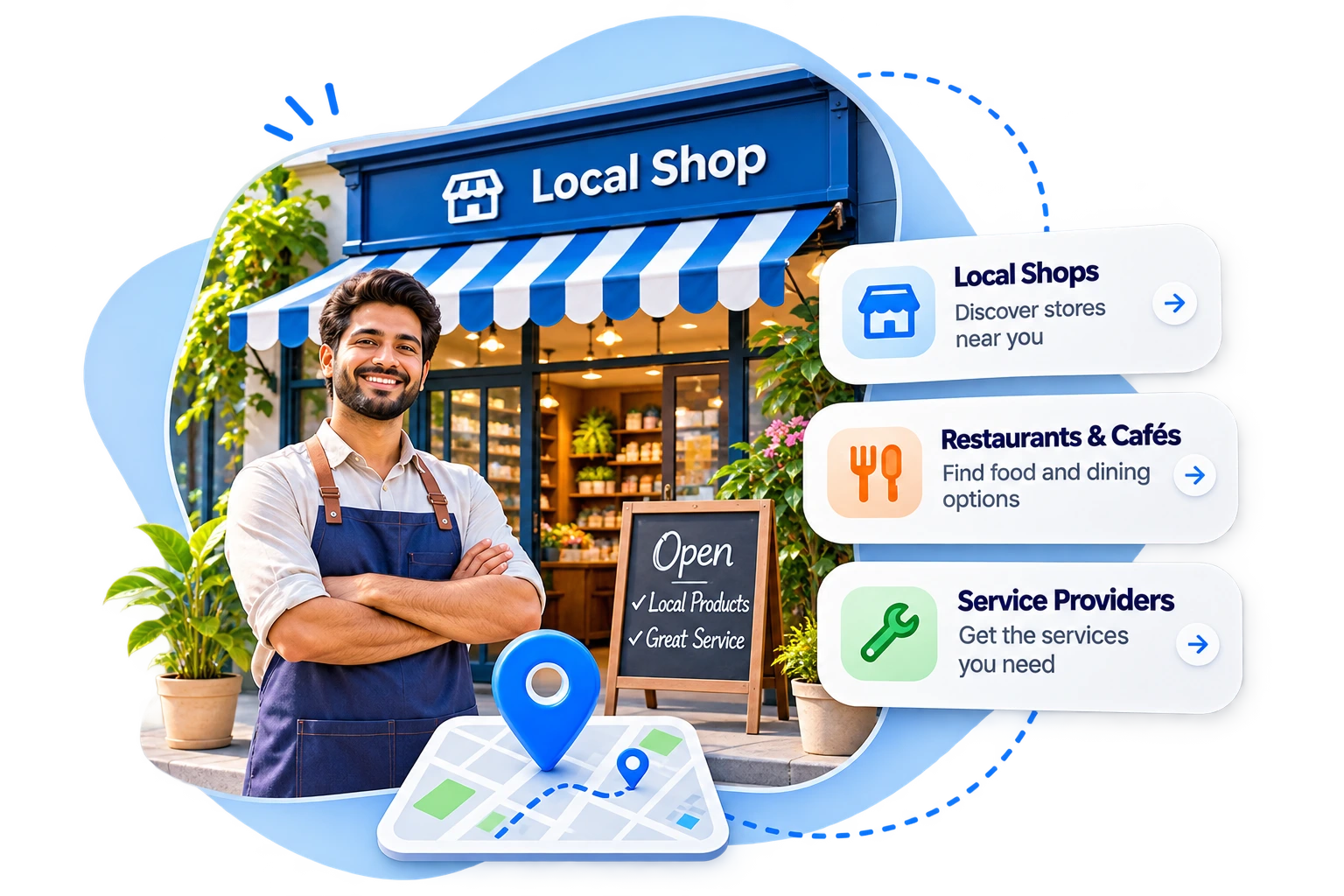
TokoGen is a local business discovery tool that connects clients to neighbourhood’s companies, products and services.
Its website outlines business profiles, service discovery and business onboarding path with profile details, optional account linking, review and dashboard access.
LocalConnect
How Will This Help Business Owners?
A company profile might be a digital introduction for a transport operator, rental firm or industrial supplier, if the relevant category is offered.
Customers benefit from access to business descriptions, service information, locations, and contact choices.
I don’t know if they have specialized services like freight quotations, equipment reservations, online procurement or payment processing. I need check the current TokoGen app.
Quick Take: TokoGen outlines a notion for business discovery, mapping out a business registration journey. Businesses in the industrial and logistics sector should check the supported categories and active capabilities while registering.
What Information Should Businesses Prepare Before Joining TokoGen?
A complete business profile begins with accurate information.
I recommend preparing the following details before attempting registration.
| Business information | Why it matters |
| Registered or trading business name | Identifies the provider |
| Relevant business category | Explains the type of service |
| Office, warehouse or service address | Helps customers understand location |
| Operating or delivery areas | Clarifies geographic coverage |
| Working contact number | Supports customer enquiries |
| Business description | Explains capabilities |
| Genuine photographs | Shows equipment, fleet or facilities |
| Available services or products | Helps customers assess relevance |
| Relevant licences or certifications | Supports verification of specific claims |
| Quotation contact process | Explains how to request information |
Should You Prepare Business Documents?
Keep relevant registration, tax, licensing, ownership or authorisation documents available where applicable.
Only submit documents required by the platform or necessary for a particular service. Never upload sensitive records publicly.
Quick Takeaway: Preparing complete, accurate business information makes listing easier. Technical service details and appropriate credentials can help customers evaluate a provider responsibly.
How Can Logistics, Rental and Industrial Supply Businesses Join TokoGen?
TokoGen Home Page TokoGen business journey includes business details, optional connections, review and dashboard access.
This is not a proven sequence of live registration buttons, but rather a practical guidance to preparation based on that route.
Step 1: Launch TokoGen
Go to tokogen.com to learn about possible company onboarding or registration options.
Step 2: Set Up Your Business Profile
Please use the business’s genuine trading name, functioning address or service area and working contact details.
Step 3: Choose the Closest Supported Category
If that option is currently accessible, pick a relevant category like logistics, transportation, equipment rental, machinery supply or industrial equipment.
Don’t pick a category that doesn’t fit only to complete the registration.
Step 4: Describe Your Services
Describe the particular services, products or rental equipment that your organization provides.
Step 5: Insert Real Business Pictures
Upload clear images of corporate cars, equipment, machinery, storage facilities or items when applicable.
Step 6: Check optional connections
Follow all account linking and verification prompts during onboarding.
Step 7: Take a look at the Business Profile
Make sure the profile is correct, then if publishing is supported, look at it as a potential client would.
I would suggest verifying the existing app to make sure the listing will be public.
Quick Takeaway: TokoGen lays out a standard onboarding path for business details, relationships, review and workspace access. Business owners can follow live prompts on the site to check category availability and publication status.
How Should Logistics Companies Present Their Services Online?
Logistics customers need to understand what goods a provider can transport and where the business operates.
I recommend presenting capabilities rather than relying on a description such as “All Transport Services.”
What Details Should a Logistics Profile Include?
A logistics operator might explain:
- Local or intercity goods transportation.
- Commercial vehicle categories.
- Supported cargo types.
- Pickup and delivery areas.
- Available fleet capacity.
- Warehousing or distribution services, if offered.
- Operating hours and enquiry arrangements.
Explain Routes and Capacity
For example, a company handling commercial deliveries between Madurai and Chennai can describe the routes it actually serves.
Avoid advertising guaranteed delivery times or specialised handling capabilities without the necessary resources.
Include Relevant Compliance Details
Transport providers should comply with applicable vehicle, driver, insurance, permit and cargo-handling requirements.
Quick Takeaway: Logistics listings should explain cargo capabilities, routes, service areas and contact arrangements. Accurate operating information helps potential customers identify appropriate providers.
How Can Rental Businesses Showcase Their Equipment?
Rental businesses need to present the items available and the terms under which customers can use them.
This applies to businesses renting construction equipment, generators, tools, event equipment or other professional assets.
What Should an Equipment Rental Listing Include?
| Listing detail | Example |
| Equipment category | Construction equipment |
| Item or model | Concrete mixer |
| Capacity or specifications | Manufacturer-rated capacity |
| Rental duration | Daily, weekly or monthly, where offered |
| Location | Equipment pickup or delivery area |
| Availability | Subject to confirmation |
| Rental terms | Deposit, transport, operator and return conditions |
| Contact | Quotation or reservation enquiry |
Use Accurate Photographs
Show the real equipment in reasonable working condition.
Explain Rental Charges Clearly
Identify whether prices include transport, operators, fuel, insurance or other charges.
I recommend explaining responsibility for damage, maintenance and late returns before completing agreements.
Quick Takeaway: Rental profiles should make equipment availability, technical details and commercial terms clear. Transparent information reduces misunderstandings and helps customers select suitable assets.
What Should Industrial Suppliers Include in Their Business Profiles?
Industrial customers often evaluate products based on compatibility, capacity and specifications.
A machinery supplier may serve engineering workshops, manufacturers, contractors or maintenance teams.
Describe Your Product Categories
Depending on the business, these might include industrial motors, pumps, compressors, machinery parts, workshop equipment and material-handling products.
Include Important Technical Information
| Product detail | Why it matters |
| Product or model name | Identifies the item |
| Manufacturer or brand | Clarifies origin |
| Specifications | Supports compatibility checks |
| Capacity and power requirements | Helps buyers assess suitability |
| Stock or lead time | Supports procurement planning |
| Warranty and support | Explains service arrangements |
| Delivery coverage | Clarifies fulfilment options |
Explain Your Supplier Status
State accurately whether you are a manufacturer, authorised distributor, independent dealer or reseller.
Do not claim manufacturer authorisation without evidence.
Quick Takeaway: Industrial supply listings benefit from detailed product descriptions and genuine technical specifications. Clear supplier information helps buyers prepare relevant enquiries.
How Can These Businesses Reach Relevant Local Customers?
Helpful business information and professional interactions with customers are most effective when paired with online listings.
Ensure Consistency of Business Information
Use the same proper trading name and contact details across all supported channels.
Use Google Business Profile Where Applicable
Google has policies for physical locations, service areas and consumer contact for qualifying storefronts and service-area businesses to have profiles.
Google My Business Help
Build the Right B2B Relationships
Logistics operators could link up with local manufacturers. The right contractors can be developed into relationships for rental companies. Industrial vendors could partner with engineering companies and procurement teams.
Post Business Updates That Educate
Publish important information on service coverage, newly available equipment or relevant stock where supported.
I would advise against mass promotions that are unsolicited.
Quick Tip: Business listings and professional networking go together hand in hand. The value of good information and targeted communication is worth more than generating irrelevant inquiries.
How Can Businesses Handle Customer Enquiries and Quotations?
A logistics booking request, equipment rental enquiry and machinery quotation each require different information.
I recommend using a simple qualification process before confirming a price.
What Should Each Business Ask?
| Business type | Useful enquiry details |
| Logistics | Pickup, destination, cargo type, dimensions or weight, preferred date |
| Equipment rental | Equipment type, duration, site location, operating requirements |
| Industrial supply | Model, technical specifications, quantity, delivery location, required date |
Prepare Clear Quotations
Include the service or product scope, price, applicable taxes, transport, exclusions, warranty or liability terms and relevant timelines.
Confirm Availability
Do not promise vehicles, equipment or inventory that has not been checked.
Keep Records
Track enquiries, quotation dates, follow-ups and confirmed jobs or purchase orders.
Quick Takeaway: Structured enquiries help businesses understand real customer requirements. Clear quotations and availability checks can reduce errors before a booking or purchase is confirmed.
What Common Mistakes Should Businesses Avoid When Joining Online Platforms?
Some mistakes can affect visibility and customer trust.
- Selecting an incorrect business category.
- Using misleading office or warehouse addresses.
- Advertising unavailable vehicles or equipment.
- Publishing incomplete technical specifications.
- Hiding important rental or delivery charges.
- Displaying inaccurate certifications.
- Uploading photographs that misrepresent products.
- Ignoring business enquiries.
- Assuming every platform offers integrated bookings or payments.
I recommend reviewing the profile regularly and checking that advertised capabilities match actual operations.
Quick Takeaway: Accurate categories, genuine photographs and transparent service terms support reliable business listings. Avoid promising features or business capabilities that have not been verified.
How Can Business Owners Prepare Their TokoGen Profiles in Seven Days?
| Day | Recommended action |
| Day 1 | Gather official business name, contact details and location information |
| Day 2 | Identify relevant business and service categories |
| Day 3 | Prepare descriptions of logistics services, rental items or industrial products |
| Day 4 | Take genuine business and equipment photographs |
| Day 5 | Review service areas, pricing information and quotation requirements |
| Day 6 | Explore TokoGen’s current business registration process |
| Day 7 | Complete supported steps and check the profile’s publication status |
I suggest measuring relevant enquiries after a listing becomes publicly discoverable.
For example, if a machinery supplier receives 20 enquiries and five are technically qualified, the illustrative qualification rate is 25%. This is a hypothetical example, not an industry benchmark.
Quick Takeaway: A seven-day preparation plan helps business owners organise their information and assess the TokoGen onboarding journey. Listing success should be evaluated through relevant enquiries and confirmed business outcomes.
Frequently asked questions
Is it possible for a logistics company to register on TokoGen?
TokoGen mentions onboarding for local businesses and service providers but a specific logistics category is not independently confirmed on its public portal. Before creating a profile I would recommend that you look at the existing registration options and see if your transport services are supported.
How do equipment rental companies get on TokoGen?
Rental companies can start by creating their trading name, contact details, equipment descriptions and service areas. I would recommend looking into the current TokoGen experience for the available company categories and registration requirements. Do not assume dedicated rental reservation or payment capability is available, confirm.
Can providers of industrial machinery list their items on TokoGen?
TokoGen describes business profiles and product discovery but independent verification of specialized industrial catalog capabilities was not undertaken. I would propose checking to see whether there is machinery supply available and preparing accurate product requirements. Never list integrated industrial procurement or RFQ processing without validation.
Apakah ada biaya untuk penyuplai logistik, penyewaan dan industry untuk bergabung dengan TokoGen?
On TokoGen’s homepage, there is an invitation to register for free, but it is not made clear that all business categories, tools or advanced features are free. Before relying on a particular service, I recommend examining the current registration terms, plan alternatives and any applicable charges.
Do these firms have to have their own websites to get on TokoGen?
There is no generic requirement stated in the public onboarding description for a separate website. I recommend to prepare accurate business facts and check actual registration fields. A separate website can still be beneficial for large product catalogs, technical manuals or thorough B2B inquiries.