














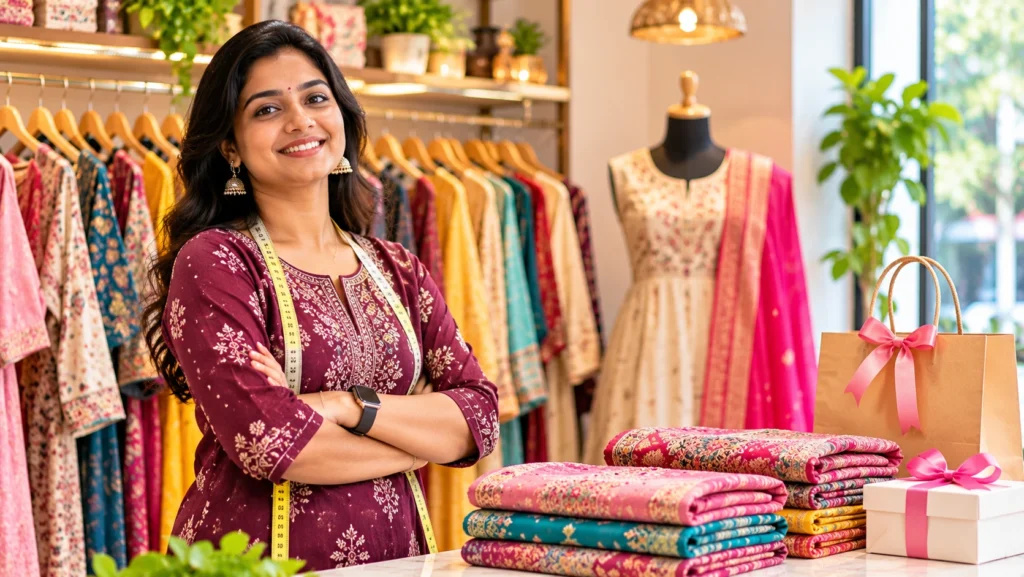
Turning a small Boutique into a recognised brand starts with building a unique identity, offering memorable products, creating a consistent shopping experience, and earning customer trust.
Many boutique owners sell attractive clothing, accessories and customised fashion products but struggle to make their businesses stand out. Customers may visit the store once without remembering its name or what makes it different.
I recommend focusing on the qualities that make your boutique worth remembering rather than relying only on discounts or expensive promotions. Creating a clear online presence through platforms such as TokoGen is one possible way to help local customers discover your business information and available products.
In this guide, I explain practical ways to develop a boutique brand, attract the right customers and build long-term recognition.
Why Does Branding Matter for a Small Boutique?
Branding is how customers identify, remember and describe your boutique.
It goes beyond a shop name or attractive logo. A brand also includes product quality, customer service, store appearance, packaging and the overall shopping experience.
When customers associate a boutique with a particular style or dependable service, they have a reason to remember it.
What Makes a Boutique Brand Recognisable?
I suggest concentrating on four important elements:
- Distinct identity: A clear name, visual style and fashion speciality.
- Product consistency: Clothing and accessories that match customer expectations.
- Customer experience: Helpful service and transparent communication.
- Brand visibility: Consistent information across physical and digital channels.
For example, a boutique known for elegant everyday ethnic wear can build a clearer identity than a shop frequently changing its speciality without direction.
Quick Takeaway: Branding helps customers recognise what makes a boutique different. Consistent products, visuals and service create a more memorable business than a logo alone.
How Can I Create a Unique Identity for My Boutique?
A strong boutique identity begins with understanding who you want to serve.
Before choosing colours or creating a logo, I recommend identifying your main customers and the fashion products they prefer.
1. Choose Your Boutique Speciality
A small boutique might focus on:
- Traditional sarees and ethnic wear.
- Designer kurtis and salwar suits.
- Women’s casual and office clothing.
- Custom stitching and alterations.
- Occasion wear and bridal outfits.
- Handmade fashion accessories.
Selecting a speciality does not mean refusing other products. It gives the business a clear starting identity.
2. Create a Memorable Boutique Name
Choose a name that is easy to pronounce, spell and remember.
Before using it, search for similar businesses, relevant domain names and existing trademarks.
3. Develop a Consistent Visual Identity
Use a simple combination of colours, fonts, photography styles and packaging designs.
For example, a boutique offering minimal contemporary clothing might select neutral colours and clean product photography.
Shopify’s current brand identity guidance also emphasises defining the business’s purpose, audience and personality before creating its visual elements.
Shopify
Quick Takeaway: A recognisable boutique identity comes from a defined audience, distinctive speciality and consistent presentation. Design choices should support the brand’s personality rather than follow every fashion trend.
How Can I Make My Boutique Stand Out From Competitors?
A small boutique does not need to stock every popular fashion product to attract attention.
I recommend creating a carefully selected collection that reflects the boutique’s identity.
Build a Signature Collection
Offer a few products that customers can associate with your business.
For example, a boutique could specialise in hand-embroidered kurtis, distinctive cotton sarees or customised festive outfits.
Focus on Quality and Fit
Customers often consider fabric quality, stitching, finishing, comfort and sizing before purchasing clothes.
Explain fabric details honestly and provide accurate measurements.
Present Products Professionally
Use clear photographs with suitable lighting and realistic colours.
Show multiple product angles, relevant styling combinations and garment details.
Avoid using photographs that misrepresent the delivered product.
Quick Takeaway: Boutique differentiation works best when customers can identify a clear speciality and dependable product quality. Carefully selected collections are often more useful than an unfocused inventory.
How Can I Build a Memorable Boutique Shopping Experience?
Customers remember how a business makes them feel during and after a purchase.
A welcoming environment and helpful communication can strengthen the identity of a small fashion store.
Improve the Store’s Appearance
Keep clothing displays organised by product type, size or collection.
Make prices easy to understand and ensure customers can examine garments comfortably.
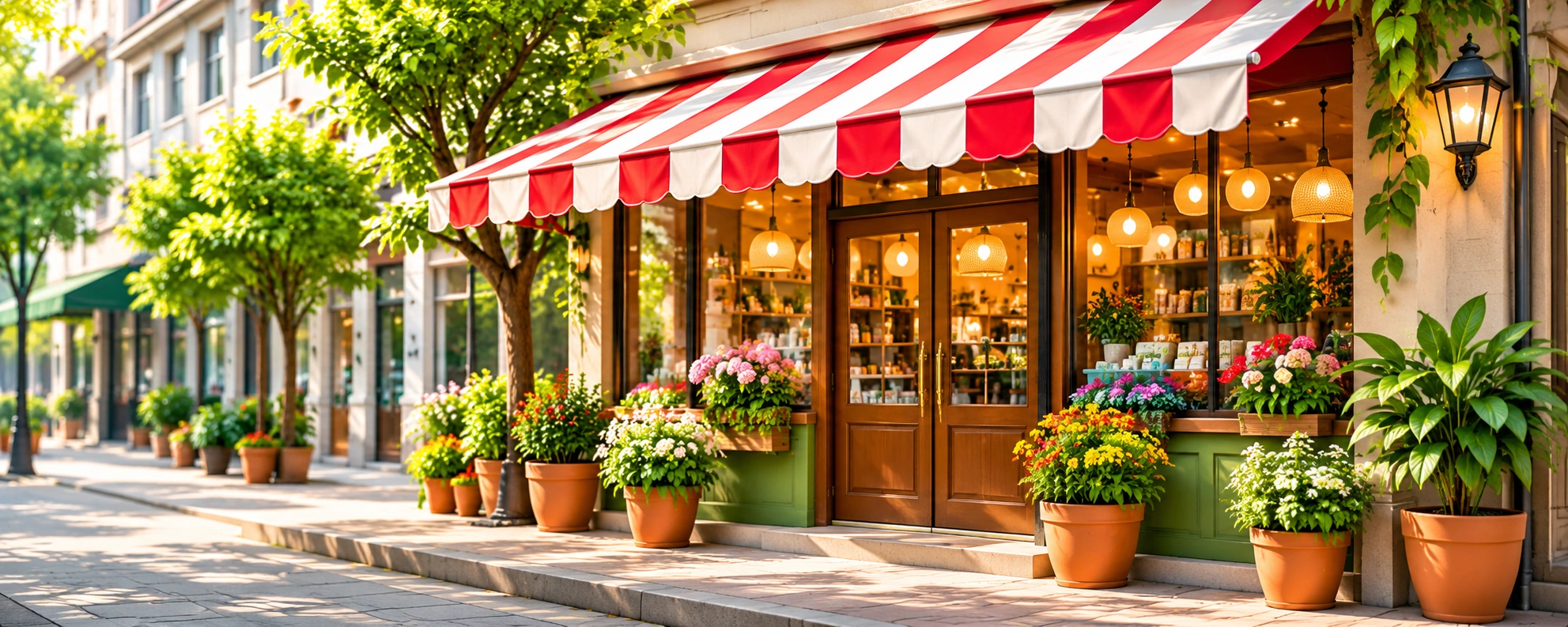
A small boutique can appear professional through good lighting, clean displays and clear signage without expensive interiors.
Make Packaging Part of Your Brand
Simple packaging elements might include a branded sticker, garment-care card or thank-you note.
I suggest choosing materials that are practical, affordable and appropriate for the product.
Offer Personalised Service
Help customers select suitable sizes, understand fabric care and explore available alterations.
Respect their preferences rather than pressuring them into purchases.
Keep Policies Transparent
Explain returns, exchanges, alterations and delivery conditions before completing an order.
Quick Takeaway: A memorable boutique experience combines thoughtful presentation, helpful service and transparent policies. Consistent small details can make a brand easier to recognise and trust.
How Can I Promote My Boutique Online Without a Big Budget?
Online promotion helps customers discover a boutique before visiting its physical location.
I recommend starting with accurate business information and genuine product content rather than immediately paying for advertisements.
Create a Local Business Profile
A useful boutique profile should contain:
- Boutique name and fashion speciality.
- Store address or service area.
- Available clothing categories.
- Product photographs.
- Contact number and business hours.
- Website or social media links, where available.
Platforms such as TokoGen’s business features may provide ways to present business information and offerings. Confirm the current features and listing availability before publishing.
Use Instagram for Fashion Discovery
Share new arrivals, outfit combinations, fabric details and behind-the-scenes preparation.
I recommend using a consistent visual style so the boutique becomes recognisable across posts.
Make WhatsApp Enquiries Convenient
WhatsApp Business can support product catalogues, customer questions and order updates.
Include accurate sizes, prices, availability and fulfilment conditions.
Maintain Google Business Profile
An eligible boutique with a physical customer-facing location can maintain accurate information on Google Search and Maps.
Keep the address, opening hours and photographs updated.
Quick Takeaway: Affordable online promotion begins with accurate business profiles, useful fashion content and simple communication. Consistency across platforms helps customers identify the same boutique wherever they encounter it.
What Marketing Strategies Can Make My Boutique More Recognisable?
Boutique marketing should introduce the brand to customers who are genuinely interested in its products.
Collaborate With Relevant Local Creators
Consider working with fashion creators, stylists or photographers whose audiences match your boutique’s speciality.
I suggest beginning with small collaborations and clear expectations rather than paying for large promotional campaigns.
Sponsored partnerships should be disclosed appropriately.
Build Local Business Relationships
Tailoring shops, beauty salons, makeup artists and fashion accessory stores may provide suitable collaboration opportunities.
For example, a boutique offering occasion wear could collaborate with a local stylist for a fashion presentation.
Tell Your Brand Story
Share why the boutique was created, what inspires its collections and how products are selected.
Keep the story genuine. Avoid inventing claims about craftsmanship, sourcing or sustainability.
Introduce Seasonal Collections
Plan relevant products around weddings, festivals and changing customer preferences.
Communicate launch dates, product availability and pricing clearly.
Quick Takeaway: Local collaborations, authentic storytelling and well-planned collections can strengthen boutique recognition. Promotional activities should connect naturally with the brand’s intended customers.
How Can I Turn Boutique Customers Into Loyal Brand Supporters?
A successful boutique brand should give customers reasons to return.
I recommend investing in customer relationships alongside acquiring new buyers.
Remember Customer Preferences
With permission, maintain useful details such as preferred sizes, colours or styles.
Use this information to provide relevant recommendations without sending unwanted messages.
Offer Reliable After-Sales Service
Handle alteration requests, product questions and genuine complaints professionally.
Clear communication can improve the experience even when a problem occurs.
Encourage Customer Reviews
Ask customers for honest feedback and permission before sharing photographs or testimonials.
Reviews should reflect actual experiences rather than scripted promotional claims.
Introduce Meaningful Loyalty Benefits
Benefits might include early access to collections, alteration support or occasional returning-customer offers.
Avoid complex reward schemes that are difficult to manage.
Quick Takeaway: Customer loyalty grows through reliable products, personal attention and responsive service. Repeat customers can help strengthen recognition through genuine recommendations.
How Can I Protect and Measure My Boutique Brand?
As a boutique becomes more recognisable, its name and visual identity may become valuable business assets.
Check Trademark Availability
Before investing heavily in signage and packaging, search for similar trademarks.
In India, the official Intellectual Property India portal provides trademark search and filing information. Trademark registration may help protect a qualifying brand name or logo within the relevant goods or services categories. Filing does not guarantee registration.
Government of India+1
Track Brand Recognition
I recommend monitoring:
- Customers who ask for the boutique by name.
- Repeat purchases.
- Referrals from existing customers.
- Product enquiries from social media.
- Customer feedback about brand recognition.
These indicators can reveal whether customers are beginning to remember the boutique rather than only individual products.
Quick Takeaway: Protecting a distinctive boutique identity and measuring customer recognition can support long-term growth. Trademark research and customer feedback are useful as the business develops.
What Steps Can I Take to Build My Boutique Brand in 30 Days?
A simple four-week plan can help owners introduce branding improvements without overwhelming daily operations.
| Week | Main focus | Practical actions |
| Week 1 | Brand identity | Define audience, speciality, name and visual style |
| Week 2 | Product presentation | Improve displays, photographs, descriptions and packaging |
| Week 3 | Online visibility | Update profiles, publish product content and organise enquiries |
| Week 4 | Customer relationships | Request reviews, test collaborations and measure results |
I suggest setting realistic goals for the first month, such as completing the business profile, preparing a consistent product catalogue and collecting genuine customer feedback.
Avoid changing every part of the boutique simultaneously.
Quick Takeaway: A 30-day branding plan helps boutique owners prioritise identity, presentation, visibility and customer relationships. Progress should be measured through real customer responses rather than appearance alone.
Frequently asked questions
How can I turn my small boutique into a successful brand?
Start by defining your target customers, choosing a fashion speciality and creating a consistent identity. I recommend combining quality products with clear online information and dependable customer service. Over time, repeat purchases and customer recommendations can help make the boutique more recognisable.
How can I promote my boutique without spending much money?
Use organic Instagram content, eligible free business profiles, customer referrals and relevant local collaborations. I suggest sharing clear product photographs and useful styling information. Start with activities you can manage consistently before paying for advertisements.
What makes a boutique different from a regular clothing store?
A boutique typically emphasises a carefully selected collection, particular fashion style or more personalised customer experience. I recommend developing a clear speciality rather than relying entirely on store size or price. The distinction should be visible in products, presentation and service.
Is Instagram enough to build a boutique brand?
Instagram can support fashion discovery, but it should not be the only point of customer contact. I suggest maintaining accurate business information, accessible contact details and a reliable ordering process. A consistent identity across different channels can strengthen recognition.
How long does it take to build a recognised boutique brand?
There is no fixed timeline. Brand recognition depends on customer demand, product quality, marketing consistency and the shopping experience. I recommend setting monthly milestones and reviewing customer enquiries, repeat purchases and referrals rather than expecting immediate results.