








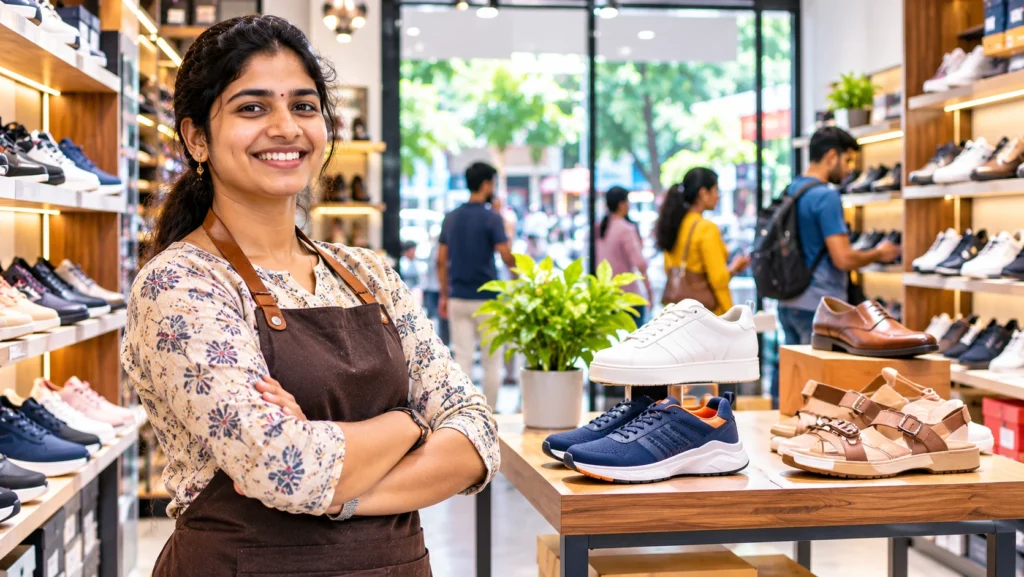
Footwear shop owners may attract more walk-in consumers in 2027 by making their stores more visible, showcasing popular footwear, promoting local items, and crafting a shopping experience that motivates people to come in-store.
Many shoe, sandal and slipper companies have fashionable footwear but are finding it difficult to get enough clients through their doors. With more choices available to consumers from the bigger retail chains and online shopping platforms, it is crucial for the smaller retailers to distinguish out.
But local shoe stores have a huge edge. Customers can test the product, evaluate comfort, compare sizes and get personal guidance before buying.
I propose to add to these advantages the digital visibility. A great first step is building a digital presence for your business. Include your store location, the types of footwear you sell, photos and your contact information.
In this tutorial I’ll reveal practical techniques to get more people into your store, more visits to your store and long-term success in the footwear company.
Why Do Walk-In Customers Matter for Footwear Shops?
Walk-in customers are important because footwear shopping often involves checking the actual fit, comfort and appearance of a product.
Customers may prefer trying different sizes, examining materials and comparing styles before choosing shoes or sandals.
What Makes In-Store Footwear Shopping Valuable?
Physical stores allow customers to:
- Try shoes before purchasing.
- Compare different sizes and designs.
- Check materials and finishing.
- Receive assistance with fitting.
- Take available products home immediately.
I suggest treating the store visit as an experience that offers value beyond viewing product photographs online.
For example, a customer looking for comfortable office footwear may appreciate assistance in comparing several suitable options.
Quick Takeaway: Physical footwear stores can differentiate themselves through fitting assistance, product comparison and immediate availability. These benefits should be communicated clearly to attract shoppers.
How Can Footwear Shop Owners Attract Nearby Customers?
Attracting local customers begins with understanding the surrounding neighbourhood.
A store near schools may serve different footwear needs from one in an office district or residential market.
Identify Your Most Relevant Customer Groups
| Customer group | Potential footwear requirements |
| School students | School shoes and everyday sandals |
| Office employees | Formal shoes and comfortable work footwear |
| College students | Sneakers and casual footwear |
| Families | Men’s, women’s and children’s footwear |
| Fitness enthusiasts | Appropriate sports and walking shoes |
| Wedding shoppers | Occasion and traditional footwear |
I recommend reviewing customer enquiries and actual sales to determine which categories matter most.
Observe Local Shopping Patterns
Pay attention to busy shopping periods, frequently requested sizes and products customers cannot find nearby.
This helps identify opportunities without conducting expensive market research.
Quick Takeaway: Footwear retailers can attract more relevant visitors by matching their product selection to local customer needs. Understanding nearby shoppers is more effective than stocking every popular trend.
How Can Google Maps Help Customers Find a Footwear Shop?
Customers may use Google Search or Maps to find a nearby shoe shop before leaving home.
An accurate Google Business Profile can help eligible stores present their location, working hours, photographs and contact information.
Google explains that local results depend primarily on relevance, distance and prominence. Complete and accurate business information can improve relevance, but no store is guaranteed a particular ranking.
Google Business Profile Help
What Should I Add to My Google Business Profile?
I recommend including:
- Correct shop name and address.
- Appropriate footwear store category.
- Accurate business hours.
- Genuine storefront photographs.
- Available footwear categories.
- Phone number and directions.
- Product information where supported.
Use Local Keywords Naturally
A footwear store operating in Anna Nagar, Chennai, for example, can describe its actual location and products on relevant business pages.
Avoid repeating location keywords unnaturally or claiming to operate in places where the store does not exist.
Quick Takeaway: Google Business Profile can help nearby customers find and evaluate an eligible footwear shop. Accurate business information, appropriate categories and genuine photographs support local discovery.
What Store Display Ideas Can Increase Walk-In Customers?
An attractive storefront can encourage passersby to stop and look at available footwear.
Retail visual-merchandising guidance recommends using clear window displays, accessible store layouts and regularly refreshed product presentations.
Shopify
Create an Eye-Catching Entrance
Display a small selection of popular or newly arrived products near the entrance.
Avoid overcrowding the storefront with too many unrelated designs.
Organise Footwear by Category
Consider separate sections for men’s shoes, women’s sandals, children’s footwear, sports shoes and seasonal products.
Clear category signs can make browsing easier.
Improve Lighting and Cleanliness
Good lighting helps customers examine product colours, materials and finishes.
Provide clean seating and suitable space for trying footwear.
Display Prices Clearly
Customers should be able to understand prices and available offers without asking repeatedly.
Quick Takeaway: Storefront design helps convert passing attention into visits. Organised displays, suitable lighting, visible prices and comfortable fitting areas can improve the in-store experience.
How Can Social Media Bring More Customers Into the Store?
Social media can introduce your footwear collection to people who have not visited the store.
I recommend using it to encourage relevant local visits rather than focusing only on followers.
Share Genuine Product Photographs
Photograph available shoes, sandals and slippers with clear lighting.
Show colours, designs, useful details and available sizes where practical.
Publish New Arrival Updates
Share new stock, seasonal collections and relevant product availability.
For example, a footwear shop could publish a short video showing newly arrived casual shoes and invite customers to visit for fitting.
Include Your Store Location
Add accurate location information, working hours and a contact method to your business profile.
Use WhatsApp for Product Enquiries
Customers can enquire about sizes, colours and availability before visiting.
I recommend checking stock before confirming that a particular product is available.
Quick Takeaway: Social media can encourage store visits when posts show real products and provide accurate shop information. Customers should know where to visit and whether the footwear they want is available.
What Products Should Footwear Shops Stock in 2027?
Product selection should reflect customer demand rather than predictions alone.
Industry research published in 2026 identifies growth in categories such as sneakers, athletic footwear and value-oriented retail. However, national trends may not match the preferences of every neighbourhood.
Indian Retailer
Balance Everyday and Seasonal Footwear
Consider stocking categories such as:
- Casual slippers and sandals.
- Formal shoes.
- School footwear.
- Sneakers and suitable sports shoes.
- Occasion footwear.
- Seasonal footwear based on local needs.
Maintain Popular Sizes
One of the most frustrating experiences for customers is finding the right design but not the required size.
I suggest recording frequently requested sizes and unavailable items.
Review Slow-Moving Stock
Track products that remain unsold and use the findings to make better purchasing decisions.
Quick Takeaway: Footwear shops should stock products according to local demand, customer preferences and size availability. Sales records are more reliable than assumptions about future trends.
How Can Shop Owners Turn More Walk-In Visitors Into Buyers?
Getting customers through the door is only the beginning.
A positive shopping experience can make it easier for customers to choose suitable footwear.
Offer Helpful Fitting Assistance
Ask what the footwear will be used for and help customers compare appropriate sizes and styles.
Avoid claiming that a particular shoe will treat a medical condition or provide guaranteed health benefits.
Make Products Easy to Try
Maintain a clean fitting area, appropriate seating and accessible size options.
Explain Product Details Honestly
Customers may want to know about materials, durability, care instructions and applicable warranties.
Explain these details accurately.
Make Payment Convenient
Offer suitable payment methods, including cash and UPI where available.
Clearly explain exchange and return conditions before purchase.
Quick Takeaway: Helpful assistance, comfortable fitting areas and transparent policies can improve conversion from walk-ins to sales. Customers should feel confident about their purchase rather than pressured.
What Low-Cost Marketing Ideas Can Improve Footwear Shop Footfall?
Paid ads aren’t the only way for small shoe stores to build a local following.
Obtain Genuine Customer Referrals
Happy clients may tell their friends, family and colleagues about the shop.
Promote Seasonal Collections
Make appropriate displays for school re-opening, festival shopping, wedding seasons and other legitimate occasions of buying.
Team Up with Local Businesses
Seek out acceptable collaborations with clothes stores, accessories shops and other complementing retailers.
Use Simple Local Promotions
Distribute valid offers via authorized community channels or tiny promotional materials.
Don’t offer discounts that make the sales unprofitable.
Quick Note: Referrals, seasonal displays and appropriate local collaborations can lead neighboring shoppers to footwear retailers. “Promotions should drive profitable customer visits, not footfall at all costs.
How Can Footwear Shop Owners Build Repeat Customers?
Repeat consumers can help support sustained store revenue and genuine recommendations.
I suggest you check on the consistency of service and product quality.
Remember Useful Options
Log preferences, such as popular sizes or product categories, with permission.
Keep Exchange Policies Clear
Clearly explain conditions, including any time limits, exclusions of products and proof of purchase necessary. The store policies have to conform with the consumer law that is applicable.
Share Relevant Updates
Notify customers about relevant arrivals or seasonal products but do not send unsolicited messages.
Please be honest .
Customer reviews may mention difficulties with sizing, cost, stock availability or the experience in store.
Quick Take: Repeat visits depend on trust, relevant products and reliable service. Retailers can listen to their customers to improve the range of products they offer and the shopping experience.
How Can I Measure Footwear Store Footfall and Sales?
Foot traffic should be measured alongside sales and profit.
I recommend recording daily store visitors, purchases and product enquiries.
Example Footfall Calculation
| Metric | Illustrative result |
| Walk-in visitors | 100 |
| Customers who purchase | 25 |
| Conversion rate | 25% |
| Average sale value | ₹800 |
| Total sales | ₹20,000 |
These figures are hypothetical and do not represent typical footwear shop performance.
A shop with 100 visitors and 25 purchases has a 25% visitor-to-buyer conversion rate.
Recording requested sizes, missing stock and reasons for unsuccessful visits can reveal additional opportunities.
Quick Takeaway: Visitor counts alone do not show business success. Footwear owners should monitor sales conversions, average purchase value, product availability and profitability.
How Can Footwear Shop Owners Increase Walk-In Customers in 30 Days?
A four-week plan can help owners improve visibility and in-store presentation without major spending.
| Week | Focus | Recommended action |
| Week 1 | Business visibility | Update Google Maps information, shop photographs and contact details |
| Week 2 | Store presentation | Improve entrance displays, lighting and footwear arrangement |
| Week 3 | Local promotion | Share new arrivals, contact suitable customers and encourage referrals |
| Week 4 | Performance review | Track footfall, purchases, missing sizes and customer feedback |
I recommend introducing improvements gradually and comparing results with previous weeks.
Avoid changing too many variables simultaneously, as this makes it harder to identify which actions worked.
Quick Takeaway: A 30-day plan helps shop owners improve online discovery, product presentation and customer service. Tracking walk-in conversions makes marketing decisions more practical.
Frequently asked questions
How can shoe store owners gain more walk-in customers?
Maintain an appealing entrance, provide reliable web information, increase business visibility and offer products that are right for nearby clients. It’s a mix that I recommend: Google Business Profile, real social media updates and local referrals. Track which activities lead to in-store visits.
How do I advertize my shoe store without spending a lot of money?
Begin with free company listings, organic social media posts and client referrals. I propose using real products, posting pricing explicitly and keeping accurate store directions. Local alliances might also help you reach potential clients at a reasonable price.
What might a footwear shop gain from Google Maps?
An approved Google Business Profile helps customers identify the store’s location, hours, contact details and photos. I would recommend to do verification and keep the list updated often. We can not guaranty search rankings, as results depend on various variables.
What footwear goods will have the highest client demand in 2027?
The categories can be casual sandals, school shoes, sneakers, formal shoes, event footwear etc. The optimal relies on local demand. Instead of buying things according to national trends, I suggest looking at sales records and frequently requested sizes.
How can I sell more shoes without discounting deeply?
Improve how you display your products, help customers with sizing, check stock levels and provide transparent pricing. I would propose focusing on relevant products and reliable service. Consumers may like the opportunity to try on shoes and get acceptable suggestions before buying.