

















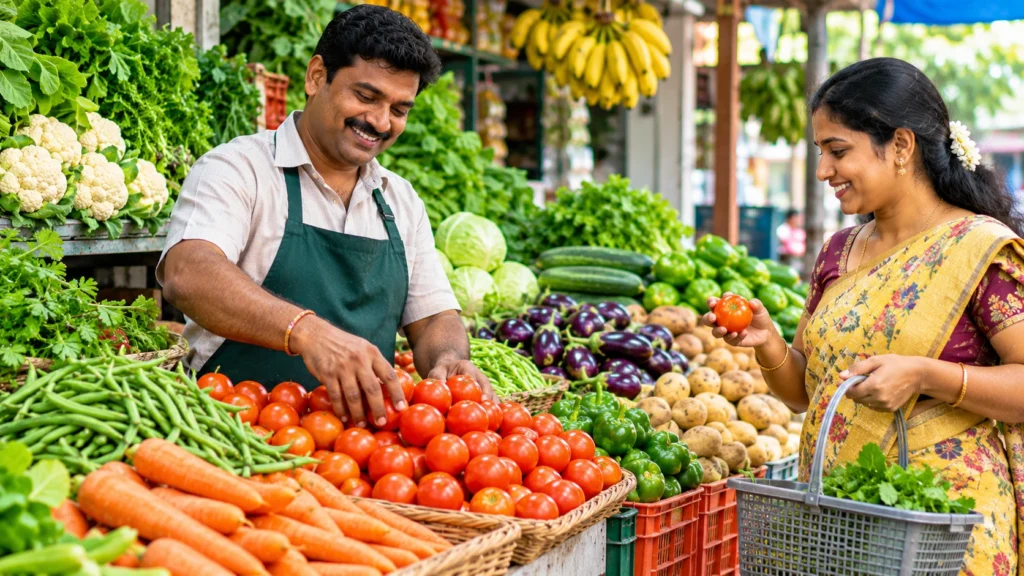
Vegetable Shop Owners can reduce daily waste and boost sales by purchasing based on demand, keeping stock fresh, rotating stock, providing timely discounts and making their shops simpler to discover for local clients.
Running a vegetable shop is a daily decision-making process. Owners have to buy enough supply to satisfy clients, but not so much that unsold vegetables rot before the next business day.
Tomatoes might turn mushy; leafy greens can wilt; demand can shift suddenly, leaving boxes of fruit unsold. These losses impact earnings directly.
I would propose that the management of waste and sales be treated as one problem, not distinct challenges. Better buying routines, tidy displays and uncomplicated sales records can make daily operations simpler to handle.
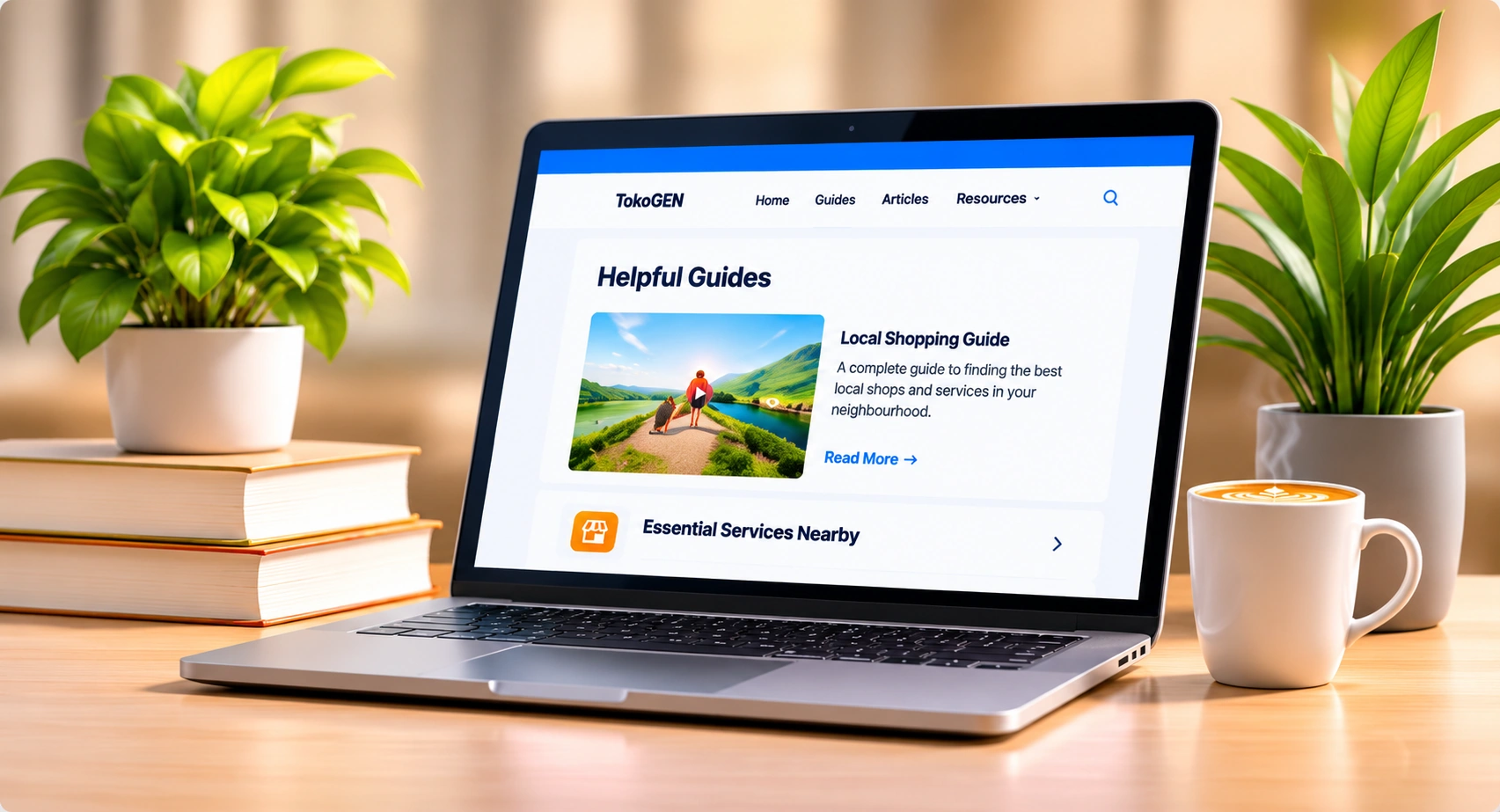
Being visible online also helps a shop to be found by local customers. TokoGen provides a community exploration experience with grocery shops and daily needs.
In this book I set forth real techniques to reduce vegetable waste, enhance valuable sales opportunities and strengthen customer connections.
Why Do Vegetable Shops Lose Money Through Daily Waste?
Vegetable shops handle products that can lose quality quickly because of heat, moisture loss, damage or unsuitable storage.
Buying too much stock is another common problem. A retailer might purchase extra tomatoes expecting high demand, only to find that customers prefer other items that day.
What Causes Vegetable Waste?
- Purchasing more than customers are likely to buy.
- Rough handling during unloading and display.
- Excessive heat and direct sunlight.
- Inadequate ventilation or unsuitable storage.
- Mixing damaged produce with healthy stock.
- Not selling older stock before newer arrivals.
- Delaying price adjustments until produce is unsaleable.
The FAO identifies handling damage, temperature management and water loss as important factors affecting fresh produce quality.
FAOHome+1
I recommend identifying which vegetables account for the largest losses before changing the entire shop.
Quick Takeaway: Daily vegetable waste often comes from excess purchasing, poor handling and unsuitable storage. Identifying the biggest causes allows shop owners to make targeted improvements.
How Can Vegetable Shop Owners Plan Their Daily Purchases?
Better purchasing decisions can reduce the volume of vegetables left unsold.
I recommend keeping a simple record of how much produce enters the shop and how much customers purchase.
Track Daily Sales by Vegetable
| Vegetable | Purchased | Sold | Unsold |
| Tomatoes | 30 kg | 26 kg | 4 kg |
| Potatoes | 40 kg | 37 kg | 3 kg |
| Spinach | 15 bunches | 11 bunches | 4 bunches |
| Brinjal | 20 kg | 18 kg | 2 kg |
Illustrative figures only; actual demand varies by shop and day.
Review sales patterns across several days rather than making purchasing decisions from one unusually busy or quiet day.
Understand Demand Changes
Demand can differ on weekends, holidays, rainy days and local festival periods.
I suggest adjusting purchases gradually as patterns emerge, especially for vegetables that spoil quickly.
Buy in Suitable Quantities
Where suppliers permit, smaller and more frequent deliveries may reduce prolonged storage.
Quick Takeaway: Sales records help vegetable shop owners estimate future demand more accurately. Start with fast-selling and highly perishable items, then refine purchasing quantities using actual observations.
How Can You Keep Vegetables Fresh for Longer?
Freshness is key for both consumer happiness and waste control.
There is not one temperature or handling strategy for all products. varied veggies need varied storage conditions.
Protect Produce Against Heat
Shade and ventilation should to be used to minimise exposure to direct sunlight.
Vegetables: Handle with Care
Don’t dump produce into crates or pile heavy stuff on top of delicate vegetables.
Use Proper Storage
Leafy greens, tomatoes, potatoes and onions may need various handling and environmental conditions.
Don’t keep all your vegetables at the same refrigerator temperature. Some produce is vulnerable to severe cold temperatures.
Clean Up Shop
Keep all surfaces that come into contact with food, including shelves, crates and weighing equipment, clean.
Cleanliness, handling, storage and sanitary retail practices are covered by FSSAI guidelines for clean and fresh fruit and vegetable markets.
FSSAI
Quick Take: Proper handling and storage in the right shade and unique to the product helps to maintain freshness. Improvised techniques of preservation should be avoided. Clean environments and adequate temperatures should be paramount.
How Does Stock Rotation Help Reduce Vegetable Waste?
Stock rotation involves checking what produce you have, and determining which to sell first.
My advice would be to use a first in, first out system whenever possible with real quality checks.
Separated old and new deliveries
Label crates or keep a log of receiving date.
Regularly check freshness
Check produce throughout opening, lunchtime and closing routines.
Prioritise proper old stock
Sell older produce first, when it is safe and acceptable quality.
Immediately Throw Out Bad Stuff
Do not mix salable stock with bad veggies.
Studies on preventing food waste have shown that stock rotation and careful inventory records are beneficial in retail settings.
Pilot Study+1 Quick Takeaway: Switching up produce means you’re less likely to overlook older items. Regular quality checks are important since freshness and safety matter more than just arrival order.
How Can Smart Pricing Reduce Unsold Vegetables?
Timely pricing decisions can help stores recoup revenue from fruit that is still safe but may not remain salable for long.
I would recommend looking at the discounts before the quality deteriorates too much.
Run Time-Sensitive Deals
A store can have a small discount on safe vegetables that must be sold immediately.
Make Them Practical Vegetable Bundles
For example, group ingredients that are typically bought together for a meal.
Clearly define different quality grades
If a veggie is in good condition but has harmless visual blemishes, describe its state appropriately.
Do not offer spoilt or unsafe products as discounted stock.
Protect Your Profit Margins
Compare the reduced selling price with your cost of acquisition and other running expenses.
Research on food waste in retail show that price reductions when appropriate can help to sell excess stock but the financial advantage is dependent on inventory and customer demand.
MDPI
Quick Take: Early clear reductions can help move suitable surplus produce. “Pricing should be based on profitability and food safety, not on getting customers to buy rotting produce.
How Can Attractive Displays Increase Daily Vegetable Sales?
A well-arranged vegetable display adds to the comfort of shopping.
Customers should be able to recognise veggies, evaluate quality and grasp costs without any undue effort.
Sort vegetables by type
Put leafy greens, root vegetables and other food in the right locations.
Make prices easy to find
Clearly mark veggies sold by weight or unit.
Leave Room For It
Squeezing too much can harm the tender produce and make selecting more difficult.
Thoughtful Replenishment
Make the exhibit attractive without subjecting the day’s full stock to unfavourable conditions.
I would rather have a clean and practical presentation than decorate the shop at the expense of cleanliness or storage space.
Quick Bite: Clear prices, ordered food and tidy displays make for a better shopping experience. By refilling thoughtfully you may maintain an appealing display and reduce trash.
How Can Vegetable Shops Attract More Nearby Buyers?
A vegetable shop does well when people in the area know what is in store and when it is open.
I think a combination of good product quality and accurate local company information is the way to succeed.
Boost local discovery
Eligible greengrocers can claim a Google Business Profile with their real-world address, relevant category, hours and contact details.
Daily Share Helpful Updates
Customers may be interested in knowing which vegetables have arrived, particularly seasonal or popular ones.
Develop Customer Relationships
Good service, accurate weighing and uniform quality will make the customer come back.
Discover TokoGen
TokoGen’s public website showcases local stores, grocery discoveries and neighbourhood business profiles. Vegetable shop owners can verify its available business listing alternatives; checking out current feature availability.
Local Connect
Quick Take Away: Accurate information about local businesses and reliable customer service can help boost repeat visits and enquires. TokoGen can be seen as an additional discovery channel, not as a guarantyd source of revenue.
How Can WhatsApp and TokoGen Support Vegetable Shop Marketing?
Digital communication can be helpful for small retailers, if it saves customers’ time and shows what is really in stock.
Use WhatsApp for Business
Provide customers with information about availability of produce, store hours and collection, with their permission.
Keep Product Information Correct
Advertize just vegetables actually on hand; clarify when pricing may vary.
Easy Pick up
Where your business offers collection, confirm products, quantities, rates and times for collection clearly.
Local Visibility with TokoGen
TokoGen offers a business discovery experience including grocery and daily essentials categories.
The public home page also makes clear that some shopping procedures are previews, not transactions that are performed on that website. “Before you make promises of online ordering or delivery, I’d check to see what business tools you have in place.
Fast Fact: WhatsApp and relevant discovery platforms can increase customer communication. If you don’t have stock accuracy and clear agreements for collection, you will have unsatisfied customers.”
What Should You Do With Unsold Vegetables?
Not every unsold vegetable is waste, and not every imperfect vegetable is suitable for sale.
I recommend separating stock according to its actual condition.
Saleable Produce
Vegetables that remain safe and acceptable may be sold normally or offered at clearly stated discounted prices.
Safe Surplus
Where suitable, consider lawful donation arrangements with organisations able to collect, handle and distribute produce safely.
Unsuitable Produce
Remove rotten, contaminated or otherwise unsafe items from food sales and donation channels.
Record the Loss
Note the vegetable type, approximate quantity and reason it became unsaleable.
This record helps identify improvements for the next purchasing cycle.
Quick Takeaway: Unsold vegetables should be assessed for safety and quality before resale or donation. Recording unavoidable waste helps owners reduce repeated losses.
How Can You Calculate Daily Vegetable Sales and Wastage?
Simple measurements help shop owners understand whether a change is working.
Vegetable Wastage Rate
WastageRate=UnsaleableQuantityQuantityPurchased100
If a shop purchases 100 kg of vegetables and 8 kg becomes unsaleable, its wastage rate is 8%.
Daily Gross Profit
GrossProfit=SalesRevenue-CostofProduceSold
For example, suppose a shop records:
| Daily metric | Illustrative value |
| Vegetable purchases | ₹5,000 |
| Sales revenue | ₹6,000 |
| Value of unsold usable inventory at cost | ₹500 |
| Cost of produce sold, including wastage | ₹4,500 |
| Gross profit | ₹1,500 |
This example assumes no other inventory movements; ₹1,500 is before rent, wages, transport and other operating expenses.
I recommend measuring usable closing inventory separately from stock that has actually been discarded.
Quick Takeaway: Track waste quantity, sales revenue, cost of goods sold and operating expenses. Correct records help vegetable shop owners understand actual profitability rather than relying only on total cash sales.
What Mistakes Should Vegetable Shop Owners Avoid?
Common mistakes include:
- Buying excess quantities without reviewing demand.
- Exposing delicate vegetables to prolonged heat.
- Mixing damaged produce with healthy stock.
- Failing to rotate older stock.
- Discounting vegetables only after they are unsafe.
- Displaying incorrect or unclear prices.
- Neglecting cleaning and food safety.
- Advertising unavailable vegetables online.
- Ignoring daily sales and wastage records.
I recommend correcting one or two recurring problems at a time and measuring the results.
Quick Takeaway: Waste reduction requires consistent purchasing, storage and inspection habits. Effective improvements should protect food safety while helping the business operate profitably.
How Can Vegetable Shop Owners Improve Sales in 30 Days?
A four-week action plan can help owners build better habits without major equipment investment.
| Week | Focus | Recommended action |
| Week 1 | Measure waste | Record purchased, sold and discarded quantities |
| Week 2 | Improve freshness | Review shade, crate handling, storage and stock rotation |
| Week 3 | Increase sales | Test clear price displays, safe surplus discounts and customer updates |
| Week 4 | Review results | Compare waste rates, sales revenue, margins and customer feedback |
Compare results using similar operating days and consider seasonal price changes before drawing conclusions.
Quick Takeaway: A 30-day improvement plan combines stock records, freshness management and customer communication. Assess both waste reduction and profit to determine which actions deserve continued attention.
Frequently asked questions
How can vegetable shop operators decrease their waste on a daily basis?
Start counting how much merchandise is bought, sold and thrown away. Better storage, gentle handling of food, checking for freshness and rotating stock accordingly. If you can, buy fewer amounts of very perishable vegetables. Don't try to get your money back by selling harmful things; throw them out right away.
How can I enhance the sales of my vegetable shop on a day to day basis?
Focus on fresh products, accurate pricing, neat displays and reliable customer service. I would propose to look at the vegetables that are most typically ordered by consumers and keep a sufficient stock. Nearby shoppers can find your store with local company profiles and pertinent updates on your availability.
What vegetables should I keep in lesser amounts?
Vegetables that spoil rapidly or sell unpredictably may be better purchased in smaller, more frequent quantities. I think you should use your own sales data to find these things, not a global list. Purchases will be made according to frequency of delivery from suppliers, weather and availability of storage.
Can discounts prevent waste of vegetables?
Yes, salable vegetables can be moved before quality falls, with the right discounts; they are safe. I propose that we take reductions with sufficient time for customers to consume the produce. Do not sell decaying or infected veggies, however low the price.
Do proprietors of vegetable shop need inventory software?
Not always. For a tiny shop, a notebook or basic spreadsheet can do. I advise always reliably tracking purchases, sales, closing stock and discarding produce. “Digital inventory tools can help as product variety, staff numbers or transaction volumes increase.